Indexing conveyors

Indexing conveyors for controlled stop-and-start packaging operations.

Move products to defined positions, hold them for a machine cycle and release them without losing pitch, orientation or line control.

UK supportCycle planningControls integrationProduct trials
Direct answer

What does an indexing conveyor do?

An indexing conveyor moves a product through a defined distance, stops it at a controlled station and then advances it after the packaging operation is complete. It is useful when filling, applying a component, coding, inspection, assembly or packing needs a repeatable dwell rather than continuous movement.

The conveyor is only one part of the sequence. Product pitch, acceleration, stopping method, station confirmation, upstream queue control and downstream release must be designed as one operating cycle. The actual pack should be tested in normal running, stop, fault and restart states before the design is released.

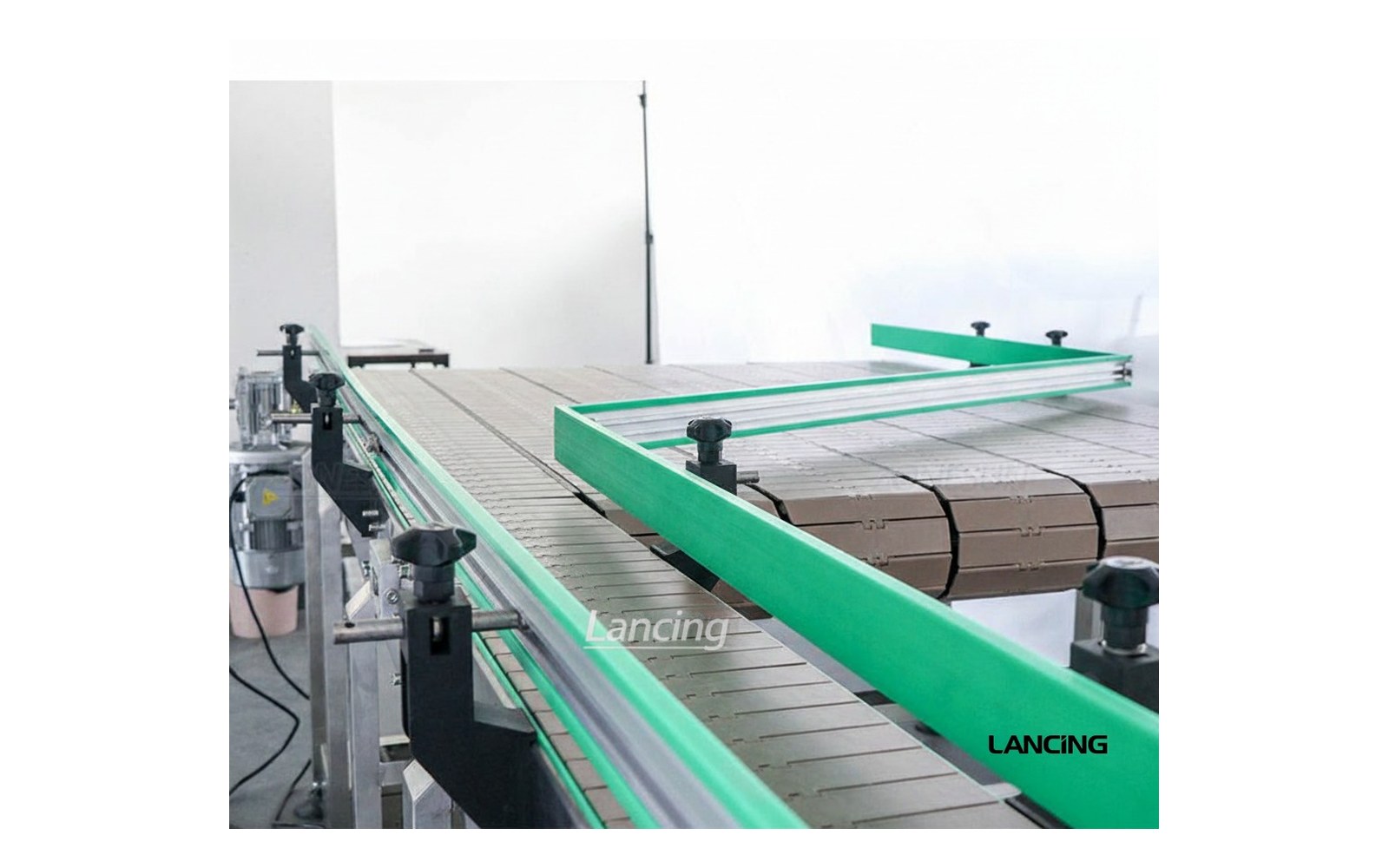
Packaging conveyor infeed used for controlled product positioning
Suitable when

When indexing is the right route

  • A pack must stop at a known station for an operation.
  • Product pitch must be created before a machine cycle.
  • A sensor, fixture or stop can confirm the pack position.
  • The station needs a controlled no-product or fault response.
Compare first

Alternatives to indexing

  • Continuous conveying where the process can operate in motion.
  • Separate metering belts where only the gap needs changing.
  • Side-grip or puck handling where stability is the main problem.
  • Accumulation zones where waiting, rather than accurate positioning, is required.
Send with an enquiry

Indexing conveyor quote information

  • Pack dimensions, weight, base and centre of gravity.
  • Required station datum, index distance and operation sequence.
  • Normal cycle, longest dwell and required good output.
  • Machine signals, sensor target and fault response.
  • Representative production samples and layout drawings.
Operating sequence

Define the complete index, not only the distance moved.

The sequence should state what the product, conveyor and connected machine do at each step.

01

Accept the product

Confirm that the station is ready, the correct product has arrived and the previous product has cleared.

02

Move to the datum

Accelerate and position the product without sliding, tipping, rotating or losing the required pitch.

03

Hold and operate

Confirm position, permit the machine cycle and detect a timeout, missing product or incomplete operation.

04

Release and recover

Clear the station, update tracking and return to normal production without releasing an uncontrolled queue.

Specification framework

Indexing conveyor design record

Use the actual production sequence to define each field. Avoid relying on a nominal index length or headline cycle rate alone.

Design subjectQuestion to answerEvidence to retain
Product supportWhich surfaces carry, guide or restrain the product during acceleration and stopping?Representative samples completing repeated indexes without unacceptable movement or marking.
Pitch and indexIs the pitch fixed, variable or created upstream, and where is the station datum?Measured product positions through start-up, normal running and recovery.
DwellWhat operation happens while stopped, and what is the longest valid dwell?Machine-cycle timing and timeout behaviour recorded for normal and abnormal states.
DetectionWhich feature is detected, at what distance and in which pack conditions?Sensor trials with the least favourable colour, reflectivity, fill state and orientation.
ControlsWhich device owns ready, index, cycle-complete, fault and reset states?Approved interface schedule and witnessed sequence test.
QueuesWhat happens upstream while the station is occupied or faulted?Blocked-line and recovery test showing no uncontrolled pressure or double feed.
SafetyHow are access, stored energy and restart controlled around the moving station?Machine-specific risk assessment, guarding record and safe-isolation procedure.
Product behaviour

Acceleration and stopping can expose problems that continuous running hides.

A pack that travels reliably at constant speed may slide, rock or rotate when an indexing move starts or stops. Tall bottles, open containers, flexible pouches, trays with loose contents and products with small contact areas need particular attention. The limiting sample may be the empty pack, the full pack or a part-completed pack between operations.

Control may come from the motion profile, product guides, a fixture, a flight, a puck or a mechanical stop. Choose the least intrusive method that keeps the pack stable and accessible for the operation. If a carrier is needed, review puck conveyor system planning; if the main requirement is gap creation, use the speed and product-spacing guide.

Controls integration

The conveyor and machine need one agreed state model.

The interface should identify who commands the index, who confirms position, when the machine cycle may start and what happens if any confirmation is late or absent. A simple run signal is not enough where the conveyor deliberately stops at a process station.

Review the required ready, busy, complete, blocked, fault, reset and safe-stop states with the conveyor controls and interlocks guide. Final safeguarding must be based on the installed machinery and a competent risk assessment; the UK Health and Safety Executive provides general guidance on work equipment and machinery safety.

Buyer questions

Common questions about indexing conveyors

What is the difference between an indexing conveyor and a continuous conveyor?

An indexing conveyor advances products in controlled steps and normally includes a defined stop or dwell at a station. A continuous conveyor keeps the conveying surface moving while products pass through the process. The better route depends on whether the operation needs a stationary product, a controlled pitch, an in-motion process or only a steady transfer between machines.

How is a product positioned on an indexing conveyor?

Position can be established by a sensor target, flight, pocket, fixture, mechanical stop, servo-controlled motion or a combination of these. The method should be chosen around the real pack and process datum. It must hold the product without damage, allow practical changeover and provide a clear confirmation before the connected machine operates.

Does an indexing conveyor need upstream accumulation?

It often needs controlled queue capacity because the indexing station is unavailable during each dwell or fault. The buffer does not have to be large, but it must prevent the upstream process from pushing products into the index space. Calculate the required queue from the operating cycle, expected short stops and the way products can safely contact or remain separated.

What determines the output of an indexing conveyor?

Achievable output depends on the complete cycle: product arrival, index movement, settling, the packaging operation, confirmation, release and recovery. Product stability and machine response can be more limiting than conveyor motor speed. Confirm the required good output and prove it with representative samples and the actual machine sequence rather than using an unsupported headline figure.

What should be recorded for an indexing conveyor changeover?

Record the guide, fixture or pocket settings, sensor positions, index length, motion recipe, station datum and product-specific acceptance checks. Where several formats share a route, use repeatable references and verify the limiting pack after changeover. The changeover record should also state which parts are format-specific and how incorrect setup is detected.

What should I send for an indexing conveyor quotation?

Send representative products, dimensions and weights, the operation performed at the station, required pitch and datum, target good output, layout drawings, connected-machine signals, expected faults and the required safety boundary. A short video of the current process can help, but it should be supported by measured dimensions and an agreed operating sequence.
Related guidance
Prepare the indexing brief

Send the pack, station sequence and machine interfaces.

Include the limiting product, index and dwell requirement, target good output, sensor target, fault response and available layout so Lancing can review the conveyor duty.

Discuss an indexing conveyor