 Application
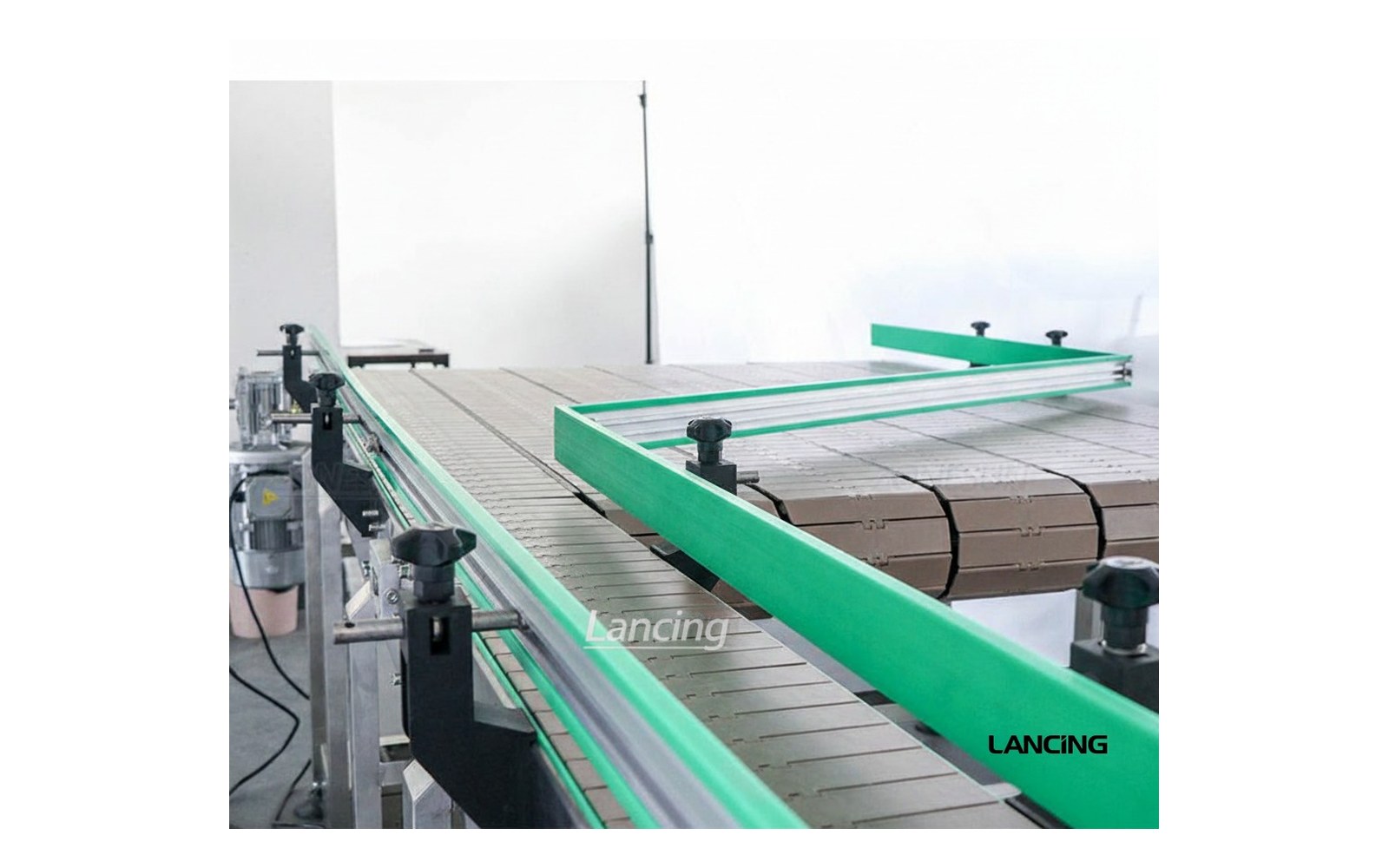
Bottle conveyors
Bottle handling routes for filling, capping, labelling, coding and accumulation.
Explore application →Compare conveyor starting points by product, pack behaviour and production environment before confirming belt, chain, incline, curved, infeed or accumulation requirements.
Choose the nearest product route as a starting point, then confirm the physical pack details: base size, height, filled weight, fragility, contamination risk and how it runs between side guides.
Application
Bottle handling routes for filling, capping, labelling, coding and accumulation.
Explore application →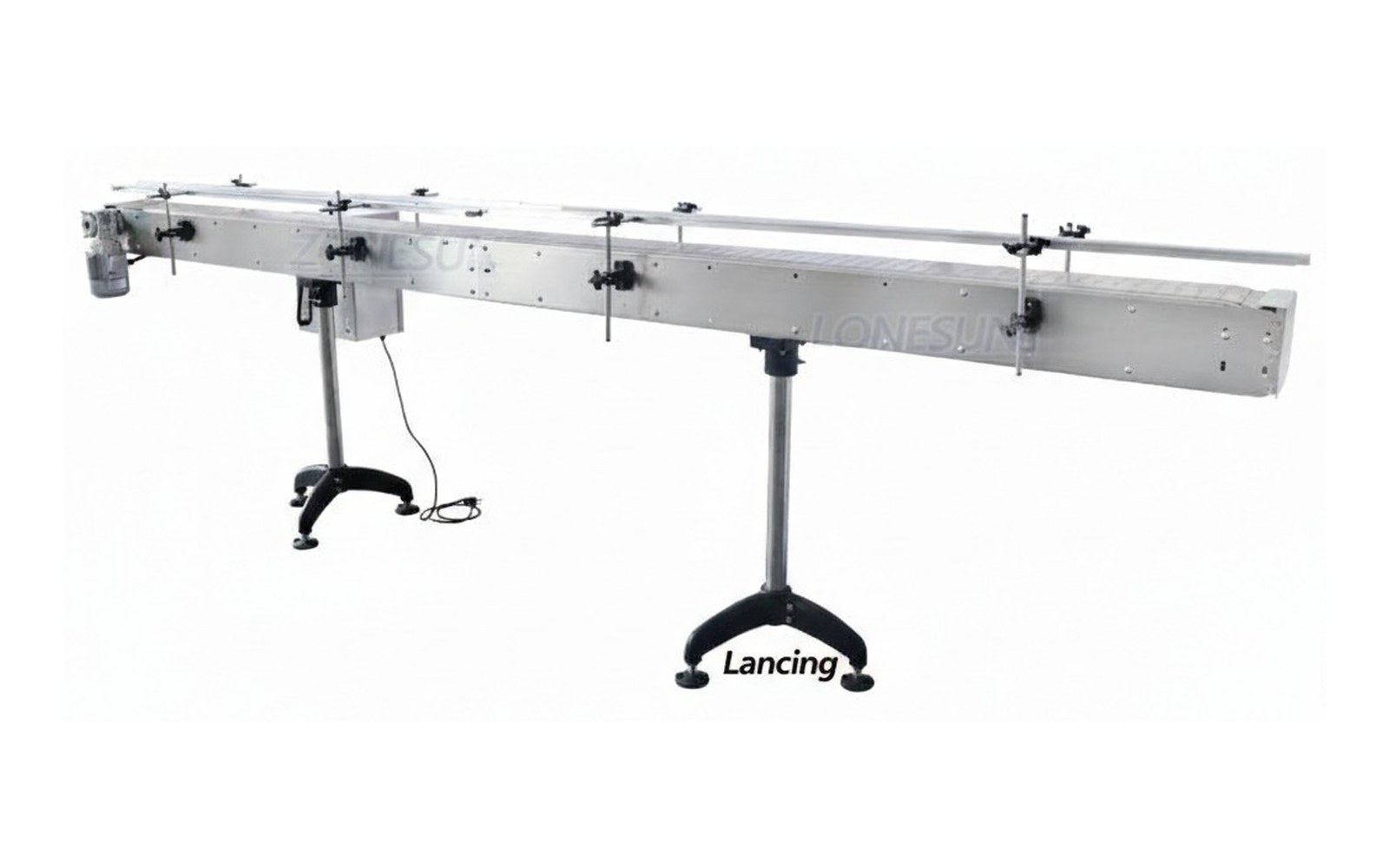 Application
Conveyors for jars, bottles, trays, tubs and packs where hygiene, cleaning and changeover matter.
Explore application →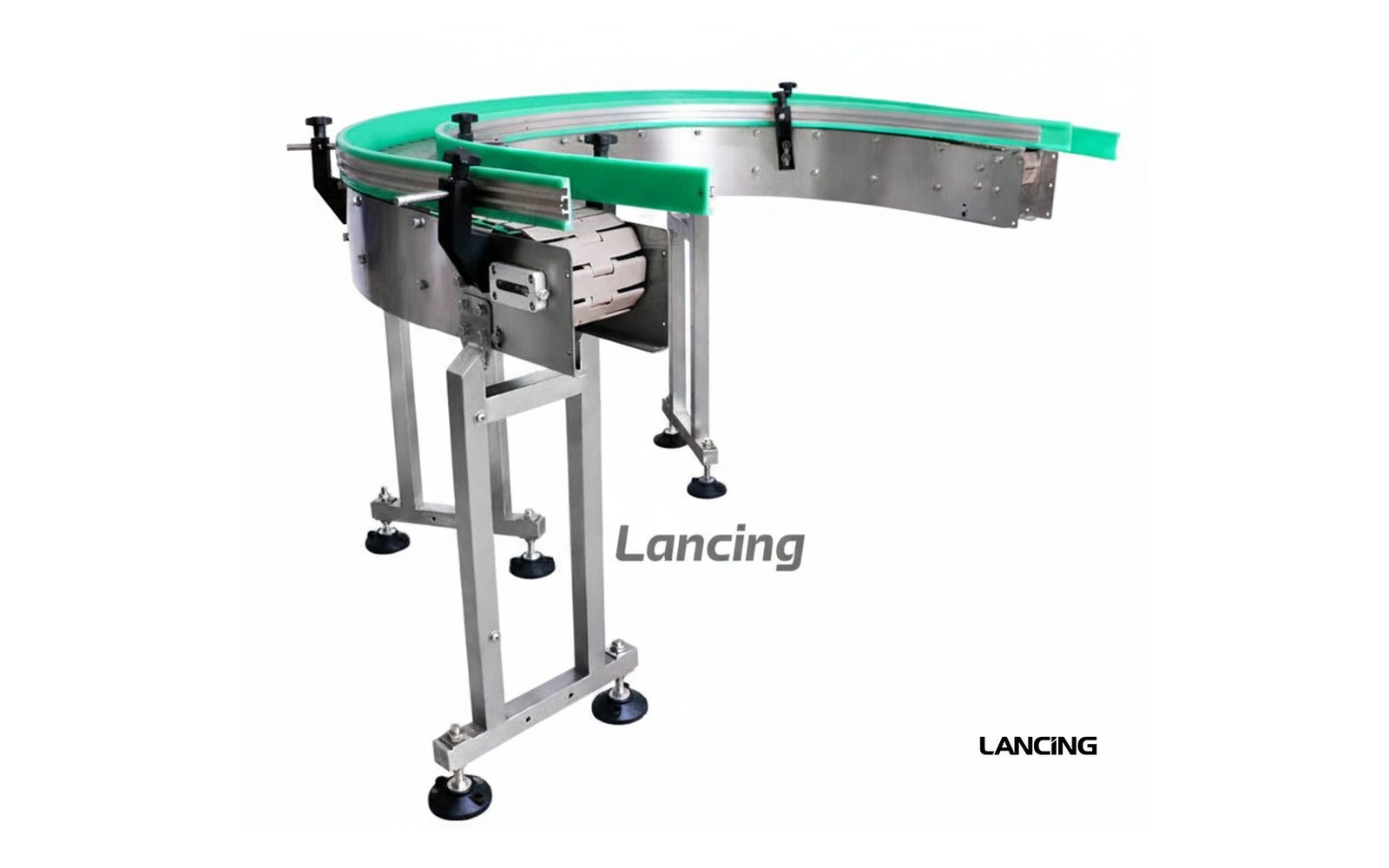 Application
Conveyor layouts for creams, lotions, pump bottles, jars, tubs and presentation-sensitive packs.
Explore application →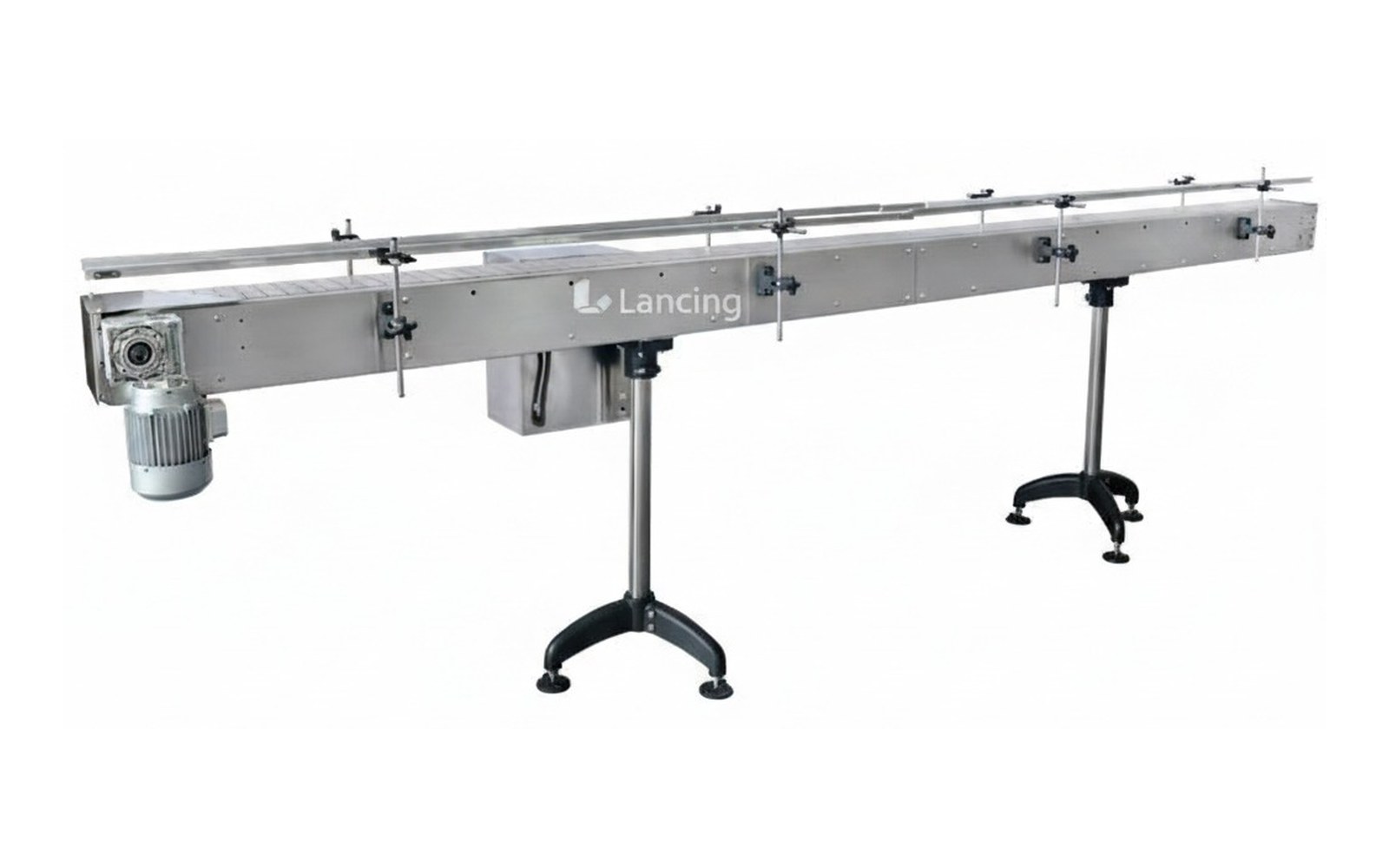 Application
Stable handling for trigger bottles, jerrycans, detergents, cleaning products and industrial liquids.
Explore application →Choose the application closest to your product so we can review stability, cleaning, changeover, transfers and the machines connected to the conveyor.
Clear answers for choosing conveyor options, planning a line layout and preparing quote details.
Use the application closest to your product for context, then confirm the conveyor around the pack shape, base, stability, weight, speed and connected machines.
Often yes, but changeover range, guide rails, width, belt type and transfer points must be checked against every format.
Send your product details, line speed and available space to get advice on the conveyor route that fits your packaging line.
Industry names are useful for finding the right starting page, but the conveyor is specified around the pack and process. Two products from the same market can have different bases, weights, surface finishes, cleaning requirements and stability. The design brief should therefore describe the actual containers, cartons, trays, tubs or pouches and the machine stages they must pass through.
Use the application pages for bottles, food and beverage packs, cosmetics and personal care and chemical and household products, then return to the relevant core conveyor page for the mechanical specification.
A sample set should cover the smallest base, tallest centre of gravity, lowest wall stiffness, greatest filled weight and most sensitive decorated surface. Include empty and filled versions where their behaviour changes. If the line runs wet, dusty, warm or with frequent spills, reproduce those relevant conditions in the design review or test plan.
Container orientation and presentation can be as important as simple transport. A pump bottle may need the actuator protected from guide contact; a jar may require controlled pressure before capping; a pouch may need full-base support and positive pitch before coding; a carton may need a flat stable face for inspection. These are application requirements, not marketing labels.
Where a bottle project needs bulk feeding, orientation or automatic unscrambling, use Bottle Unscramblers UK rather than duplicating that machinery detail here. Where the challenge is print technology, ink, message design or verification, continue to Coding Machinery. For a complete multi-machine packaging project, continue to Packaging Lines UK.
This service remains focused on the transfer, support, spacing, accumulation, side-guide and machine-interface work that connects those processes.
| Pack behaviour | Likely conveyor concern | Evidence to send |
|---|---|---|
| Tall or narrow bottle | Centre of gravity, guide contact, acceleration and transfer gaps. | Empty and filled samples, base dimensions, height and slow-motion transfer video. |
| Glass jar or rigid pot | Impact, noise, pressure before capping and safe accumulation. | Filled weight, breakage limits, cap stage and allowable container contact. |
| Carton, tray or rigid pack | Full-base support, skew, belt grip and coding or inspection face. | Base footprint, weight, surface finish, required orientation and print position. |
| Pouch or sachet | Support, curling, trapped air, pitch and sensor detection. | Filled and unfilled samples, seal shape, surface condition and target spacing. |
| Trigger bottle or jerrycan | Handle or trigger interference, greater load and spill exposure. | All formats, filled weight, centre of gravity, closure position and cleaning method. |
Acceptance should be based on a defined product range and operating sequence. Include steady running, normal starts and stops, blocked downstream recovery, format changeover and any relevant wet or contaminated condition. State the required good output and the maximum acceptable product damage, tip, jam, reject or manual intervention.
For an upgrade, show the existing line at its best and worst. A short video should include the transfer before the failure, the actual failure and the operator action needed to recover. This is more useful than a photograph of the conveyor after production has stopped.
These answers define the evidence needed for a reliable specification and quotation.
Filling changes weight, centre of gravity, base contact and sometimes surface condition. A pack that is stable when empty may tip, slide or build pressure differently when filled.
Often yes, but the usable width, guide range, sensor positions, transfer support and changeover method must cover the full sample set. The least stable format should drive the validation.
Use the specialist domain when the main purchase is bottle unscrambling, coding technology, a complete packaging line or a broader warehouse conveyor. Keep this site focused on packaging-conveyor engineering and interfaces.