Where this conveyor route helps
- Short-run packaging work
- Changing bottle, jar, tub and carton sizes
- Manual and semi-automatic packing lines
- Lines that need modular expansion over time
Support changing pack formats, short production runs and different customer products with practical conveyor routes and sensible adjustment.
Contract packers often need flexibility. The conveyor layout should allow quick changeovers, different pack sizes and operator access without making every new job difficult to run.
For the clearest advice, share the pack format, production speed, available floor space and the machines before and after the conveyor. That makes it easier to confirm whether a straight, curved, incline, infeed, outfeed or accumulation route is the right starting point.
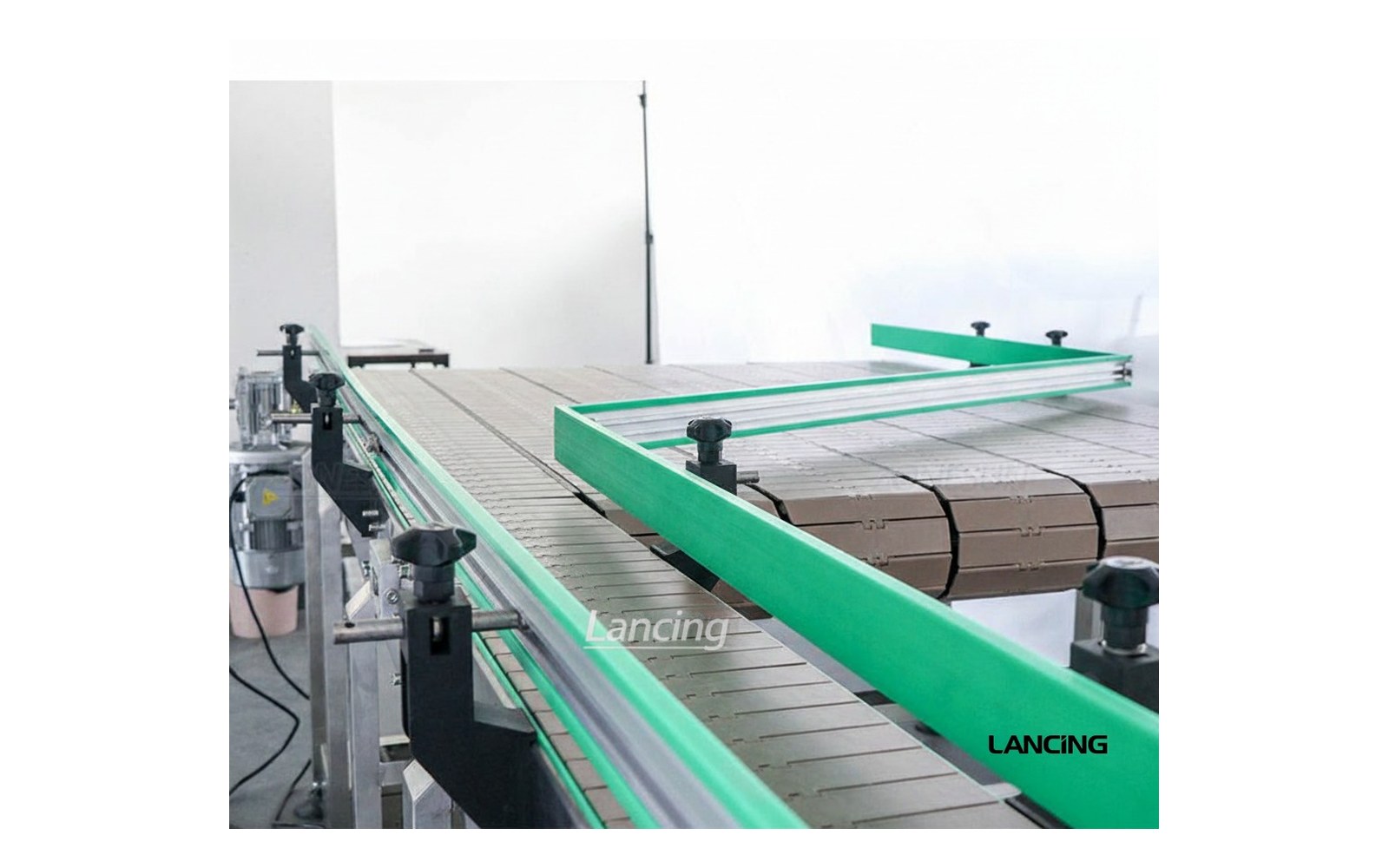
Small details at the planning stage can prevent jams, unstable transfers and operator access problems once the line is running.
Confirm size, weight, base shape and stability before choosing the conveyor route.
Match conveyor height, speed and transfer direction to the equipment on either side.
Keep access for loading, cleaning, adjustment, inspection and safe day-to-day use.
Decide whether the line needs accumulation to protect output during short stops.
These pages help narrow down the conveyor type, application and quote details.
Continue with practical conveyor information for this part of your line.
Open page →Continue with practical conveyor information for this part of your line.
Open page →Continue with practical conveyor information for this part of your line.
Open page →Clear answers for buyers comparing conveyor options and preparing an enquiry.
Flexibility, adjustment, access and sensible changeover are usually more important than designing around one fixed product.
Many layouts can be planned with future extension in mind, but this should be discussed before fabrication so interfaces and space are protected.
The answer depends on the products. Belt conveyors often suit varied packs, while slat chain routes are commonly considered for bottles and jars.
Get practical conveyor advice based on the way your product actually needs to move through the line.