 Guide
Guide
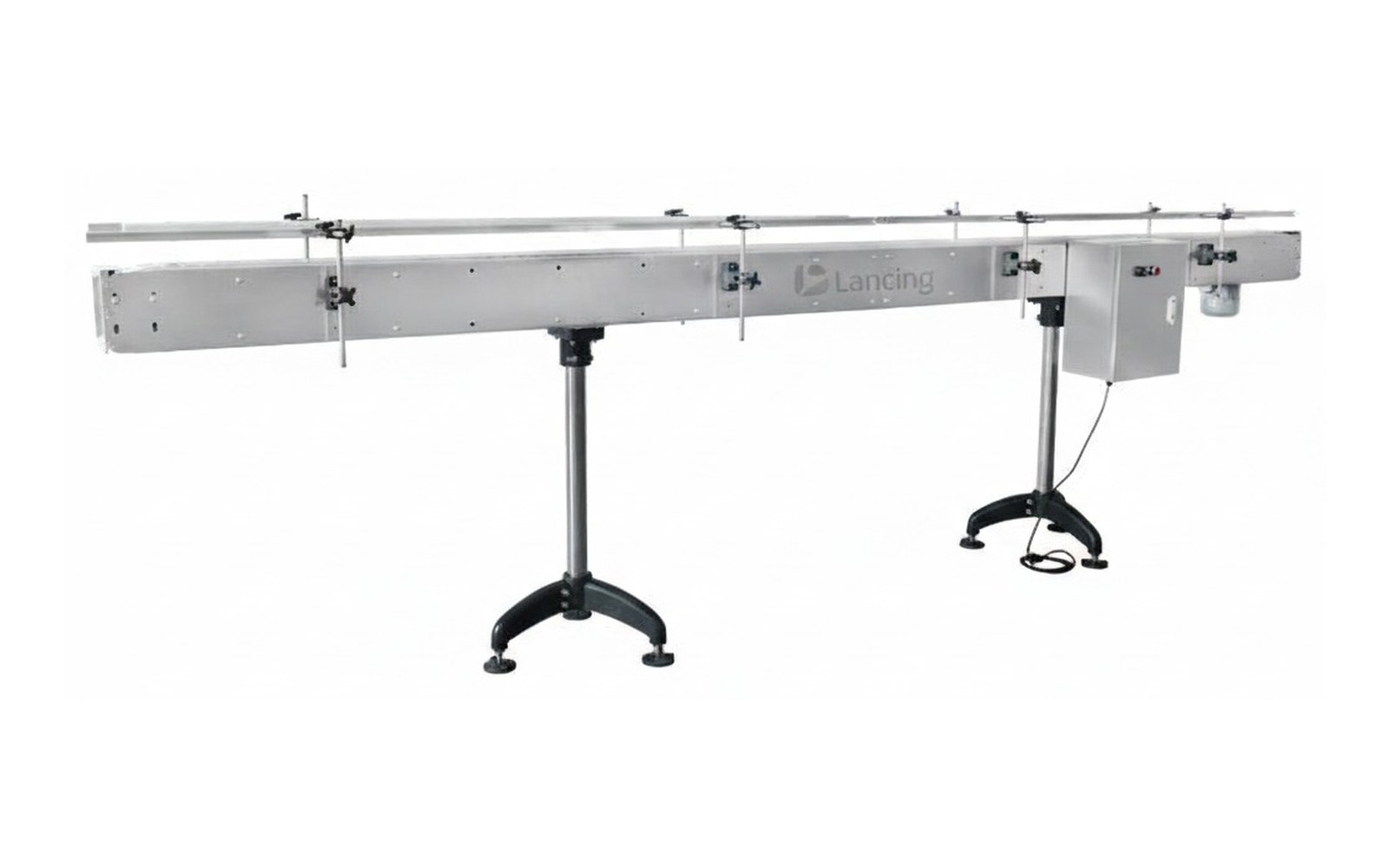
How to choose a packaging conveyor
Check pack stability, transfers, widths, speeds, accumulation and integration before choosing a conveyor.
Read guide →Use these guides to plan a conveyor enquiry, compare types and prepare the information needed for a more accurate specification.
Use these guides to prepare a clearer conveyor enquiry: pack details, layout, transfer points, output target, operator access and connected machinery.
Guide
Check pack stability, transfers, widths, speeds, accumulation and integration before choosing a conveyor.
Read guide →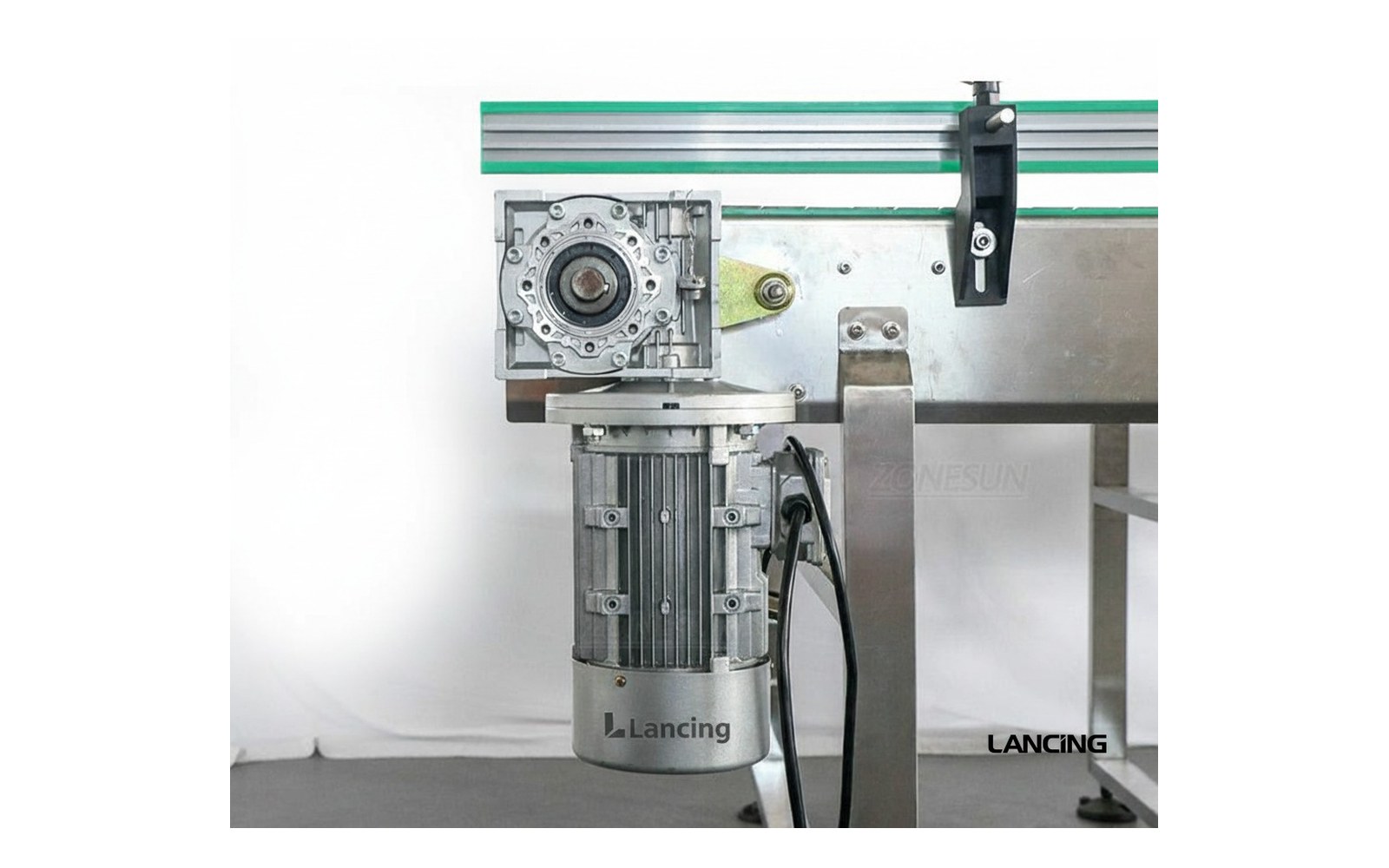 Guide
Guide
Send the right pack and layout details first so your conveyor quote is clearer and more accurate.
Read guide →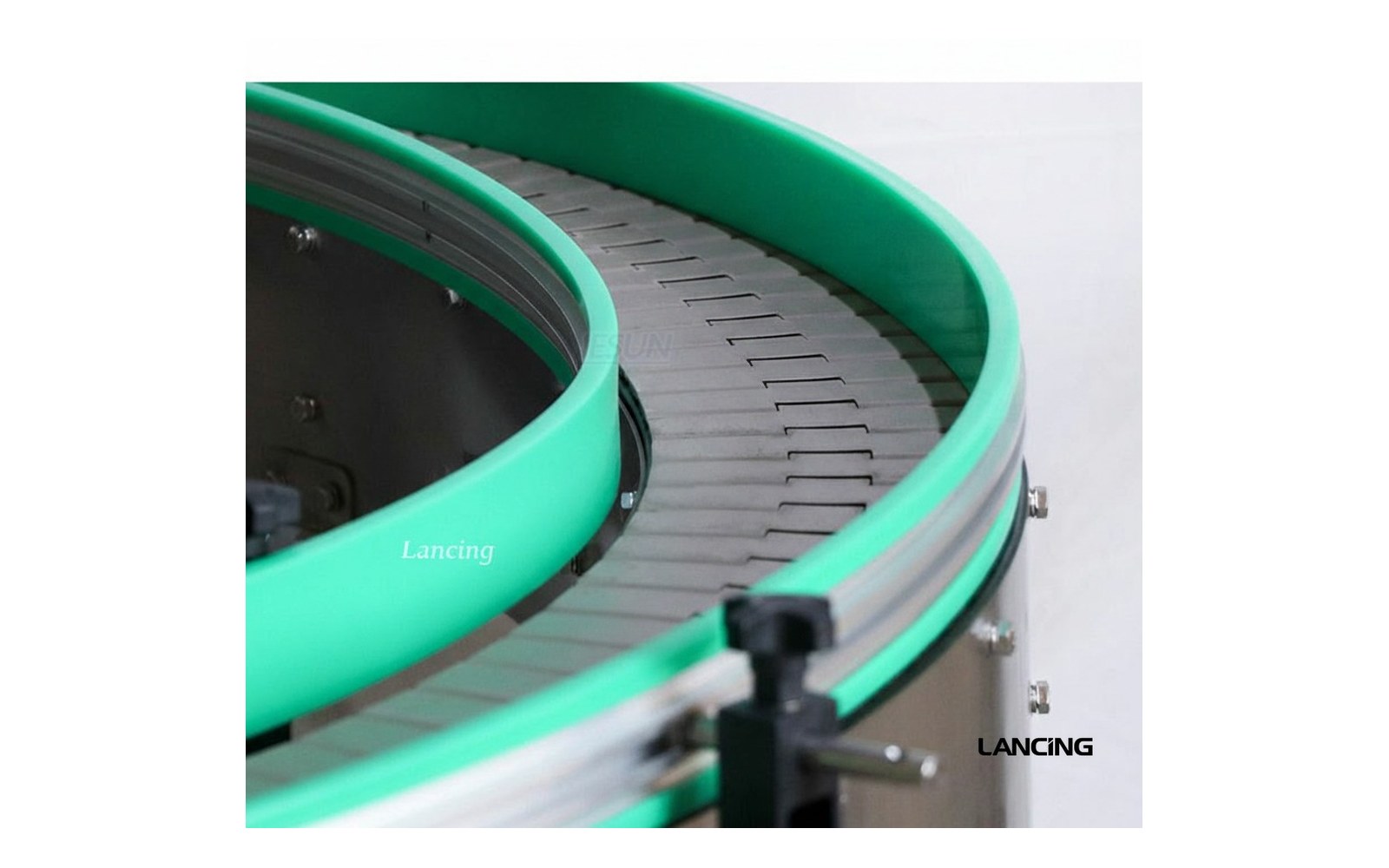 Guide
Guide
Plan footprint, operator access, machine interfaces, guarding, cleaning and future expansion.
Read guide →Clear answers for choosing conveyor options, planning a line layout and preparing quote details.
The guides help you check the product, layout and specification details needed for a more accurate conveyor quote.
Start with the conveyor selection guide if you are comparing options, or use the quote checklist if you already know the route and want pricing advice.
Send your product details, line speed and available space to get advice on the conveyor route that fits your packaging line.
A selection guide, quote checklist and layout checklist answer different questions. Use them in sequence rather than trying to define the whole project from a product name. The result should be a controlled brief that can be issued to suppliers and used again during design review and acceptance.
Start with how to choose a packaging conveyor, then complete the quote checklist and the layout checklist. Keep the same product references, rates and datums in all three documents.
If belt material, motor position, speed range, side-guide height, ingress rating or transfer detail is not known, do not copy a value from another line. Mark it as “to be confirmed” and state the evidence required: sample test, site measurement, neighbouring-machine drawing, cleaning procedure or controls review.
When suppliers propose alternatives, compare the effect on product stability, cleaning, changeover, access, controls and acceptance. An alternative is useful when the reason and consequence are explicit; it is not useful when the quotation quietly changes the duty.
The information collected before quotation should reappear in the final test. If the enquiry identifies the least stable bottle, a blocked downstream condition and a required buffer time, those points should be demonstrated before handover. This closes the gap between sales wording and production evidence.
For wider complete-line procurement, continue to the buyer resources on Packaging Lines UK. This site remains focused on conveyor selection, transfer, accumulation and machine interfaces.
| Project stage | Guide to use | Output to keep |
|---|---|---|
| Early selection | How to choose a packaging conveyor. | Shortlist of conveyor families and the sample tests needed. |
| Request for quotation | Packaging conveyor quote checklist. | Common duty, scope, product schedule and acceptance basis for every bidder. |
| Layout and design review | Conveyor line layout checklist. | Measured route, datums, interfaces, access, services and guarding boundaries. |
| Supplier clarification | Return to all three guides. | Closed assumptions, recorded alternatives and responsibility matrix. |
| Acceptance and handover | Reuse the original evidence. | Test record showing the agreed products, rates, stop cases and actions. |
A broad product label can identify the market category, but it cannot specify product behaviour or the line interface. A useful buyer document uses plain engineering language: the bottle tips at the capper transfer; the carton must remain within a defined coding window; the line needs a stated buffer time; or the belt must be removable using the available maintenance space.
Photographs should be labelled with direction of flow and a known dimension. Videos should show the operating state and failure, not only the machine when stopped. Drawings should state units, scale or key dimensions, revision and datum. These controls make later quotations and changes easier to trace.
These answers define the evidence needed for a reliable specification and quotation.
State it as a preference only when there is a technical reason. Keep the duty and acceptance evidence separate so suppliers can explain whether another route controls the product more reliably.
It should at least show the route, working heights, usable widths, machine envelopes, direction of flow, access constraints and transfer locations. Detailed fabrication information follows after the duty and interfaces are agreed.
The existing selection, quotation and layout checklists establish the conveyor duty. The following guides help buyers prove the difficult conditions and create a clearer handover record.
Early product trials can rule out unsuitable support, guide or transfer arrangements. Speed and spacing work should be completed before inspection, coding or reject logic is released. Controls and guarding responsibilities should be coordinated with the mechanical layout, while FAT and SAT criteria should be agreed before manufacture or installation.
When a running line develops a fault, troubleshooting should start with evidence rather than adjustment. Cleaning and changeover records then preserve the settings and access methods that have already been proven.
Keep the quote checklist and layout checklist as the controlled project baseline, then attach the trial, interface and acceptance evidence from the relevant technical guide.
These guides address cross-functional decisions that are often split between mechanical, controls, quality and maintenance teams. Each provides a direct answer, evidence schedule and enquiry route.
Match the sensing arrangement to clear, reflective, dark or irregular packs and prove it through the required line states.
Read the guide →Define tracking, actuation, confirmation, blocked-destination response and acceptance evidence.
Read the guide →Classify installed parts by production risk and record safe replacement and return-to-service checks.
Read the guide →These guides cover handling duties that sit beyond a straightforward continuous single-lane conveyor.
Define index distance, dwell, product restraint, sensors, machine signals and fault recovery.
Read the indexing guide →Plan merges, diverts and single-file flow around downstream capacity and product behaviour.
Review lane control →Compare reusable carriers with ordinary guides and side grip for unstable bottles.
Review puck handling →