Where this helps
- Lines not reaching target output
- Frequent product jams or queues
- Poor machine-to-machine transfer
- Manual packing areas needing better flow
Make the conveyor route work harder by improving product flow between the machines and people already on the line.
Small conveyor changes can make a noticeable difference to line usability. Speed control, guide rail settings, extra buffer or a better outfeed route may reduce interruptions.
The best improvement depends on the product, machine sequence, operator task and the problem that causes lost time.
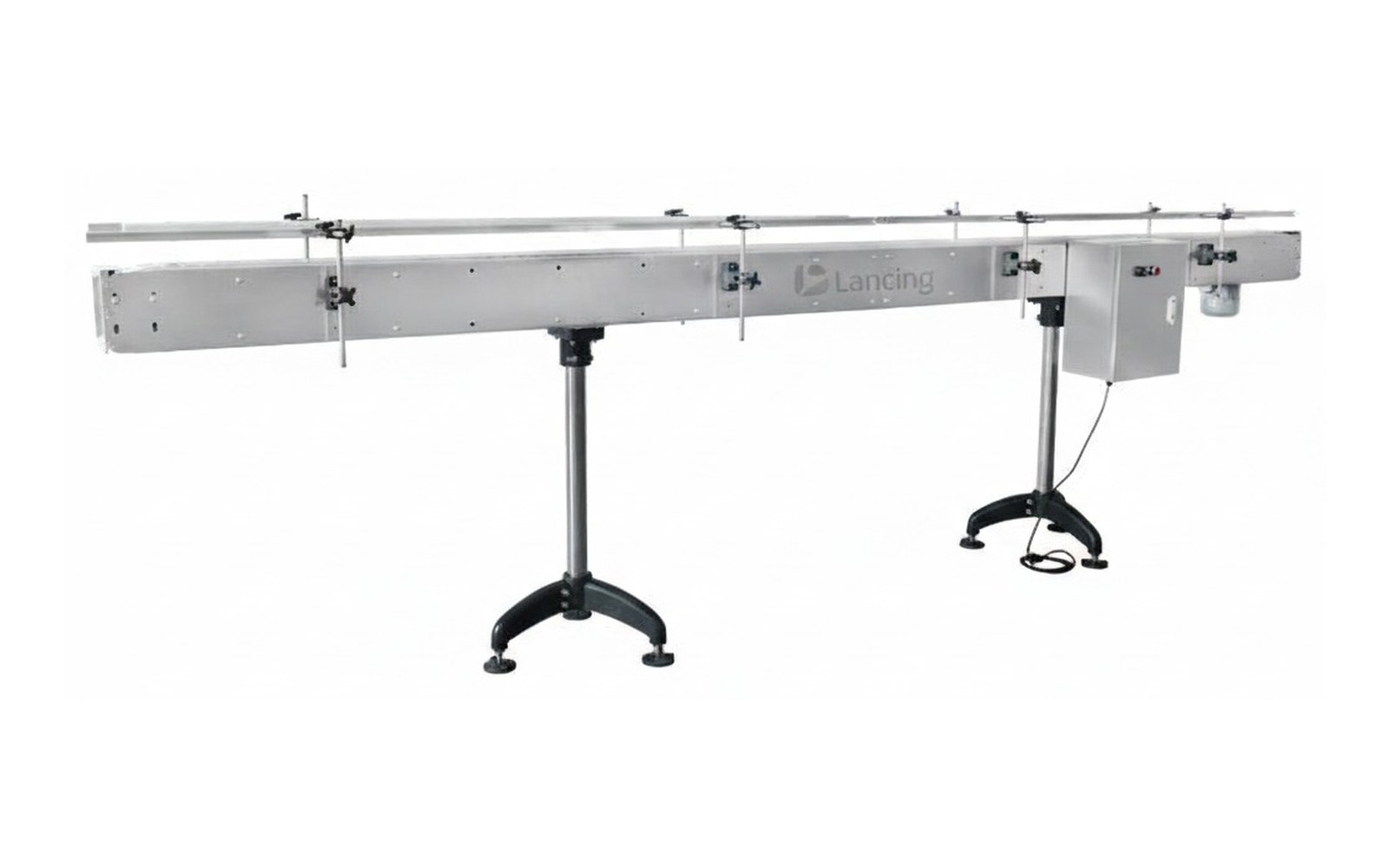
Small details at planning stage can prevent unstable transfers, awkward access and output issues later.
Confirm size, weight, base shape and stability before choosing the conveyor type.
Match conveyor height, speed and direction to the equipment on either side.
Keep room for loading, cleaning, adjustment, inspection and safe operation.
Decide whether the line needs accumulation to protect output during short stops.
These related pages help narrow down the conveyor type, layout and quote details.
Continue with practical conveyor information for your enquiry.
Open page →Continue with practical conveyor information for your enquiry.
Open page →Continue with practical conveyor information for your enquiry.
Open page →Clear answers for buyers comparing conveyor options and preparing an enquiry.
A better layout can reduce jams, waiting time, operator walking and poor transfers between machines.
Not always. Some issues can be improved with guide rails, speed changes, transfer adjustments or added accumulation.
A short description of the issue, photos, product dimensions, line speed and where the problem occurs are very useful.
Get practical conveyor advice based on the way your product needs to move through the line.