Where this helps
- Growing food manufacturers
- New filling and labelling lines
- Small batch to larger batch production
- Manual packing areas needing better flow
Move from manual handling to a more controlled packaging flow with conveyors planned around your product, space and growth plans.
Growing food brands often need to improve output without losing control of product quality and presentation. A practical conveyor route can reduce manual movement between stages.
Planning the conveyor around current products and likely future formats helps avoid outgrowing the layout too quickly.
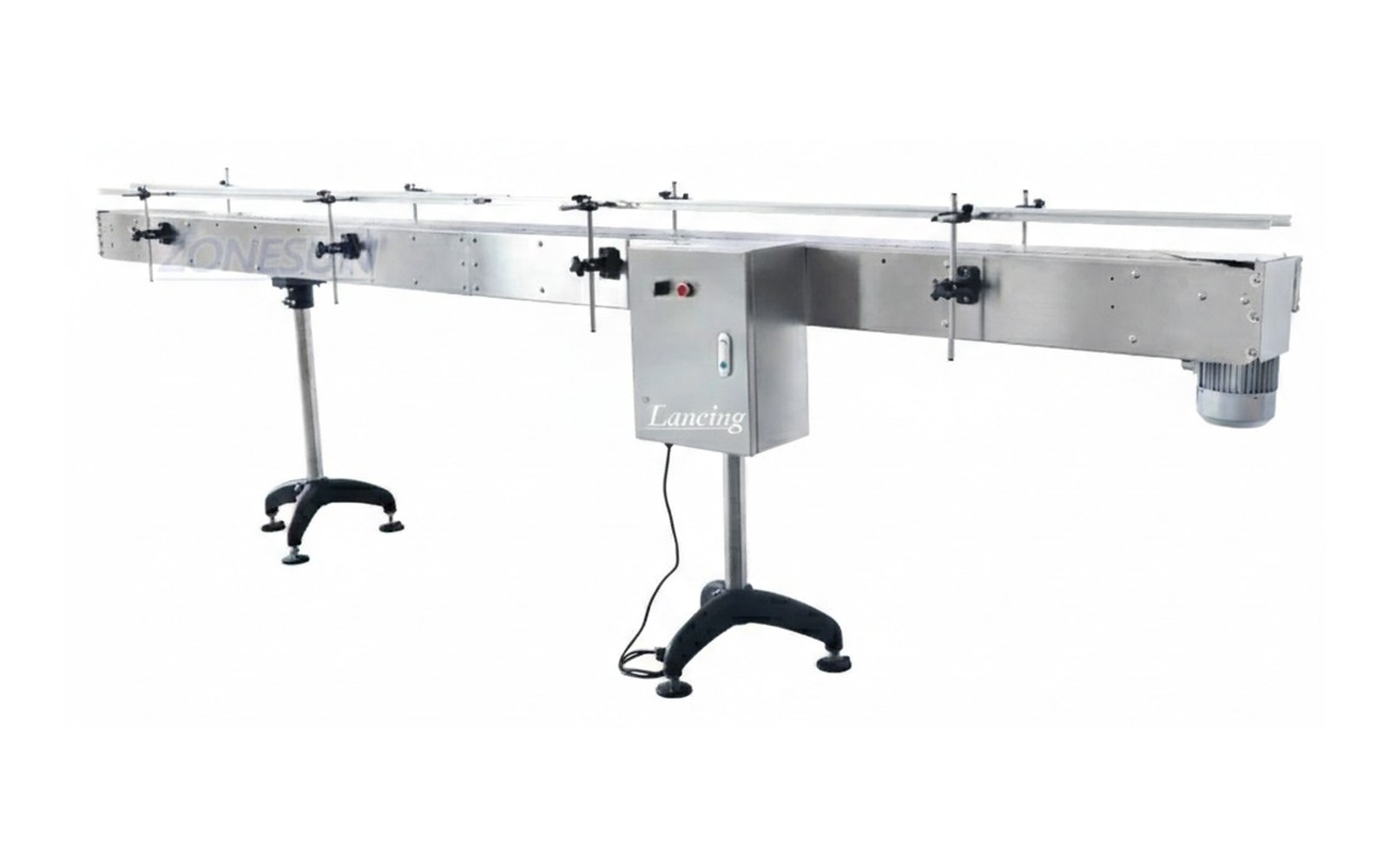
Small details at planning stage can prevent unstable transfers, awkward access and output issues later.
Confirm size, weight, base shape and stability before choosing the conveyor type.
Match conveyor height, speed and direction to the equipment on either side.
Keep room for loading, cleaning, adjustment, inspection and safe operation.
Decide whether the line needs accumulation to protect output during short stops.
These related pages help narrow down the conveyor type, layout and quote details.
Continue with practical conveyor information for your enquiry.
Open page →Continue with practical conveyor information for your enquiry.
Open page →Continue with practical conveyor information for your enquiry.
Open page →Clear answers for buyers comparing conveyor options and preparing an enquiry.
When manual movement between stages limits output, creates handling issues or makes the process difficult to control.
Often yes, but it should still be planned with transfer points, cleaning access and future growth in mind.
Yes. Many lines are built in stages, provided future connections and space are considered early.
Get practical conveyor advice based on the way your product needs to move through the line.