Where this helps
- Small manufacturing units
- Growing packaging lines
- Contract packing cells
- Lines with restricted operator access
Improve product flow without taking over the production area by using a conveyor layout built around your available footprint.
Limited floor space can make conveyors more important, not less. A compact route needs to move product smoothly while still leaving room for operators, access, cleaning and future changes.
Curved conveyors, U-shaped layouts, short infeed sections and rotary tables can all help make better use of the space available.
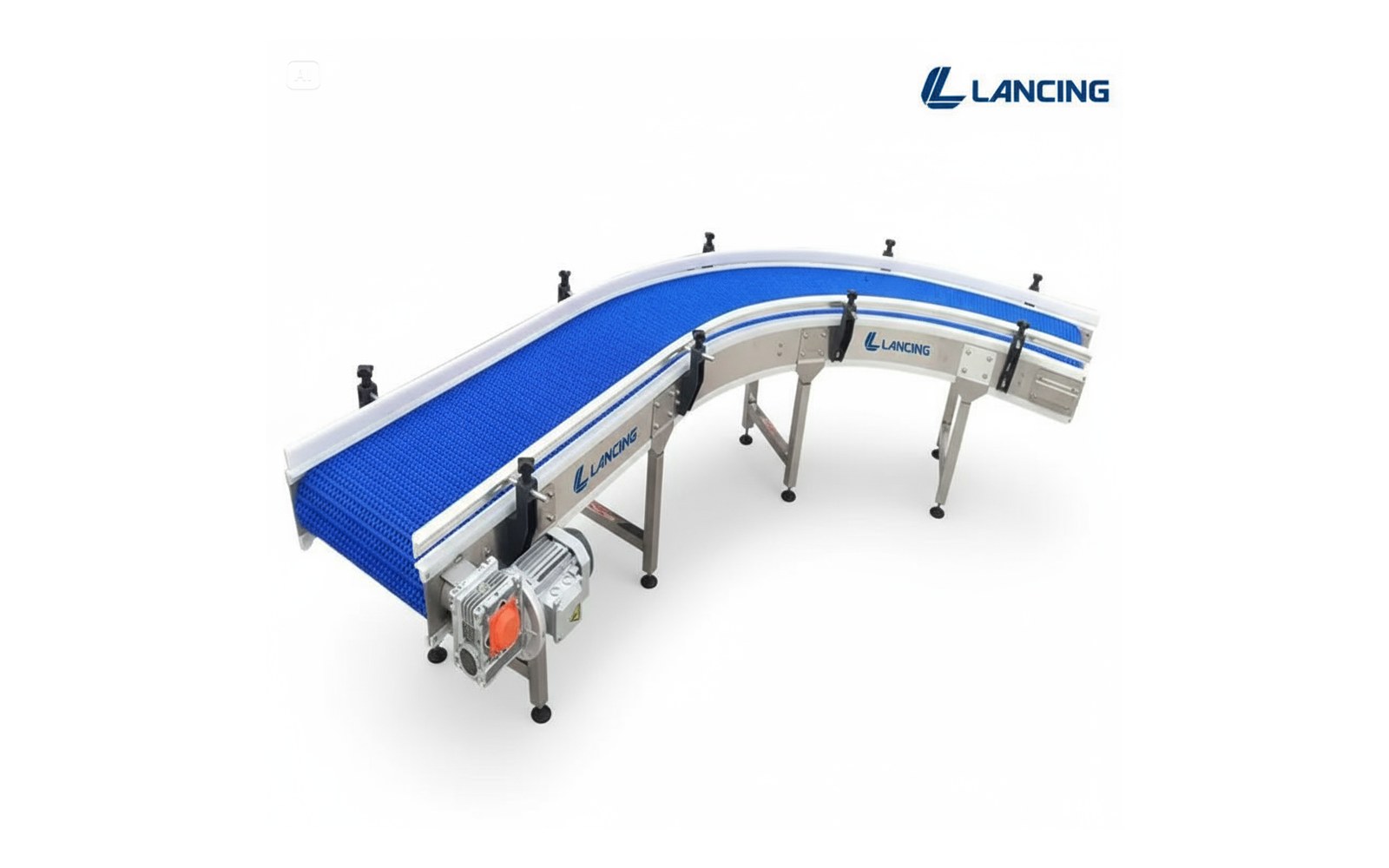
Small details at planning stage can prevent unstable transfers, awkward access and output issues later.
Confirm size, weight, base shape and stability before choosing the conveyor type.
Match conveyor height, speed and direction to the equipment on either side.
Keep room for loading, cleaning, adjustment, inspection and safe operation.
Decide whether the line needs accumulation to protect output during short stops.
These related pages help narrow down the conveyor type, layout and quote details.
Continue with practical conveyor information for your enquiry.
Open page →Continue with practical conveyor information for your enquiry.
Open page →Continue with practical conveyor information for your enquiry.
Open page →Clear answers for buyers comparing conveyor options and preparing an enquiry.
Often yes, but the layout needs to account for operators, machine access, cleaning and safe movement around the line.
Curved conveyors, compact straight sections and rotary tables can help when a straight line is too long.
Yes. Even a small spare length or planned connection point can make future line changes easier.
Get practical conveyor advice based on the way your product needs to move through the line.