Where this conveyor route helps
- New conveyor enquiries
- Replacement conveyor projects
- Layout changes and line extensions
- Projects where the conveyor type is not yet confirmed
Send the information that affects conveyor design, cost and suitability so your enquiry can be reviewed properly.
A useful conveyor quote depends on product details, machine interfaces and layout constraints. The more practical information you provide, the easier it is to recommend the right conveyor route.
For the clearest advice, share the pack format, production speed, available floor space and the machines before and after the conveyor. That makes it easier to confirm whether a straight, curved, incline, infeed, outfeed or accumulation route is the right starting point.
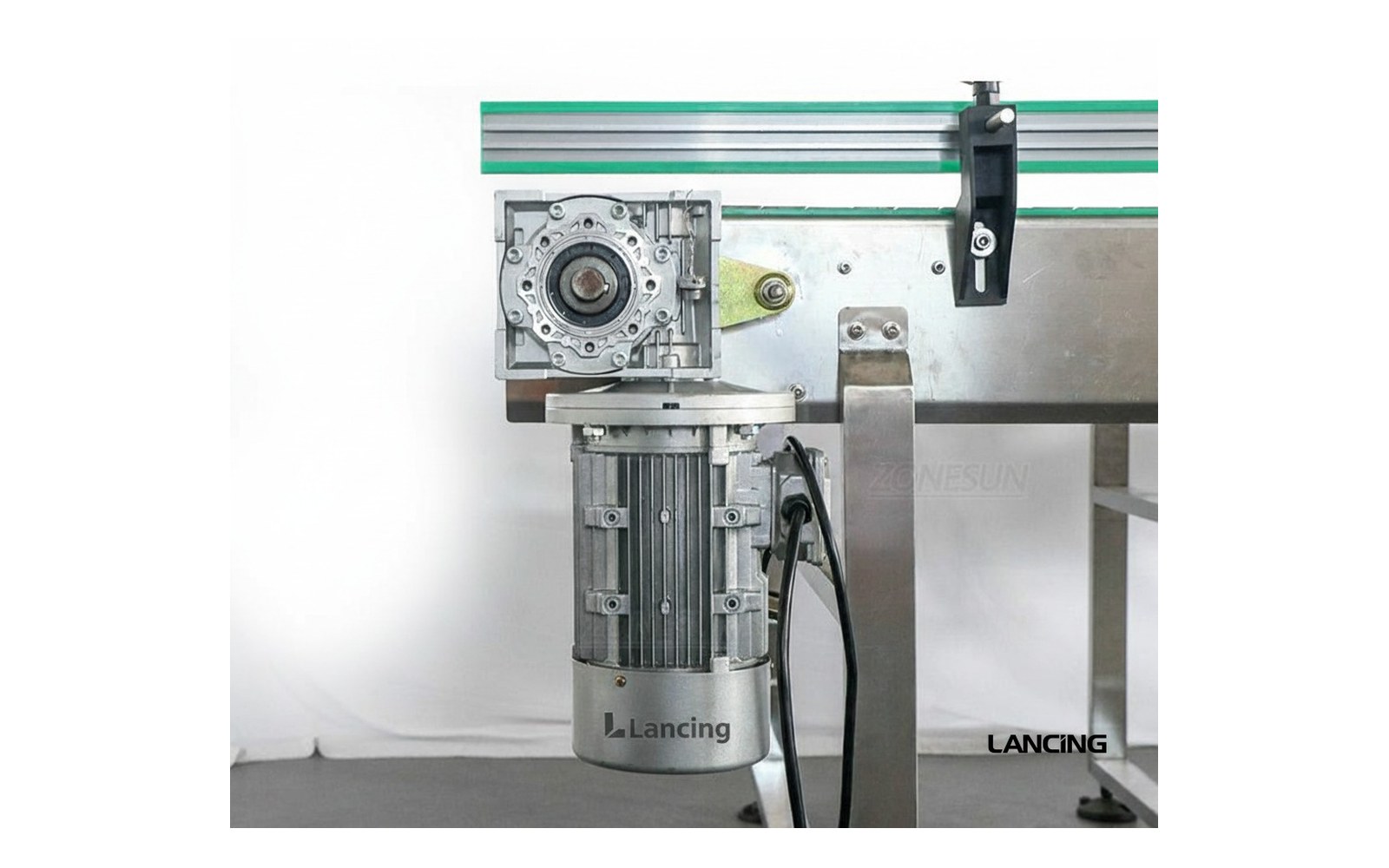
Small details at the planning stage can prevent jams, unstable transfers and operator access problems once the line is running.
Confirm size, weight, base shape and stability before choosing the conveyor route.
Match conveyor height, speed and transfer direction to the equipment on either side.
Keep access for loading, cleaning, adjustment, inspection and safe day-to-day use.
Decide whether the line needs accumulation to protect output during short stops.
These pages help narrow down the conveyor type, application and quote details.
Continue with practical conveyor information for this part of your line.
Open page →Continue with practical conveyor information for this part of your line.
Open page →Continue with practical conveyor information for this part of your line.
Open page →Clear answers for buyers comparing conveyor options and preparing an enquiry.
Send product details, target output, layout photos, available space, line direction, machine heights and any cleaning or guarding requirements.
Yes. It is often better to share the product and layout first, then choose the conveyor type based on the actual handling requirement.
Yes. Photos or short videos are useful because they show space, access, transfer points and existing machinery that a drawing may miss.
Get practical conveyor advice based on the way your product actually needs to move through the line.