Where this helps
- Worn or unreliable conveyors
- Lines with product jams or transfer problems
- Outdated layouts after machine changes
- Production areas needing improved access
Replace a conveyor that is limiting output, causing product handling issues or no longer suits the way your line runs.
Replacing like-for-like can repeat the same problem if the original conveyor was wrong for the product or line. The better starting point is to understand why the existing equipment is no longer suitable.
The new conveyor can then be specified around product stability, transfers, machine heights, guide rails and operator access.
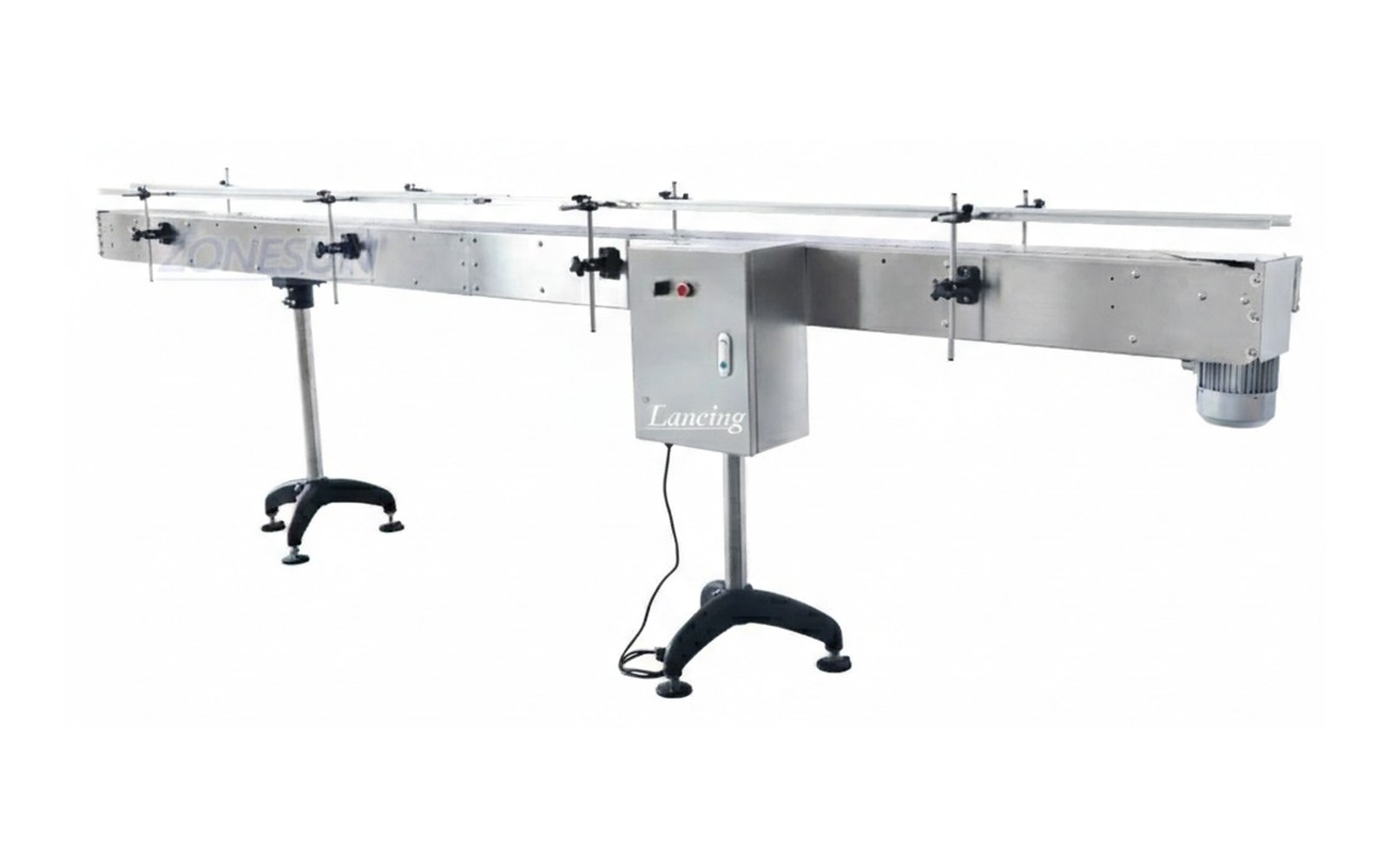
Small details at planning stage can prevent unstable transfers, awkward access and output issues later.
Confirm size, weight, base shape and stability before choosing the conveyor type.
Match conveyor height, speed and direction to the equipment on either side.
Keep room for loading, cleaning, adjustment, inspection and safe operation.
Decide whether the line needs accumulation to protect output during short stops.
These related pages help narrow down the conveyor type, layout and quote details.
Continue with practical conveyor information for your enquiry.
Open page →Continue with practical conveyor information for your enquiry.
Open page →Continue with practical conveyor information for your enquiry.
Open page →Clear answers for buyers comparing conveyor options and preparing an enquiry.
Only if the existing design still suits the product and line. If it causes problems, the replacement should address those issues.
Often yes, but the machine heights and transfer directions need to be measured.
Photos of the full conveyor, drive end, transfers, guide rails and surrounding machines are useful.
Get practical conveyor advice based on the way your product needs to move through the line.