Where this helps
- UK manufacturers comparing conveyor suppliers
- Production teams replacing an unreliable conveyor
- Contract packers needing flexible conveyor routes
- Buyers planning a new packaging line
Get practical help choosing conveyors for filling, capping, labelling, inspection and end-of-line packaging operations.
A good conveyor enquiry starts with the product, the machines either side and the output you need to achieve. That avoids choosing a conveyor purely from a catalogue image.
Share the pack size, weight, stability, required speed and available floor space so the conveyor route can be matched to the way your line actually runs.
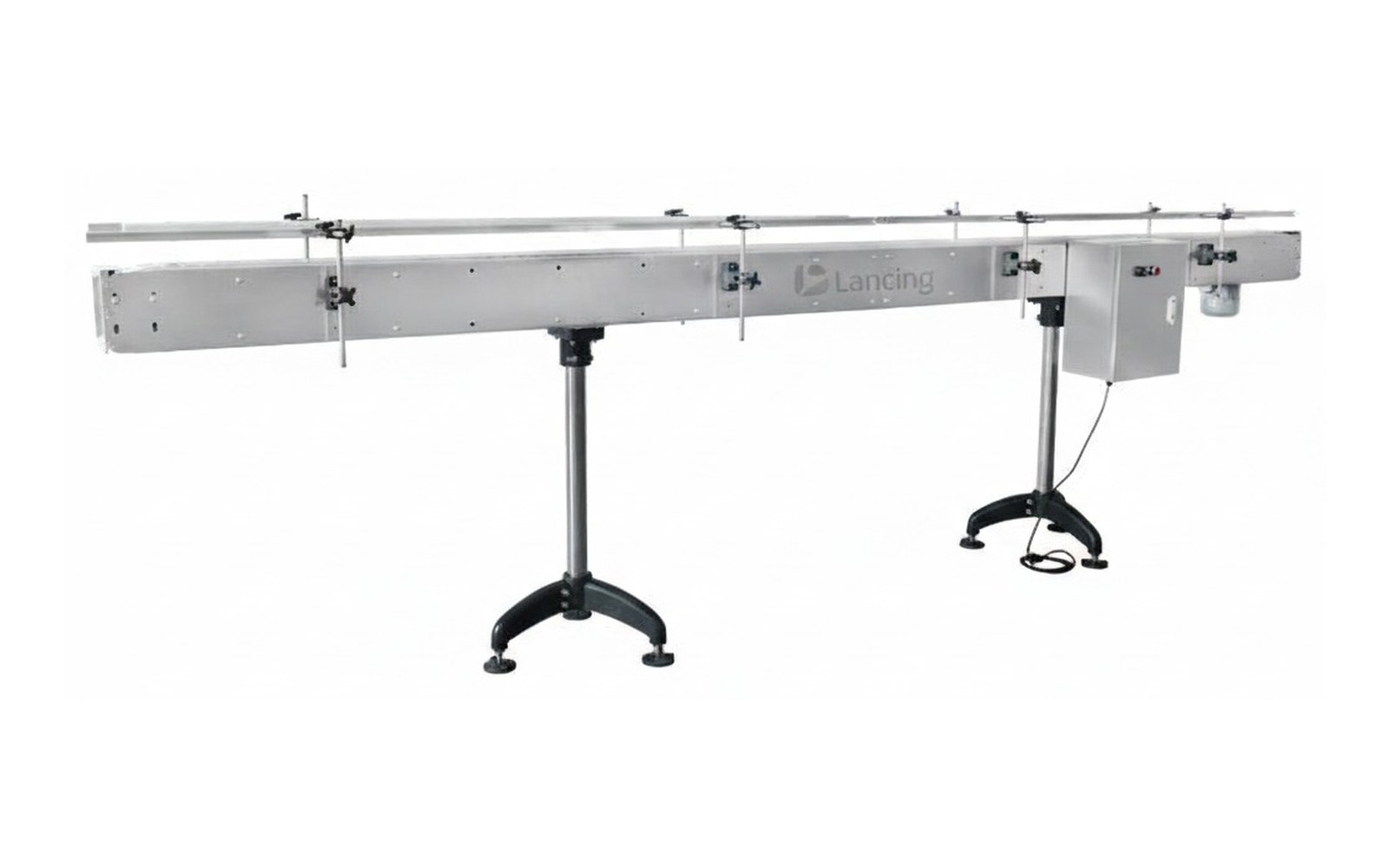
Small details at planning stage can prevent unstable transfers, awkward access and output issues later.
Confirm size, weight, base shape and stability before choosing the conveyor type.
Match conveyor height, speed and direction to the equipment on either side.
Keep room for loading, cleaning, adjustment, inspection and safe operation.
Decide whether the line needs accumulation to protect output during short stops.
These related pages help narrow down the conveyor type, layout and quote details.
Continue with practical conveyor information for your enquiry.
Open page →Continue with practical conveyor information for your enquiry.
Open page →Continue with practical conveyor information for your enquiry.
Open page →Clear answers for buyers comparing conveyor options and preparing an enquiry.
Ask how the conveyor will handle your product, where transfers happen, how guide rails adjust and how the conveyor will integrate with the machines on either side.
Yes. Many conveyor enquiries involve replacing, extending or improving an existing line where space and machine heights are already fixed.
A drawing helps, but a clear sketch with product details, machine positions and available space is enough to start the discussion.
Get practical conveyor advice based on the way your product needs to move through the line.