Where this helps
- Manual packing stations
- Inspection and collection areas
- End-of-line product handling
- Contract packing operations
Bring finished products to operators in a controlled way so inspection, collection and packing are easier to manage.
Packing areas need enough conveyor length, access and working space for operators to inspect, collate and pack products safely.
The conveyor route should match the flow of products coming from labelling, coding, inspection or accumulation equipment.
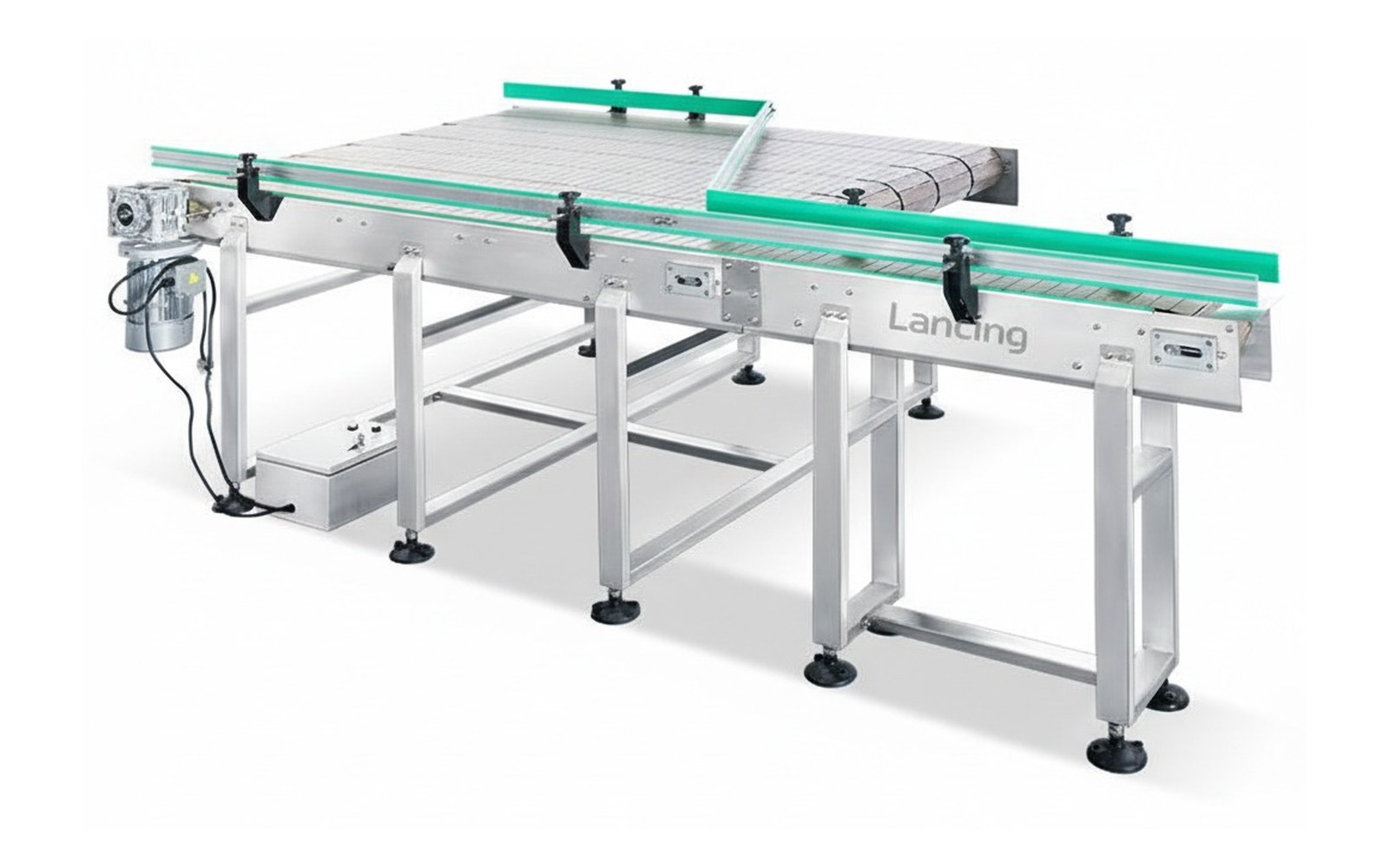
Small details at planning stage can prevent unstable transfers, awkward access and output issues later.
Confirm size, weight, base shape and stability before choosing the conveyor type.
Match conveyor height, speed and direction to the equipment on either side.
Keep room for loading, cleaning, adjustment, inspection and safe operation.
Decide whether the line needs accumulation to protect output during short stops.
These related pages help narrow down the conveyor type, layout and quote details.
Continue with practical conveyor information for your enquiry.
Open page →Continue with practical conveyor information for your enquiry.
Open page →Continue with practical conveyor information for your enquiry.
Open page →Clear answers for buyers comparing conveyor options and preparing an enquiry.
It is a conveyor or table arrangement that brings finished product to operators for checking, collating, boxing or packing.
Yes. A buffer can help when product arrives faster than operators can pack during short periods.
The height should suit the product, operator task and surrounding equipment, so it is normally confirmed during layout planning.
Get practical conveyor advice based on the way your product needs to move through the line.