Where this helps
- New packaging line design
- Existing conveyor layout improvements
- Machine-to-machine transfer planning
- Output and accumulation reviews
Plan the conveyor route around the product, machine positions, access points and the output you need from the line.
A conveyor can look simple until the product tips, jams at a transfer, blocks an operator route or cannot be cleaned properly. These details are best reviewed before equipment is ordered.
By sharing the line layout and product details early, you can compare conveyor types and decide where straight runs, bends, accumulation and access points should sit.
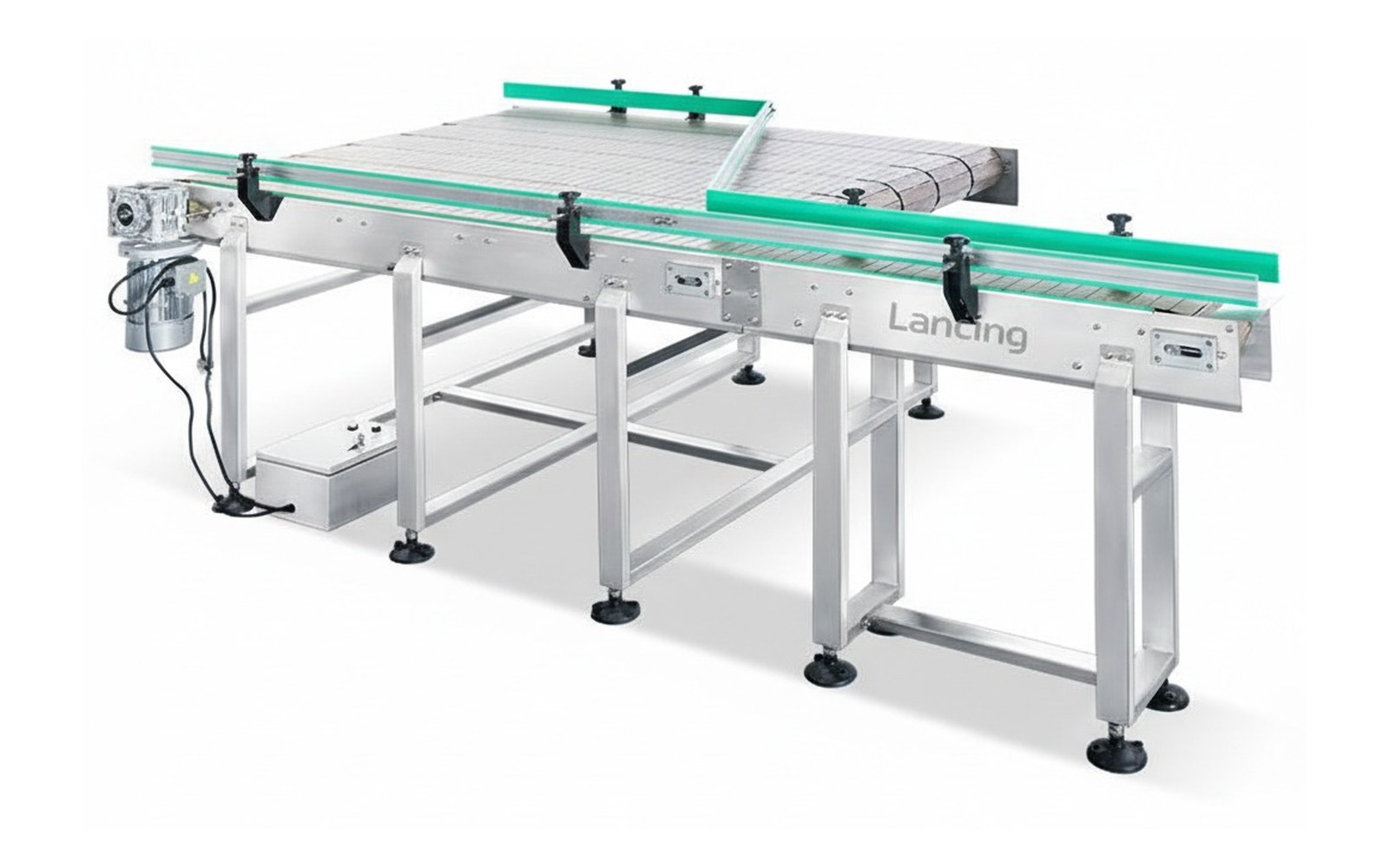
Small details at planning stage can prevent unstable transfers, awkward access and output issues later.
Confirm size, weight, base shape and stability before choosing the conveyor type.
Match conveyor height, speed and direction to the equipment on either side.
Keep room for loading, cleaning, adjustment, inspection and safe operation.
Decide whether the line needs accumulation to protect output during short stops.
These related pages help narrow down the conveyor type, layout and quote details.
Continue with practical conveyor information for your enquiry.
Open page →Continue with practical conveyor information for your enquiry.
Open page →Continue with practical conveyor information for your enquiry.
Open page →Clear answers for buyers comparing conveyor options and preparing an enquiry.
Conveyor design normally considers the product, route, height, speed, transfers, guide rails, controls, access, cleaning and integration with other machinery.
Yes. Existing machines often set the height, direction and access constraints that the conveyor layout must work around.
Poorly planned transfer points can cause unstable containers, damaged packs or jams between pieces of equipment.
Get practical conveyor advice based on the way your product needs to move through the line.
A layout drawing should show more than the conveyor centreline. For an indexing route, mark station datums and queue positions. For lane merging or dividing, show every incoming and outgoing path. For puck handling, include loading, unloading, return and carrier-buffer locations.
Review the distinct design records for indexing conveyors, lane merging and diverting and puck conveyor systems before fixing the footprint.
Assess the smallest, largest and least stable packs as they move between machines. Working height, gaps, guide arrangements and changes in speed can affect the transfer. Include starts, stops and accumulation in the assessment, and define how operators can clear routine issues safely within the agreed design.
Related guidance: puck conveyor systems · lane merging and diverting