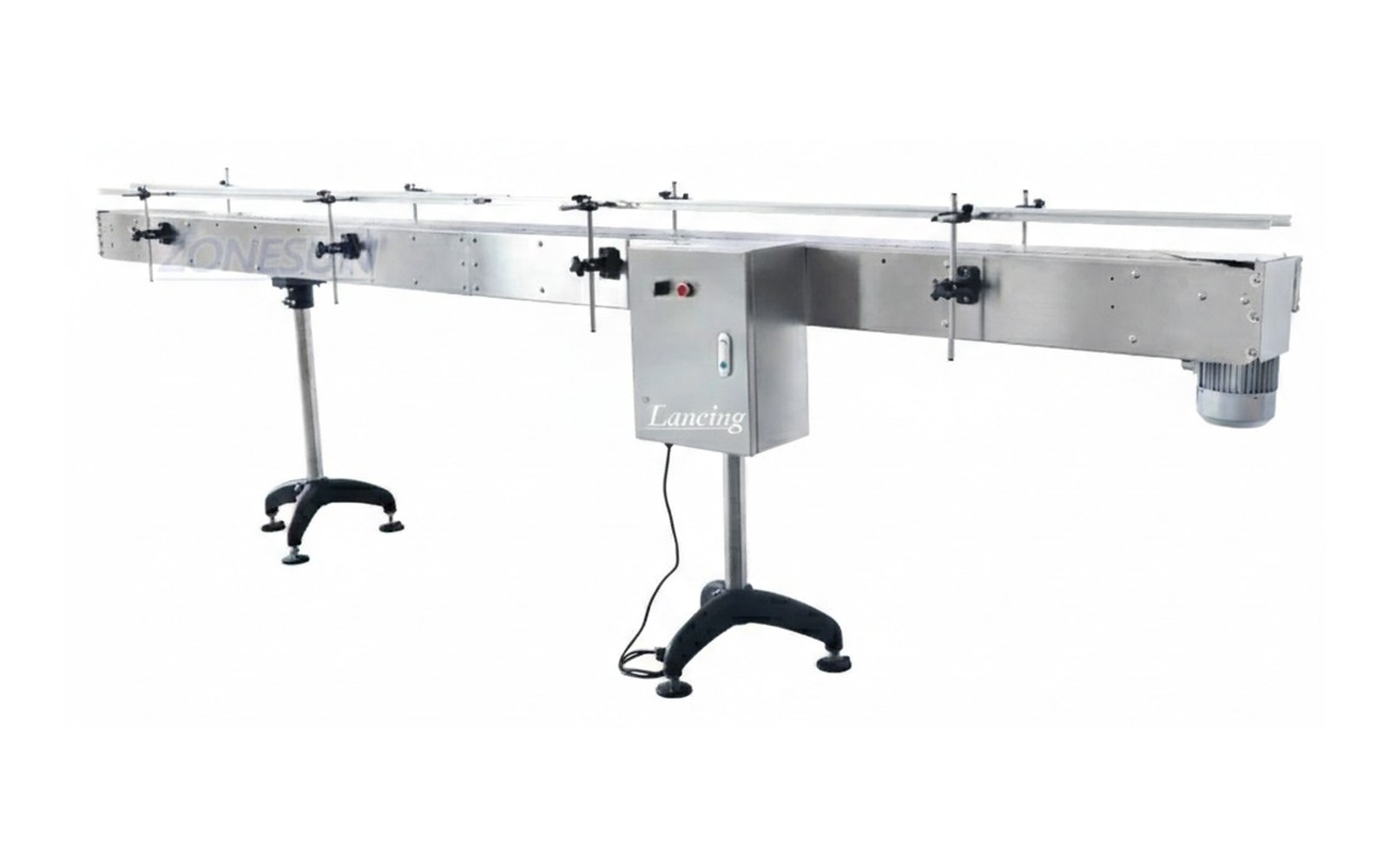
 General transfer
Belt conveyors
Clean, practical movement for cartons, bottles, tubs, trays and stable packaged goods.
Explore →Curved conveyors help production lines fit real factory space. They are useful where a straight line is impractical, but pack orientation, inside-radius speed and guide design must be planned carefully.
Curved conveyors help production lines fit real factory space. They are useful where a straight line is impractical, but pack orientation, inside-radius speed and guide design must be planned carefully.
A conveyor quote is more accurate when pack samples, layout drawings and target output are supplied with the enquiry.
Conveyor selection works best when transfer, accumulation and machine interfaces are planned together.
General transfer
Clean, practical movement for cartons, bottles, tubs, trays and stable packaged goods.
Explore →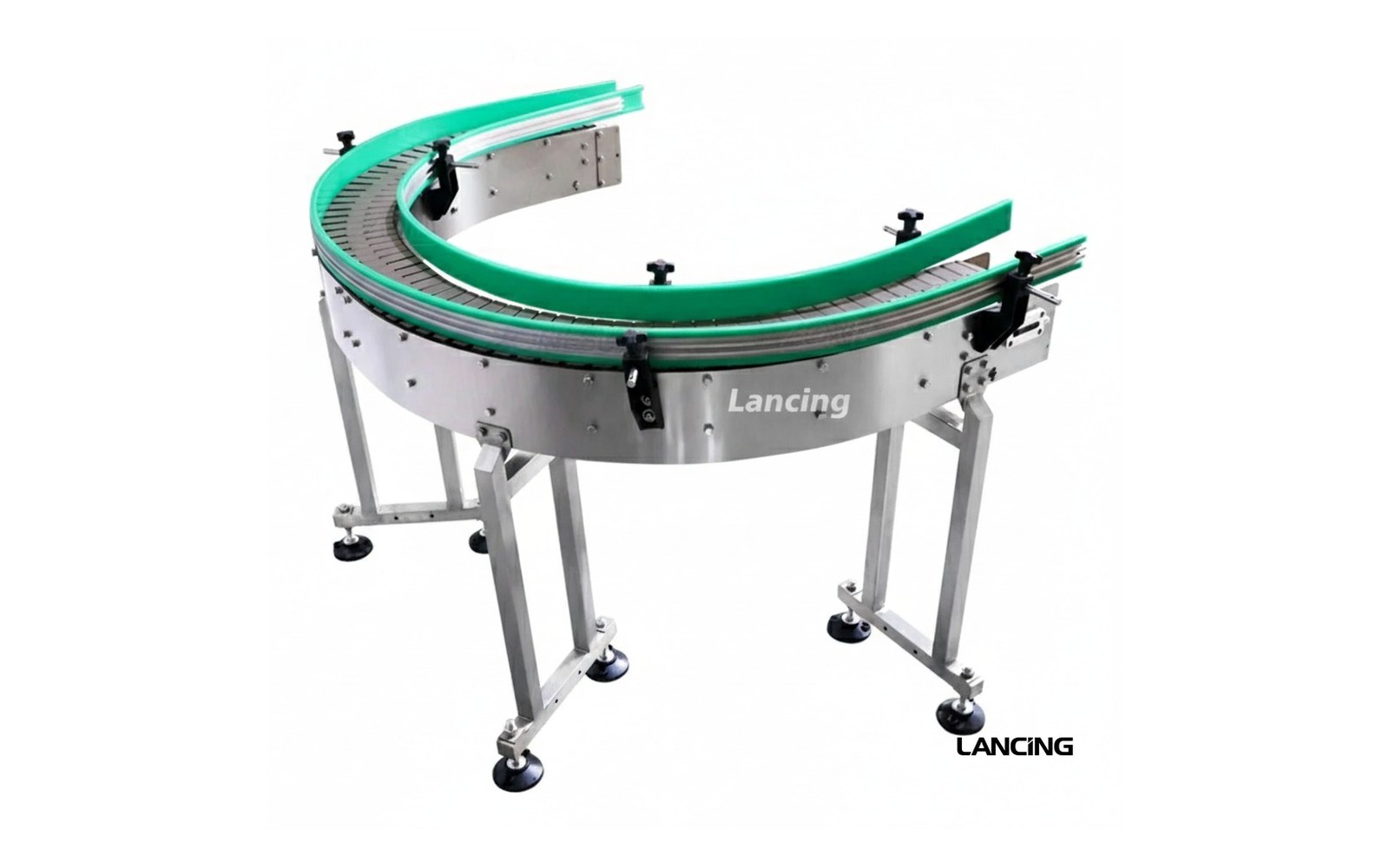 Bottle lines
Stable inline handling for bottles, jars and containers moving through filling, capping and labelling.
Explore →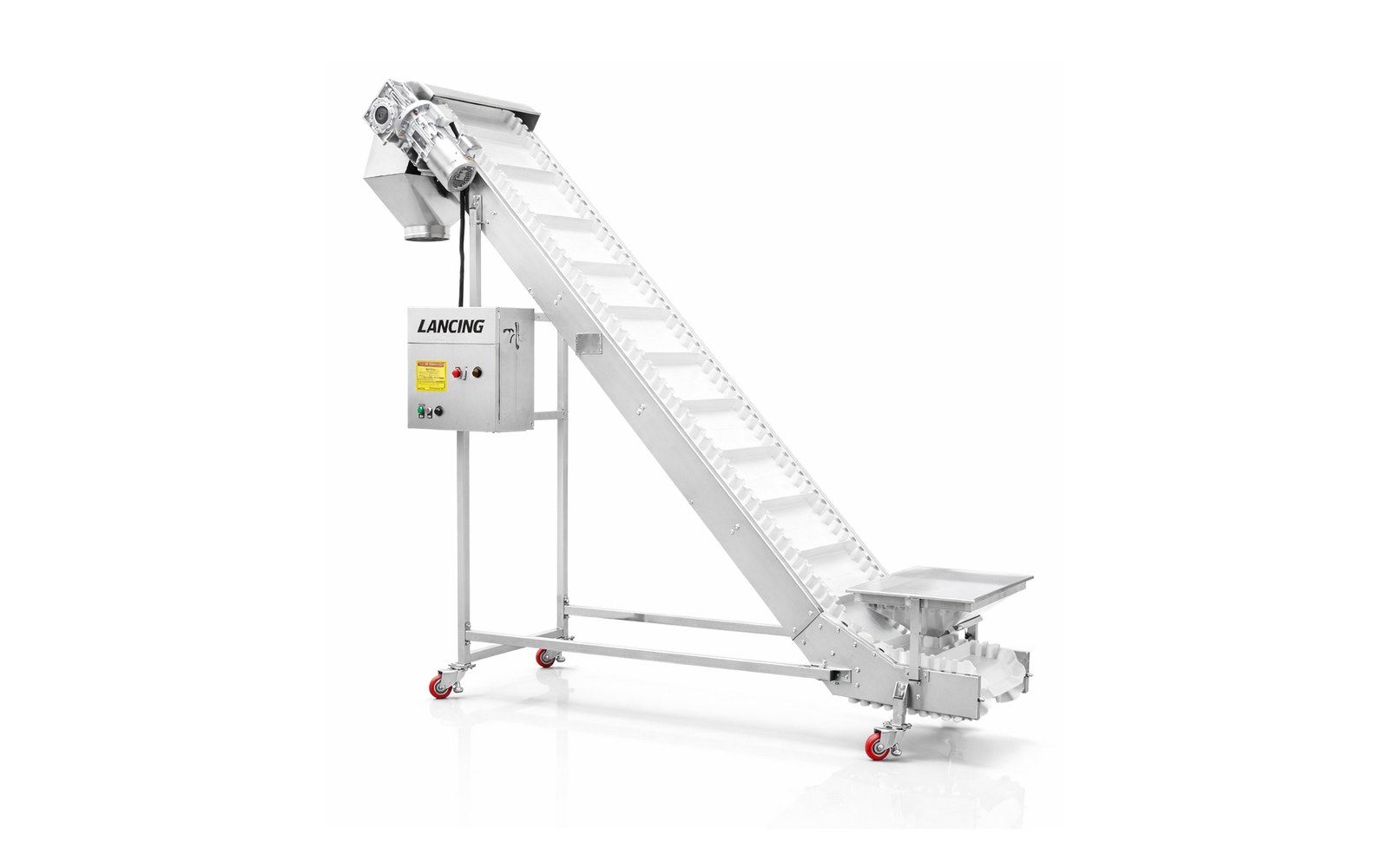 Elevation changes
Move packs between levels with belts, cleats, grip surfaces and layout support for safe transfer.
Explore →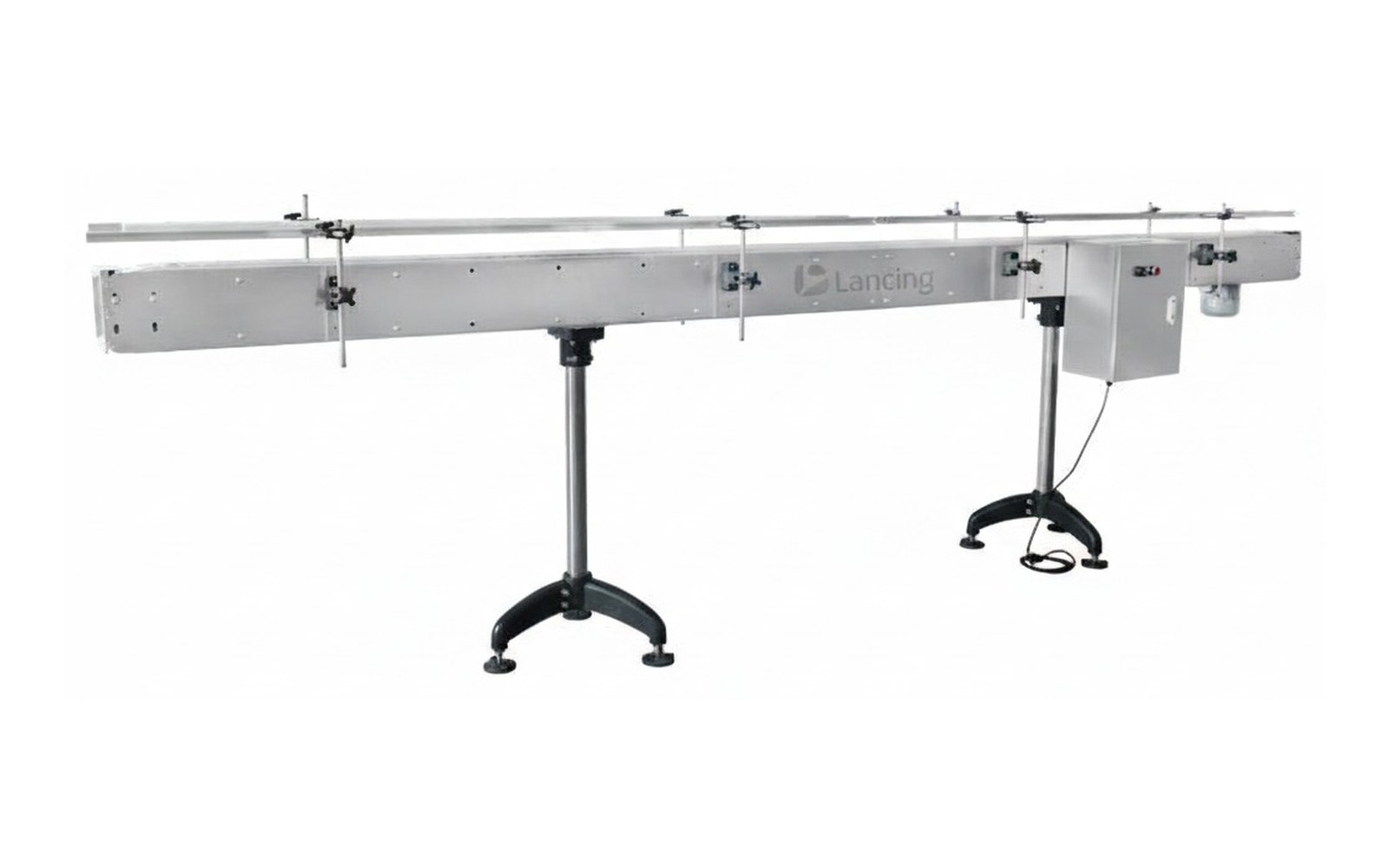 Compare your options
Check pack stability, transfers, widths, speeds, accumulation and integration before choosing a conveyor.
Explore →Clear answers for choosing conveyor options, planning a line layout and preparing quote details.
Use a curved conveyor when you need to change the direction of product flow while keeping movement controlled and operator access practical.
Yes, provided the bottle is stable and the guide rails, chain or belt and transfer points are designed around the container.
Send pack dimensions, filled weight, line speed, available footprint, infeed and outfeed heights, photos of the existing line and details of connected machines.
Send your product details, line speed and available space to get advice on the conveyor route that fits your packaging line.
Curved conveyors change the line direction while maintaining automated product flow. The required turn angle does not define the complete conveyor. Radius, belt or chain path, speed, product centre of gravity, inner and outer guide contact, lane width and the entry and exit transfers all affect stability.
Bottles and jars may suit a guided slat or tabletop chain bend. Cartons, trays and packs may use a curved belt or another powered route where their base and orientation remain controlled. The choice should be based on the product, not only the floor plan.
A tall product tends to load the outer guide as it follows a bend, particularly at higher speed or small radius. A wide carton can change orientation or see different inner and outer path lengths. Flexible packs can distort against guides. Use a plan-view product envelope and test the limiting formats through the entry, centre and exit of the curve.
Guide rails should transition smoothly from straight to curved sections and contact a stable part of the product. The design should avoid catching labels, handles, triggers or closures. Where orientation must be preserved for a downstream machine, record the allowable rotation and the datum face.
A compact curve can improve the product route while making cleaning, drive access, guarding or operator movement worse. Show the complete machine envelope, not only the chain or belt centreline. Keep access to sensors, guide adjustments, tensioning and transfer points.
For a 180-degree return or U-shaped line, check whether operators work inside or outside the loop and how material, rejects and maintenance parts are moved. Use the layout checklist and the 180-degree turn guidance before fixing the route.
| Specification field | Project definition | Verification |
|---|---|---|
| Turn angle and radius | Required direction change, centreline and available envelope. | Measured layout and product-path drawing. |
| Product range | Base, height, width, weight, centre of gravity and orientation. | Limiting samples and product envelope. |
| Conveyor surface | Slat, belt or other support suited to route, cleaning and transfers. | Application and sample trial. |
| Usable width and lane | Inner/outer clearances, tracking and guide adjustment. | Full format range through the curve. |
| Guide geometry | Contact height, transition, inner/outer profiles and sensitive surfaces. | Slow-speed and target-speed trial. |
| Speed and drive | Normal range, acceleration, drive location and control method. | Line-rate schedule and stability test. |
| Entry and exit transfers | Gap, level, speed and orientation at adjoining equipment. | Dimensioned interface detail. |
| Access, cleaning and guarding | Reach, removal path, spill areas and moving-part protection. | Layout and risk review. |
| Ingress protection | Exposure to water, dust or chemicals at drive, sensors and controls. | Environmental assessment. |
Run the least stable product at the agreed speed through repeated curves, not only one pass. Include close product spacing if the line can accumulate before the bend. Observe rotation, guide impact, leaning, skew and the discharge orientation expected by the next machine.
Test restart with products positioned at the entry, centre and exit of the curve. A line may run well continuously but destabilise products when acceleration resumes. Where products are fragile or decorated, inspect for damage and marking after the agreed test duration.
For general curved handling beyond packaging-machine interfaces, compare the broader catalogue on Powered Conveyors UK.
These answers define the evidence needed for a reliable specification and quotation.
Yes, using a suitable curved conveyor or transfer arrangement. The radius, support surface, guide geometry and speed must suit the product and preserve the required orientation.
A small radius, high speed, high centre of gravity, poor guide height, sudden entry or excessive product pressure can contribute. The actual cause should be confirmed with samples and the complete line state.
They can if inner and outer path speeds, guide contact or base friction change their orientation. The required downstream face should be stated and checked during the trial.
No. A larger radius may improve stability, access and cleaning. The route should balance footprint with product behaviour and the installed maintenance envelope.
Use the limiting products at the agreed speed and spacing, then test loaded stop and restart, guide contact, orientation, transfer and any product damage over a recorded run.
A curve changes the path length and contact forces across the product. Tall bottles, soft packs and close-spaced products may lean, rotate or compress even when straight running is stable.
Record the orientation before the curve and after discharge. Check guide contact on both sides, the transition into the bend and the speed relationship with adjoining straight sections. Repeat the test after a stop so the effect of product pressure is visible.
Where orientation matters for labelling, coding or inspection, define the acceptable angular movement rather than assuming the curve will preserve presentation. The trial should use the smallest base, highest centre of gravity and any decorated surface that cannot tolerate rubbing.
Use the speed and spacing guide and sample-trial guide before freezing the bend.