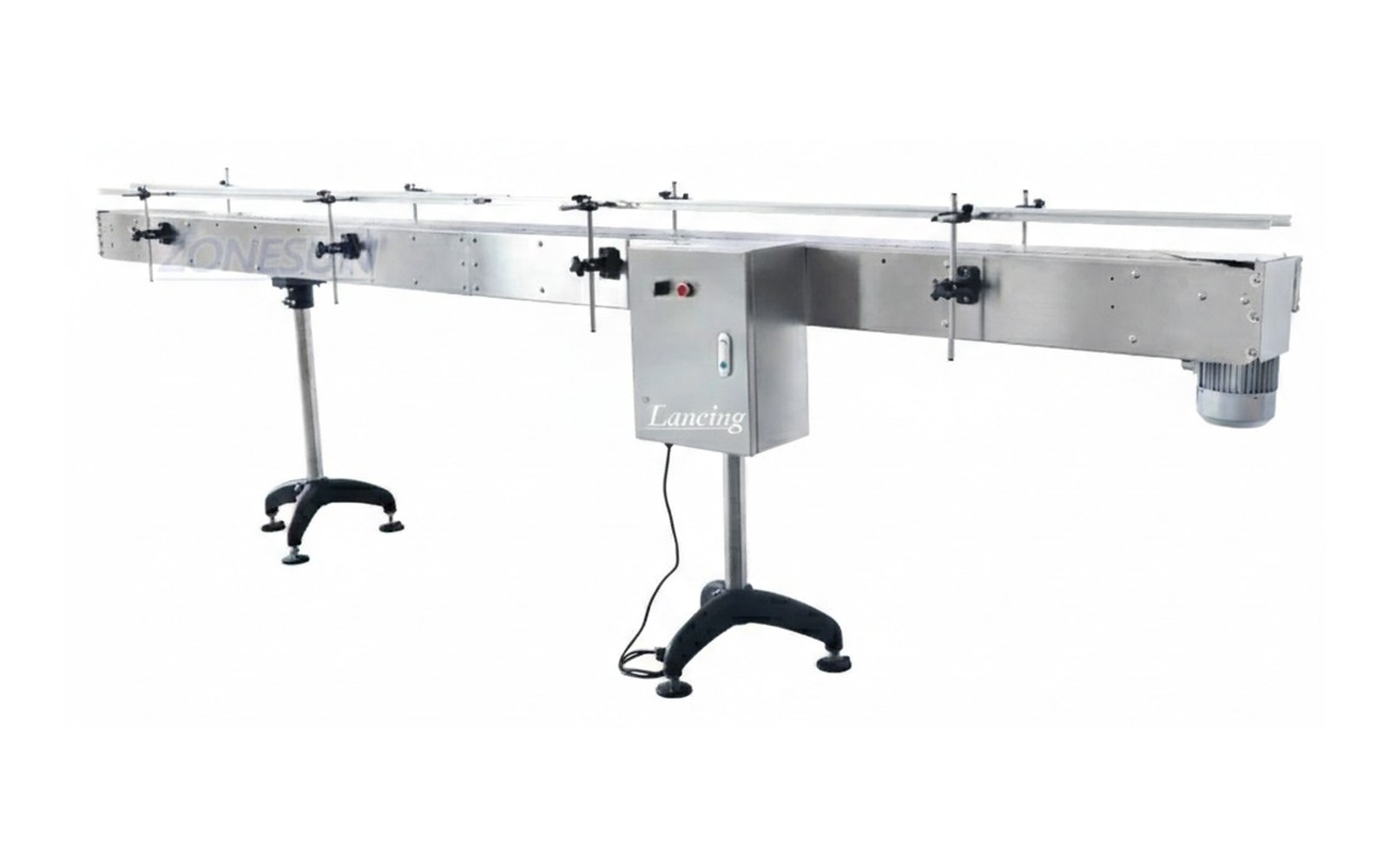
 General transfer
Belt conveyors
Clean, practical movement for cartons, bottles, tubs, trays and stable packaged goods.
Explore →Incline conveyors move packs between different heights without turning a simple transfer into a manual handling problem. The incline angle, belt grip, cleat pitch, pack stability and transfer design need to be assessed together.
Incline conveyors move packs between different heights without turning a simple transfer into a manual handling problem. The incline angle, belt grip, cleat pitch, pack stability and transfer design need to be assessed together.
A conveyor quote is more accurate when pack samples, layout drawings and target output are supplied with the enquiry.
Conveyor selection works best when transfer, accumulation and machine interfaces are planned together.
General transfer
Clean, practical movement for cartons, bottles, tubs, trays and stable packaged goods.
Explore →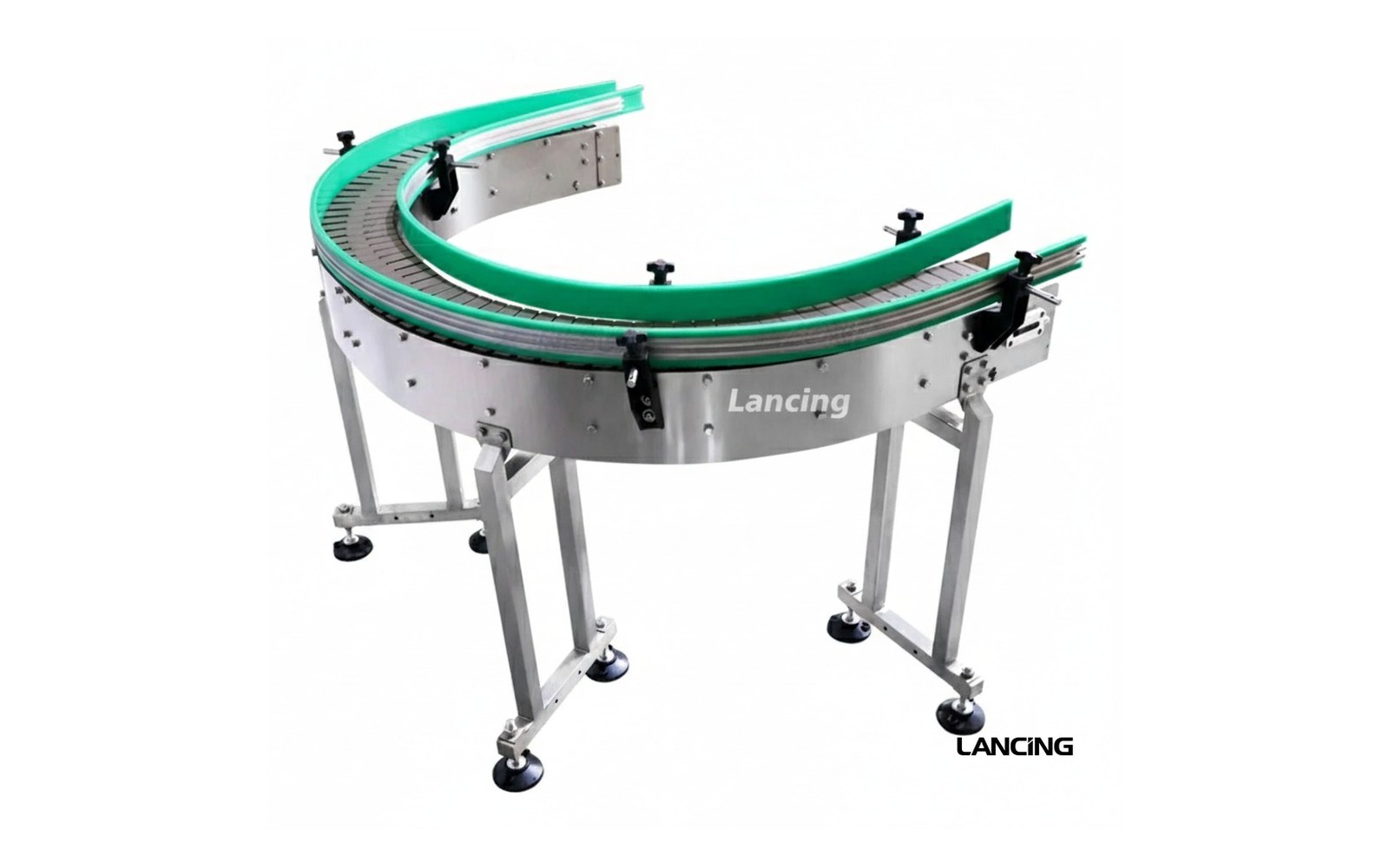 Bottle lines
Stable inline handling for bottles, jars and containers moving through filling, capping and labelling.
Explore →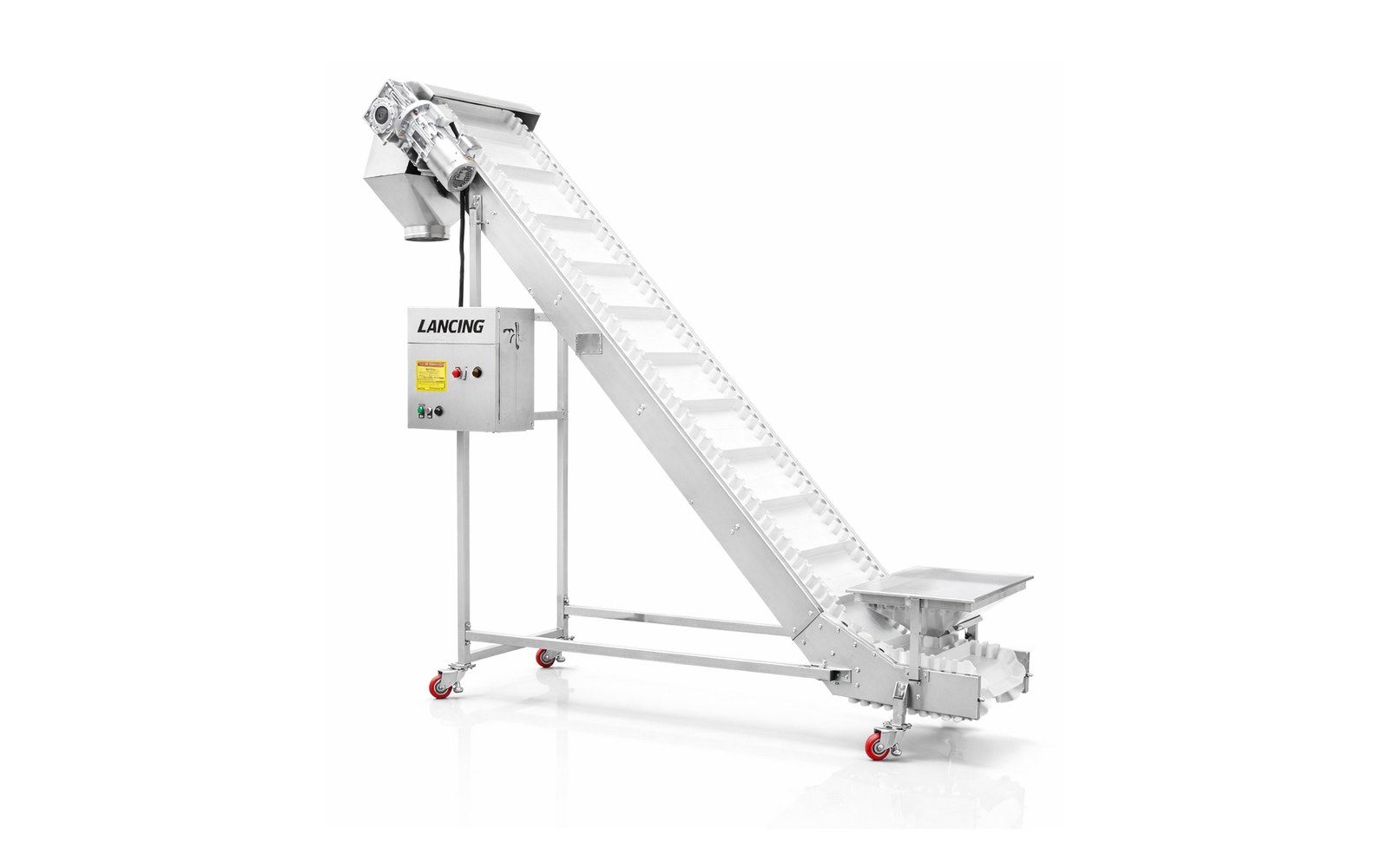 Elevation changes
Move packs between levels with belts, cleats, grip surfaces and layout support for safe transfer.
Explore → Compare your options
Check pack stability, transfers, widths, speeds, accumulation and integration before choosing a conveyor.
Explore →Clear answers for choosing conveyor options, planning a line layout and preparing quote details.
The practical angle depends on pack shape, weight, belt grip, cleats, containment and whether the item can move without sliding or tipping.
Yes, but the outfeed height, spacing and transfer into the next machine should be confirmed early.
Send pack dimensions, filled weight, line speed, available footprint, infeed and outfeed heights, photos of the existing line and details of connected machines.
Send your product details, line speed and available space to get advice on the conveyor route that fits your packaging line.
Incline conveyors move products between working heights, but the rise is only one part of the design. The product must enter the incline, remain controlled on the belt or chain and leave at the upper or lower transition without sliding, rolling, tipping or colliding. Product surface, centre of gravity, spacing and the available horizontal run all affect the route.
A cleated belt, high-grip surface, side guide or pocketed arrangement may be considered according to the product. The selection must not trap the pack, damage a seal or create an unsafe rollback condition. Use real samples at the intended loaded condition.
A theoretical friction check can help shortlist the route, but production behaviour also includes acceleration, vibration, contamination, pack variation and transition geometry. The steepest possible angle is rarely the only objective; a shallower route may improve stability, cleaning and maintenance even if it uses more floor space.
Cleat pitch and height should suit the product length and required spacing. A cleat that is too low may not control rollback, while a cleat or pocket that is too high can interfere with discharge or cleaning. Side guides should support the product without carrying its full load or creating excessive friction.
At the entry, products may move from a level conveyor onto a changing angle. At discharge, the product may leave the belt before the supporting surface has fully transitioned. Draw both profiles with the product outline and check the support under the complete base or relevant contact points.
If the product cannot remain stable at the required angle, compare a longer route, a different belt or cleat arrangement, a side-grip conveyor, a bucket or elevator concept, or a change to the line layout. General incline and materials-handling routes are also covered by Powered Conveyors UK.
| Specification field | Project definition | Verification |
|---|---|---|
| Rise, run and angle | Lower and upper datums, available floor length and transition space. | Measured layout and geometry review. |
| Product range and load | Dimensions, weight, centre of gravity, base and allowable contact. | Representative samples in operating condition. |
| Belt, chain or grip surface | Friction, support, cleaning, marking and wear requirements. | Product and cleaning trial. |
| Cleats or pockets | Height, pitch, shape, product spacing and discharge clearance. | Full format range at required rate. |
| Side guides | Contact points, adjustment and containment through transitions. | Least stable and widest formats. |
| Speed, drive and braking | Rate, acceleration, drive position, control and rollback response. | Controls and risk review. |
| Entry and discharge transfers | Support, gap, level and speed relationship. | Dimensioned profiles and sample test. |
| Cleaning and drainage | Access to belt, cleats, return and spill paths. | Site cleaning procedure. |
| Guarding and ingress protection | Falling-product risk, nip points, environment and maintenance access. | Project risk and environmental assessment. |
If the operating environment can leave water, oil, powder or product residue on the belt or pack, include the relevant safe condition in the review. A clean dry sample may overstate available grip. Do not reproduce a hazardous condition without an agreed safe test method.
Commissioning should include normal running, stop on the incline, controlled restart and discharge at the agreed rate. Observe product rollback, cleat engagement, guide contact and spacing. The drive, tensioning, belt return, cleats, guards and sensors should remain accessible for inspection and replacement.
For a route that changes direction rather than height, compare curved conveyors. For general flat transfer, return to belt conveyors.
These answers define the evidence needed for a reliable specification and quotation.
The acceptable angle depends on product stability, surface friction, belt or cleat design, speed and transitions. It must be confirmed with the least stable product and relevant operating condition.
Cleats may be needed when belt friction alone cannot maintain position or spacing. Their height and pitch must support the product without causing interference at entry, discharge or cleaning.
Some bottles can, but tall or narrow containers are sensitive to acceleration and angle. Side grip or another controlled route may be more suitable when base support does not provide stable elevation.
The design and control system should prevent uncontrolled rollback or product fall and allow a controlled restart. The exact response depends on the drive, belt, product and project risk assessment.
The product changes support geometry at the lower and upper ends. Poor transitions can cause tipping, catching, impact or loss of spacing even when the product is stable on the main incline.
Inclines introduce acceleration, gravity and a change in product attitude. The same pack can behave differently while rising, descending, entering the incline and leaving it at the next level.
Use the limiting pack at representative weight and surface condition. Observe slip, rollback, tipping, product-to-cleat contact and the discharge into the following conveyor or machine. A wet, dusty or flexible pack may require a different trial condition from a clean rigid sample.
The installed route must also permit safe cleaning and maintenance around the high and low ends, drive, return and any guarding. Confirm how jams are detected and how the line is isolated before intervention.
Plan the test through the sample-trial guide and coordinate access using the guarding and safety-interface guide.