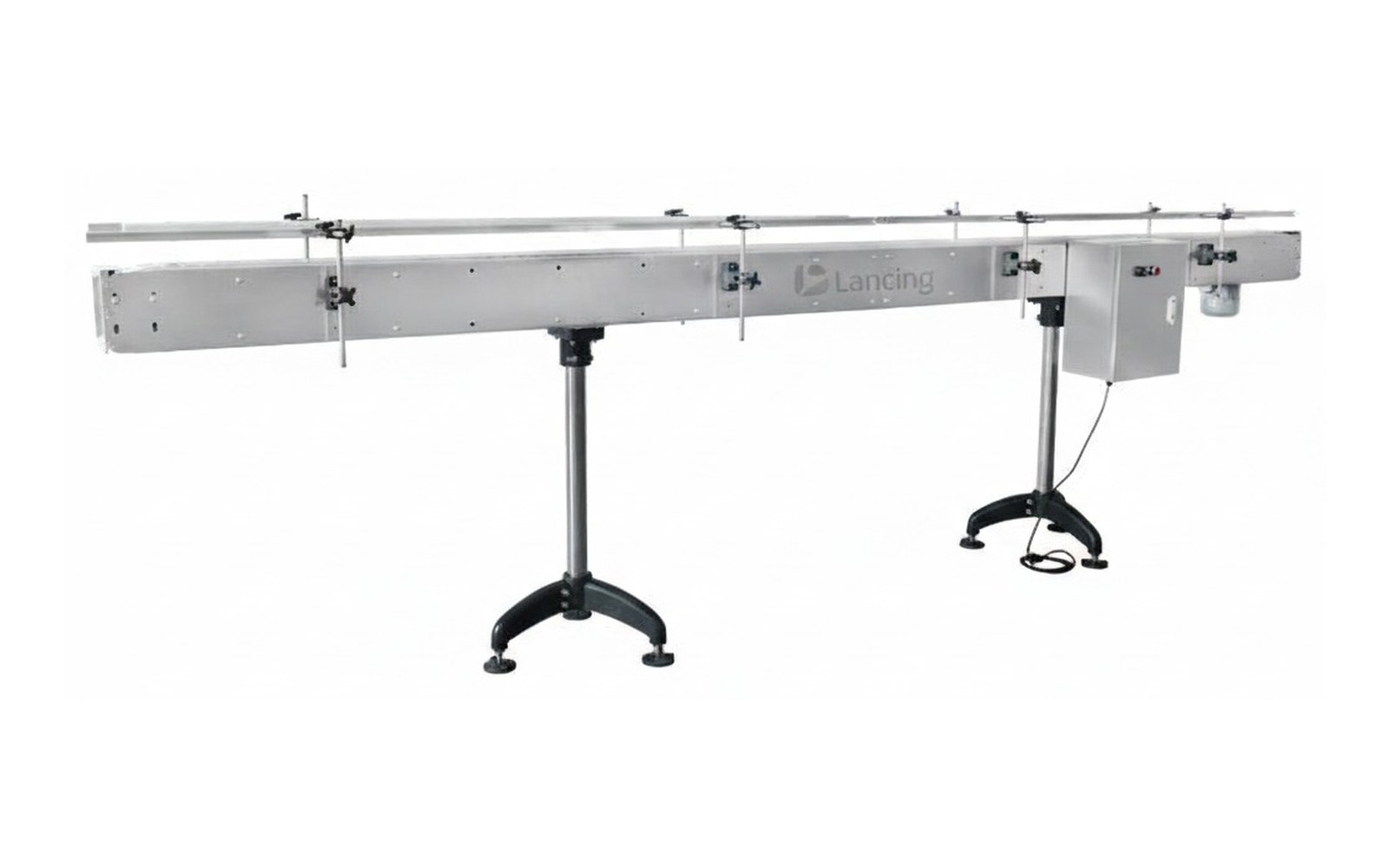
 Layout
Line layout planning
Clarify footprint, direction of travel, access, cleaning, machine heights and space for future change before equipment is ordered.
Get support with conveyor specification, production-line layout, infeed and outfeed interfaces, installation, commissioning, changeovers and aftercare.
Your conveyor project needs practical layout planning, machine-interface checks and production support. Confirming those details early helps keep pricing, installation, commissioning and handover smoother.
LayoutClarify footprint, direction of travel, access, cleaning, machine heights and space for future change before equipment is ordered.
 Integration
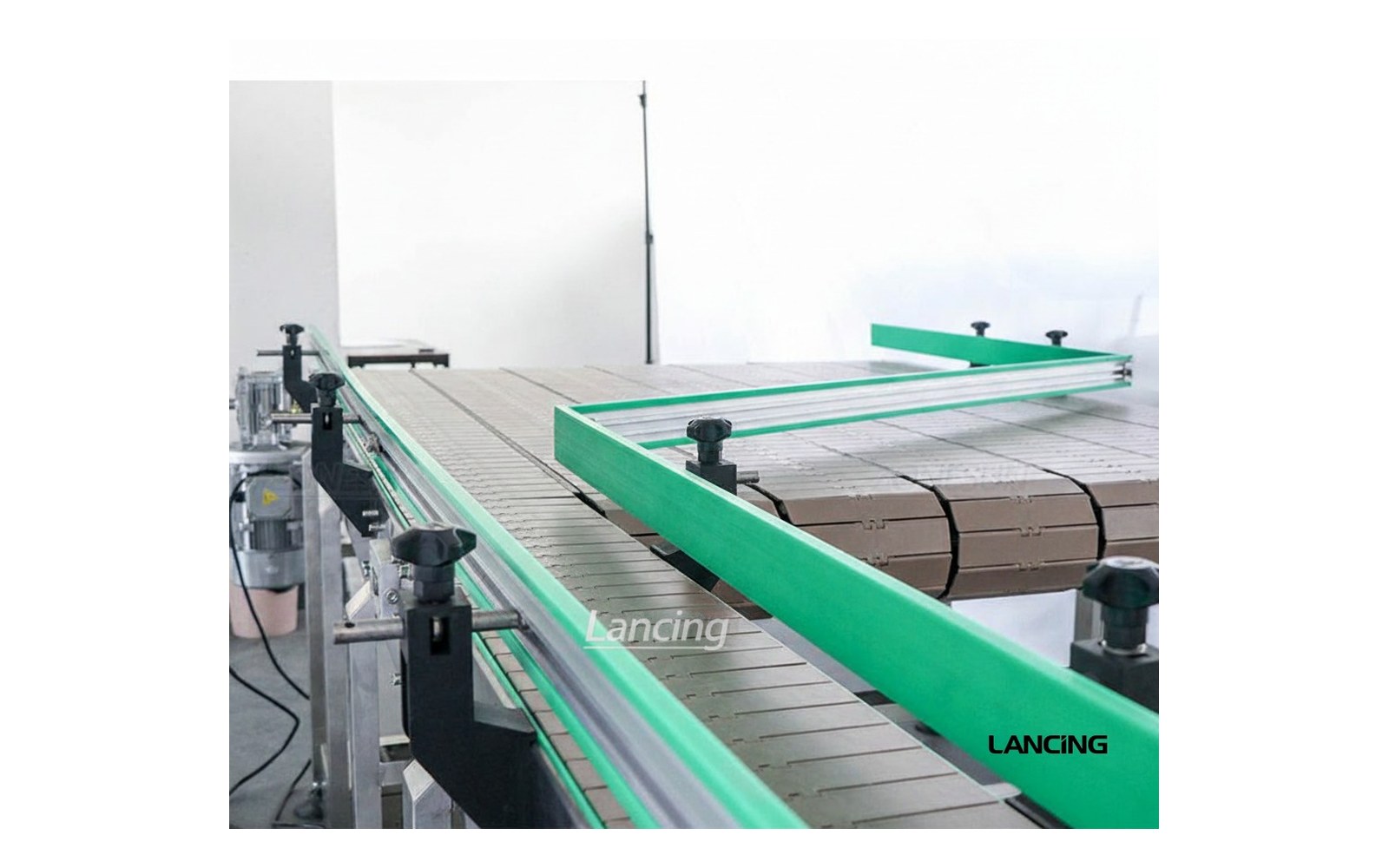
Plan the infeed and outfeed points around fillers, cappers, labellers, coders, inspection systems and packing stations.
 Installation
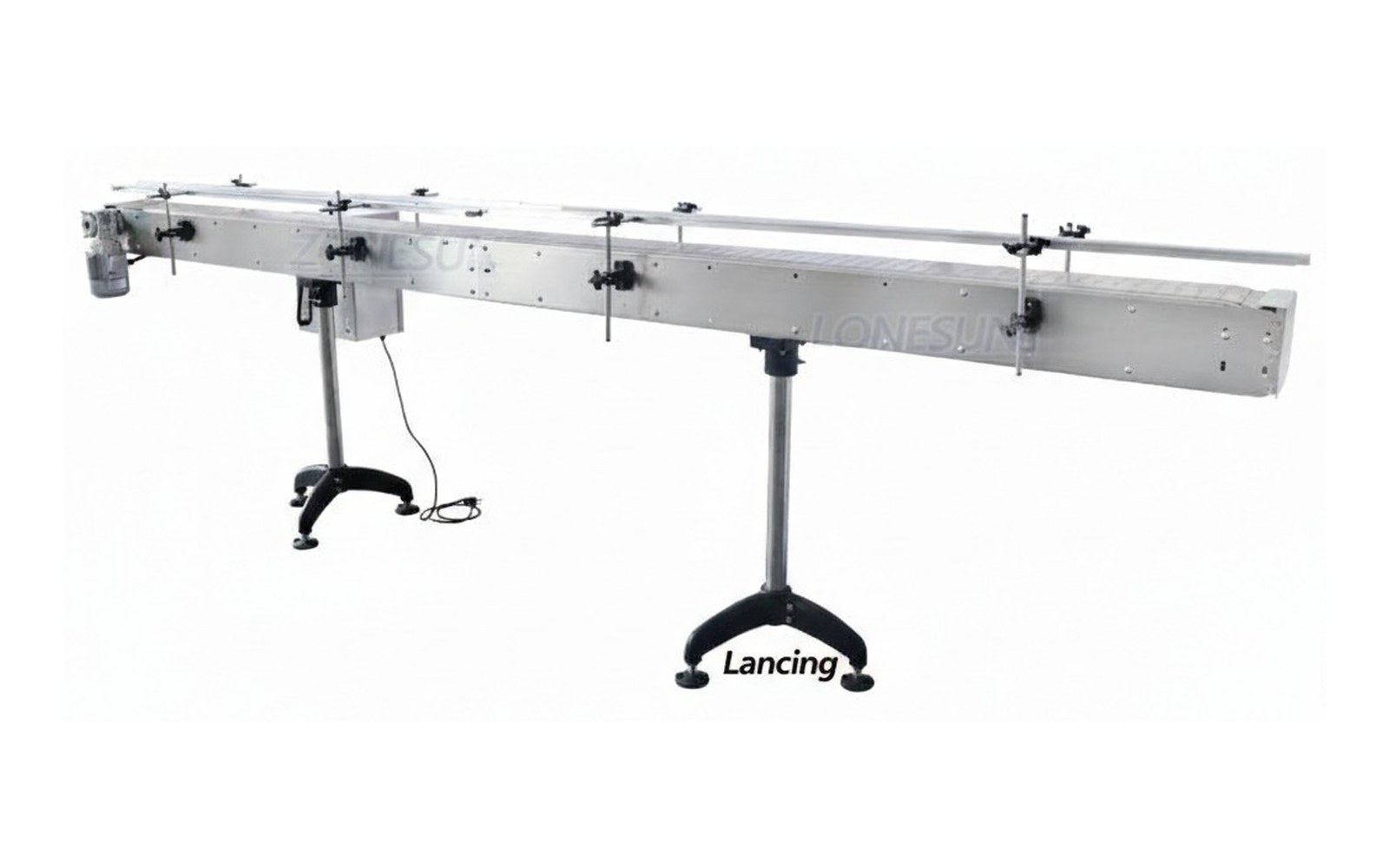
Get practical installation support so your conveyor is positioned, commissioned and handed over with sensible operator access.
 Changeover
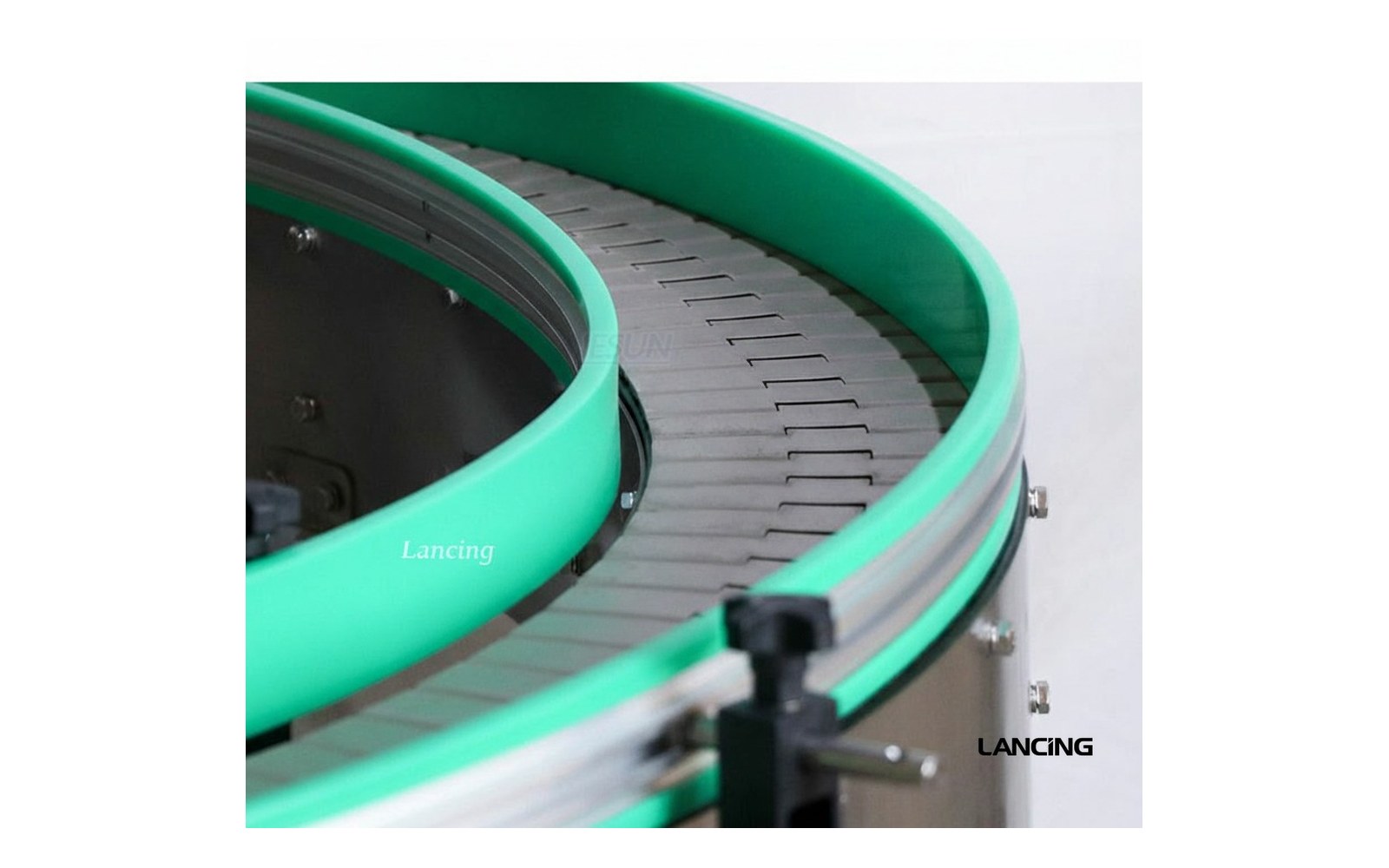
Review guide rails, belts, side transfers and settings when one line needs to run multiple bottles, cartons or pack formats.
 Aftercare
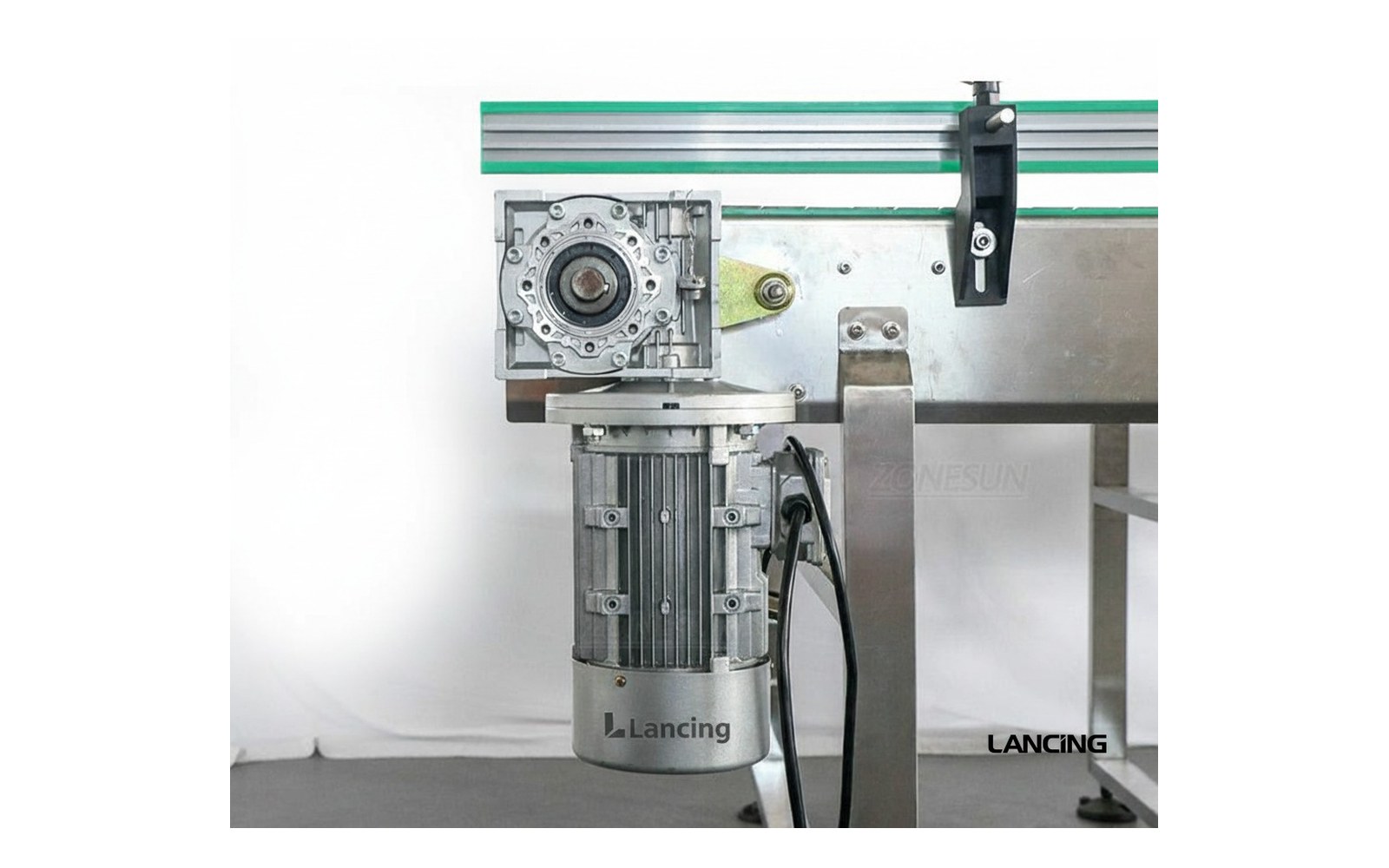
Identify wearable items, belts, chains, guides, sensors and parts that should be considered for line reliability.
 Enquiry
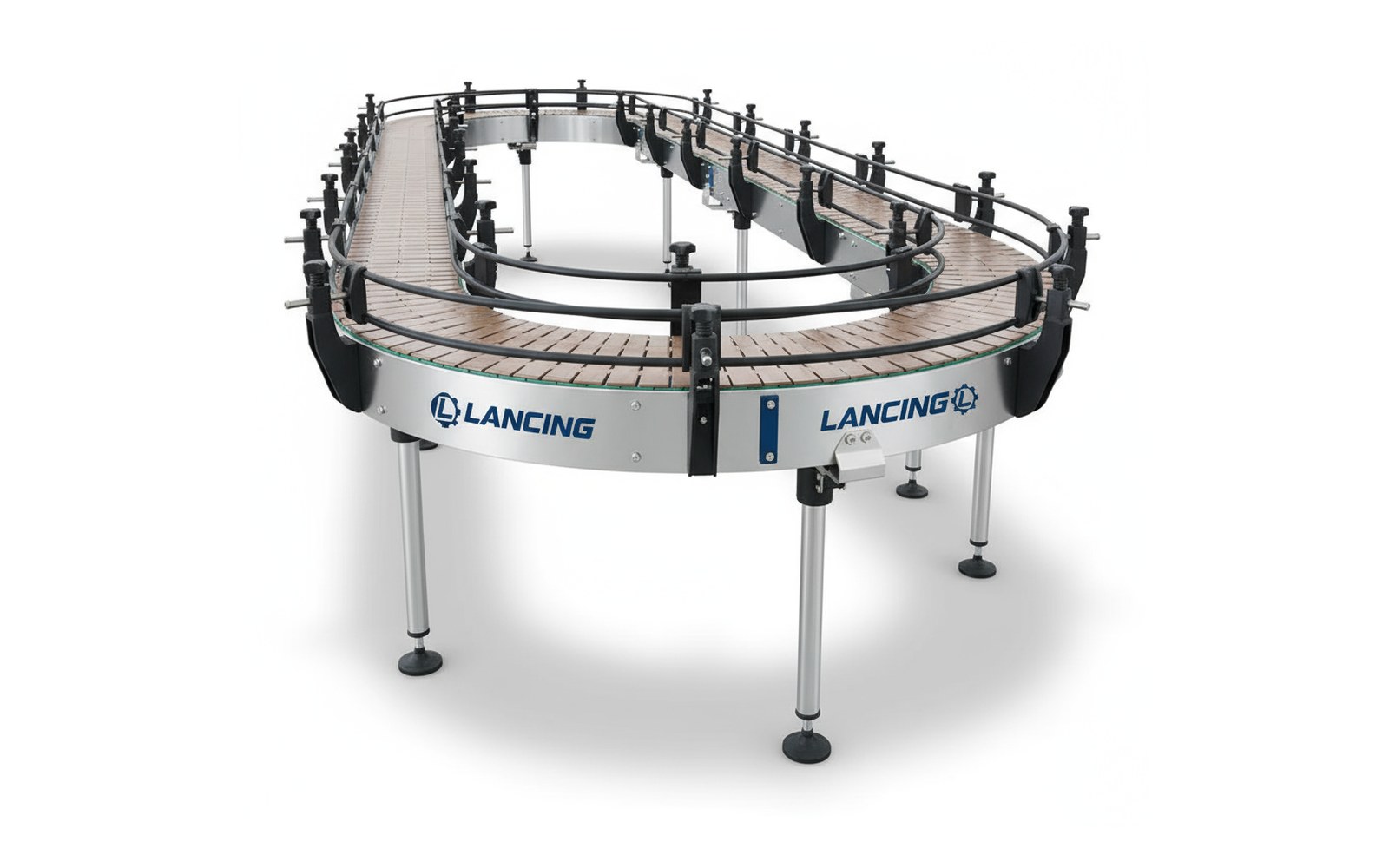
Share the checklist details — pack size, layout limits and target output — so technical advice and pricing are more accurate.
Even a simple conveyor can create problems if height, transfer, access or buffer space is wrong. Treat it as part of the line, not a separate purchase.
Clear answers for choosing conveyor options, planning a line layout and preparing quote details.
Yes. A useful starting point is a floor plan or sketch showing machinery, product flow, available space and operator access.
Yes. Conveyor supply can be supported with installation, commissioning and handover depending on project scope.
Send your product details, line speed and available space to get advice on the conveyor route that fits your packaging line.
A reliable conveyor project needs more than equipment selection. The scope should show how the line is measured, how machine interfaces are agreed, what is included in installation, and how the final result will be tested with production samples. Clear ownership at each stage reduces late changes and prevents controls, guarding or transfer work being left between suppliers.
Lancing support can be discussed around the project stages already shown on this page. For a complete multi-machine line rather than a conveyor-only project, use Packaging Line Integration as the wider specification route.
The controlled set should include the product schedule, required good output, measured layout, machine-interface list, electrical and pneumatic services, cleaning environment, safety boundaries, acceptance plan and revision status. Each drawing or schedule should carry the same project reference so that an old height or product format is not used after the design changes.
An as-built survey should record floor and working-height datums, direction of flow, machine envelopes, drive and access positions, columns, doors, drains, operator routes and services. Photographs are useful, but they do not replace dimensions. Use the layout checklist to prepare the survey.
The installation scope should identify unloading, positioning, levelling, fixing, mechanical connection, electrical supply, control cabling, guarding, waste removal, product availability and production support. Where work is by others, record the required completion date and acceptance evidence.
Commissioning should prove the agreed sequence with actual products. A handover record can include format settings, sensor positions, VFD parameters, routine inspection points, cleaning access, spare and wear parts, operator familiarisation and outstanding actions. It should not claim performance outside the agreed samples and test conditions.
| Stage | Controlled output | Decision it supports |
|---|---|---|
| Application review | Product schedule, line rate, process sequence and acceptance need. | Whether the conveyor route and scope are suitable. |
| Site survey | Measured layout, heights, services, access, guarding boundaries and photographs. | Whether the equipment can be installed and maintained in the real space. |
| Interface design | Transfer drawing, controls schedule, signal list and responsibility matrix. | Whether adjacent machines will start, stop and recover correctly. |
| Installation | Position, level, fixings, services, guards and pre-start checks. | Whether commissioning can begin safely and without missing work. |
| Commissioning and handover | Recorded product trial, settings, training points, spares and action list. | Whether the agreed duty has been demonstrated and accepted. |
The spare-parts schedule should follow the final design rather than a generic conveyor list. Identify the exact belt or chain, wear strips, bearings, drive components, sensors, guide parts and change parts used. Record manufacturer references where available and distinguish consumable, wear, recommended and critical spares.
Maintenance access should be reviewed on the layout before installation. Check whether a belt or chain can be removed, whether a sensor can be adjusted, whether a motor can be lifted and whether guards can be opened without moving another machine. The dedicated maintenance-access page gives a deeper checklist.
These answers define the evidence needed for a reliable specification and quotation.
Agree the product range, intended line rate, machine sequence, survey area and which existing equipment can be stopped or accessed. The survey should then capture dimensions and interface evidence against that brief.
It uses the agreed product samples, operating rate, machine states and test sequence, and records the outcome. A short unloaded run or an undefined peak speed does not prove the production duty.
A conveyor project is easier to deliver when the product, layout, machine interfaces and acceptance states remain controlled from enquiry to handover.
The sample trial should prove product contact and transfer assumptions. The controls schedule should define every normal and abnormal line state. The guarding review should assign interface ownership, and the FAT/SAT plan should state what can be proved before delivery and what requires the installed line.
During commissioning, record final guide positions, speeds, sensor settings, cleaning access and any outstanding limitations. This creates a practical basis for operator instruction, maintenance and future change control.
Use the sample-trial guide, controls guide, guarding guide, FAT/SAT checklist and troubleshooting guide.
Commissioning should leave more than a running conveyor. Record the fitted belt or chain, drive, sensors, guide settings, control states, guarding interfaces and critical spare references. This information reduces uncertainty when a format is changed or a component is replaced.
The critical-spares and maintenance guide explains the classification, storage and return-to-service evidence. Use the sensor guide where production depends on product-present, counting or trigger signals.
Indexing, merging, diverting and puck-return systems cross mechanical, electrical, controls and machine-interface boundaries. The project record should identify who owns each sensor, actuator, station permission, destination state and restart sequence.
Use the indexing conveyor guide, lane-control guide and puck conveyor guide to prepare the application evidence before a layout is released.