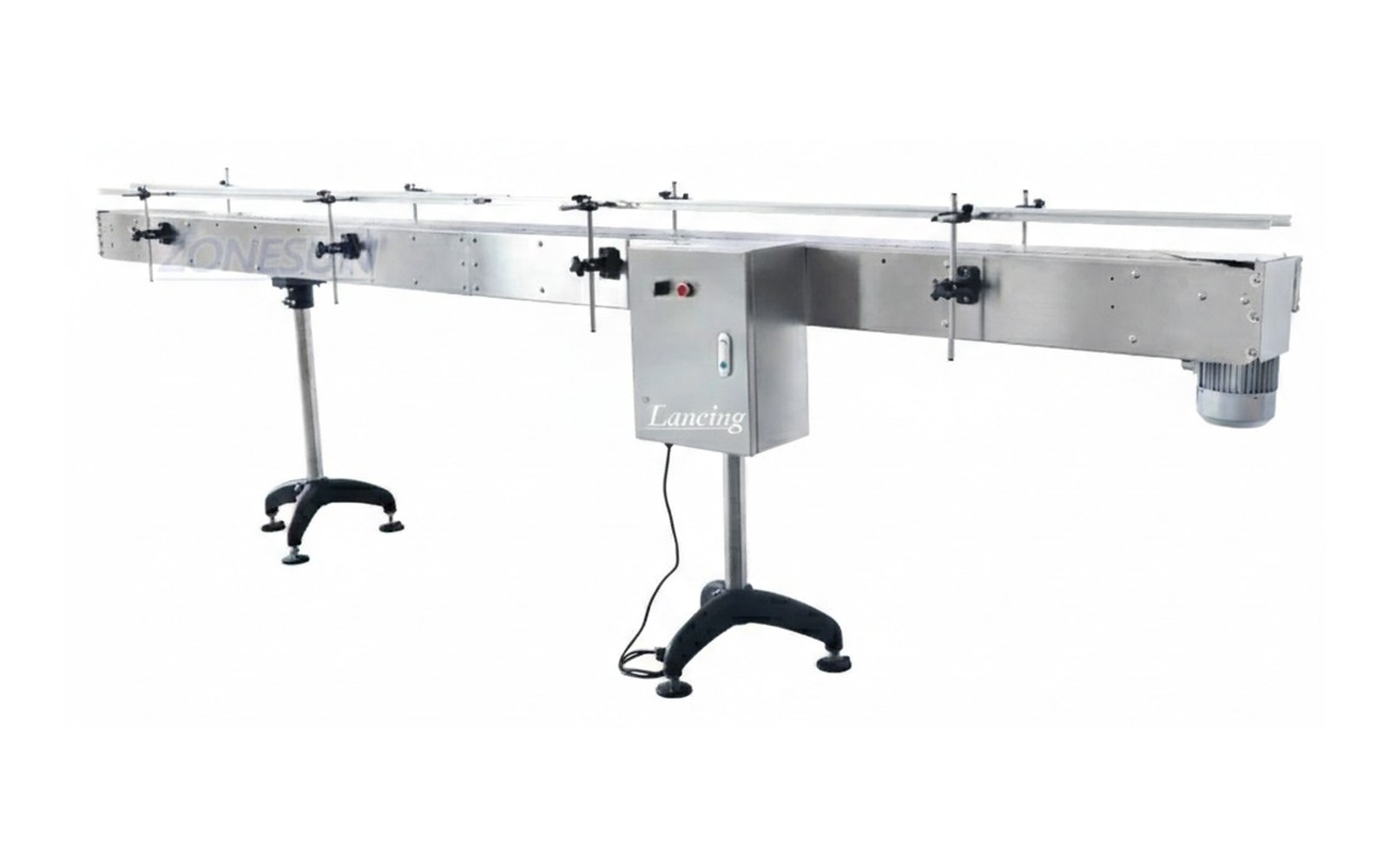
 General transfer
Belt conveyors
Clean, practical movement for cartons, bottles, tubs, trays and stable packaged goods.
View conveyor type →Browse conveyor systems for line linking, infeed, outfeed, accumulation, elevation changes, curves and machine-to-machine transfer across packaging lines.
Choose the conveyor route closest to your line, then check how it will handle your product, transfer points, available footprint and connected packaging equipment.
General transfer
Clean, practical movement for cartons, bottles, tubs, trays and stable packaged goods.
View conveyor type →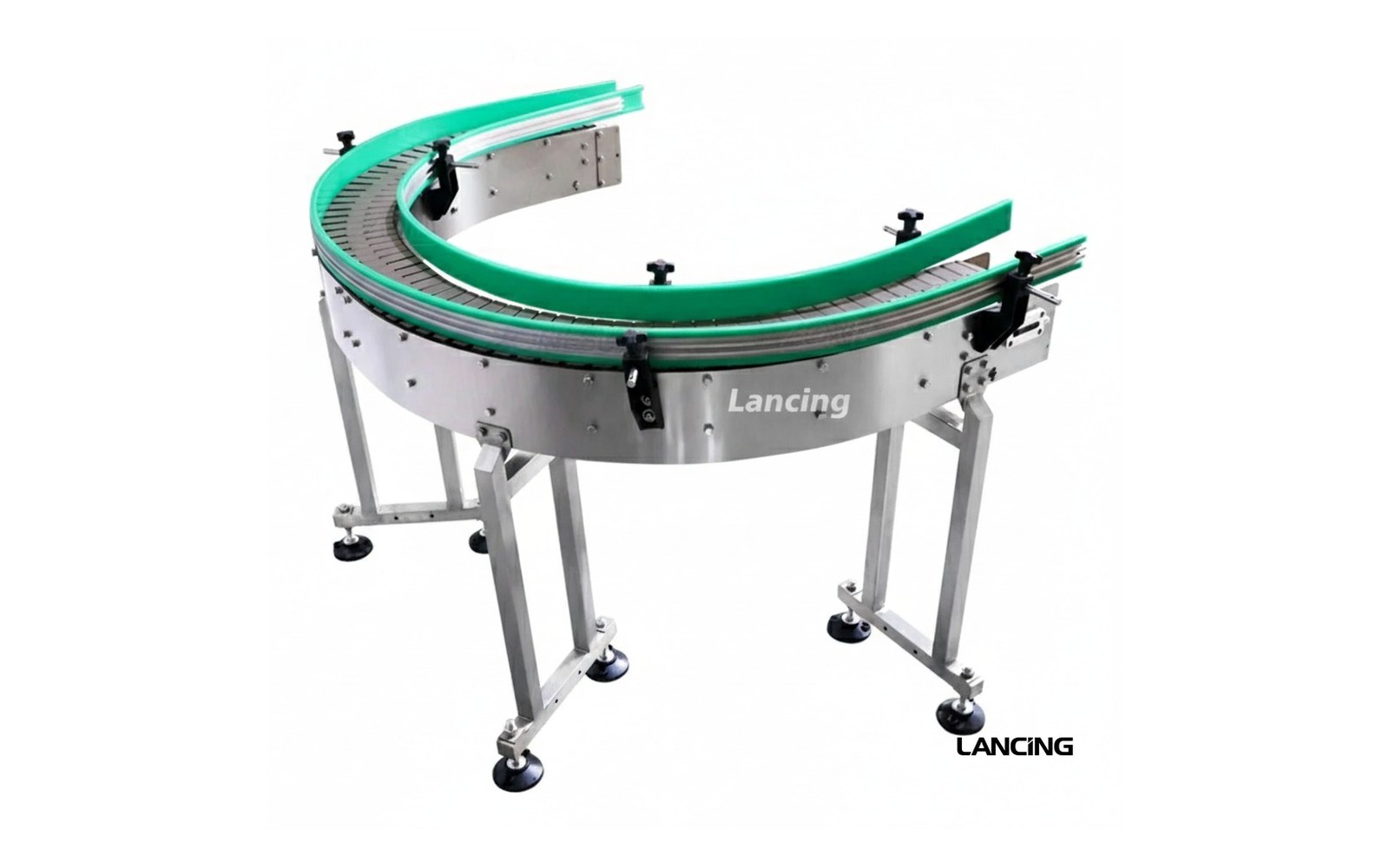 Bottle lines
Stable inline handling for bottles, jars and containers moving through filling, capping and labelling.
View conveyor type →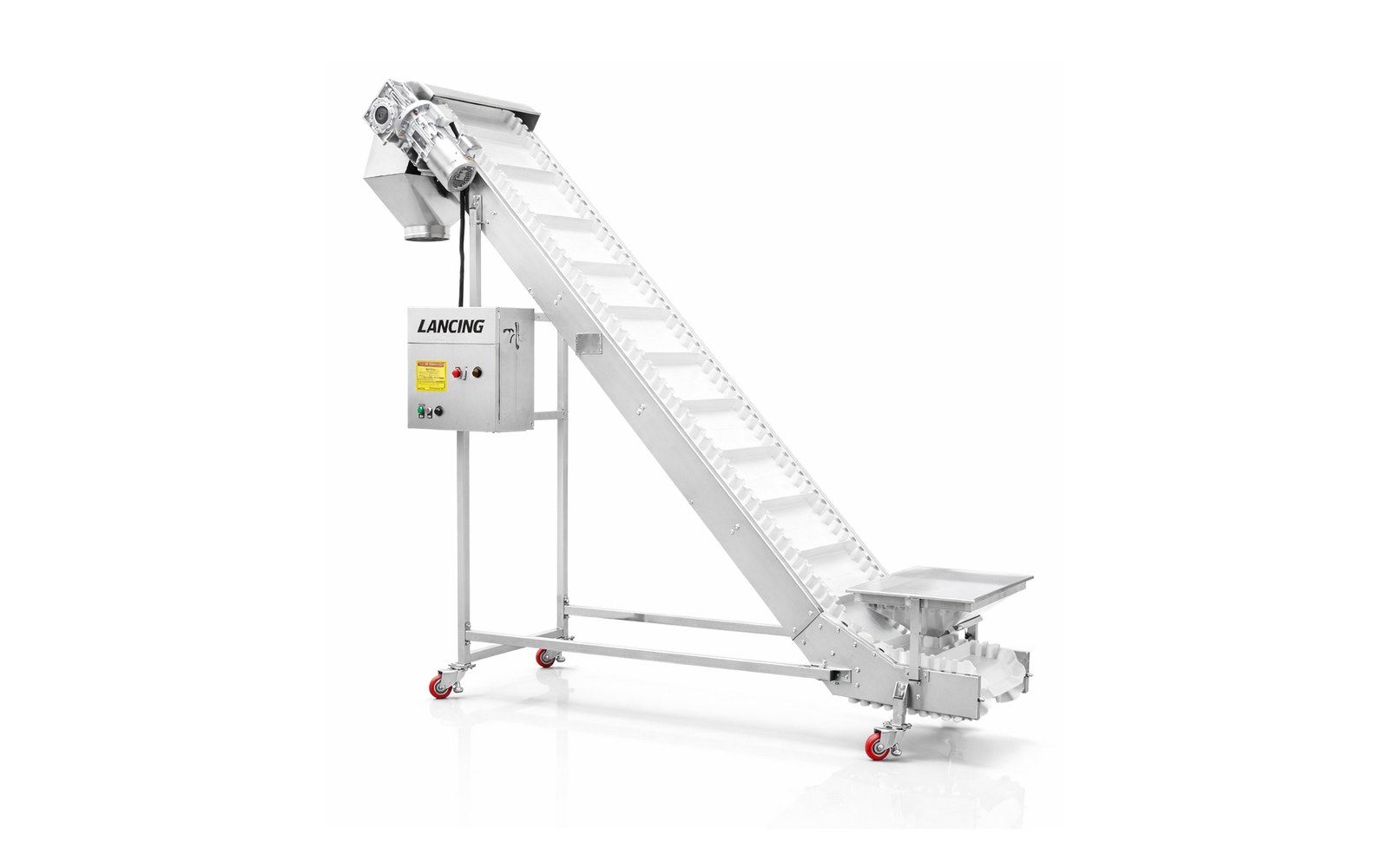 Elevation changes
Move packs between levels with belts, cleats, grip surfaces and layout support for safe transfer.
View conveyor type →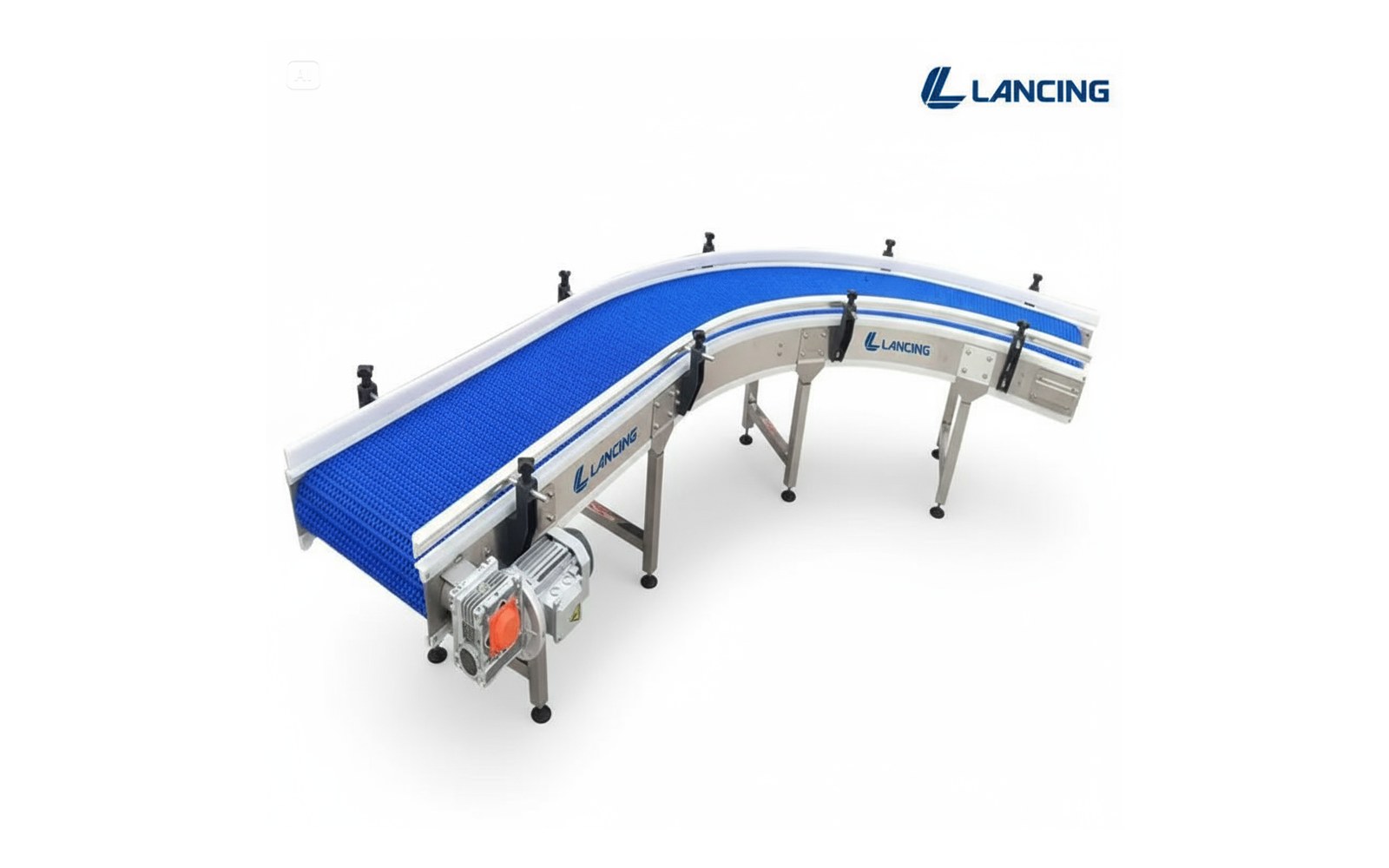 Space saving
Turn production flow through 45°, 90° or 180° routes while protecting pack spacing and orientation.
View conveyor type →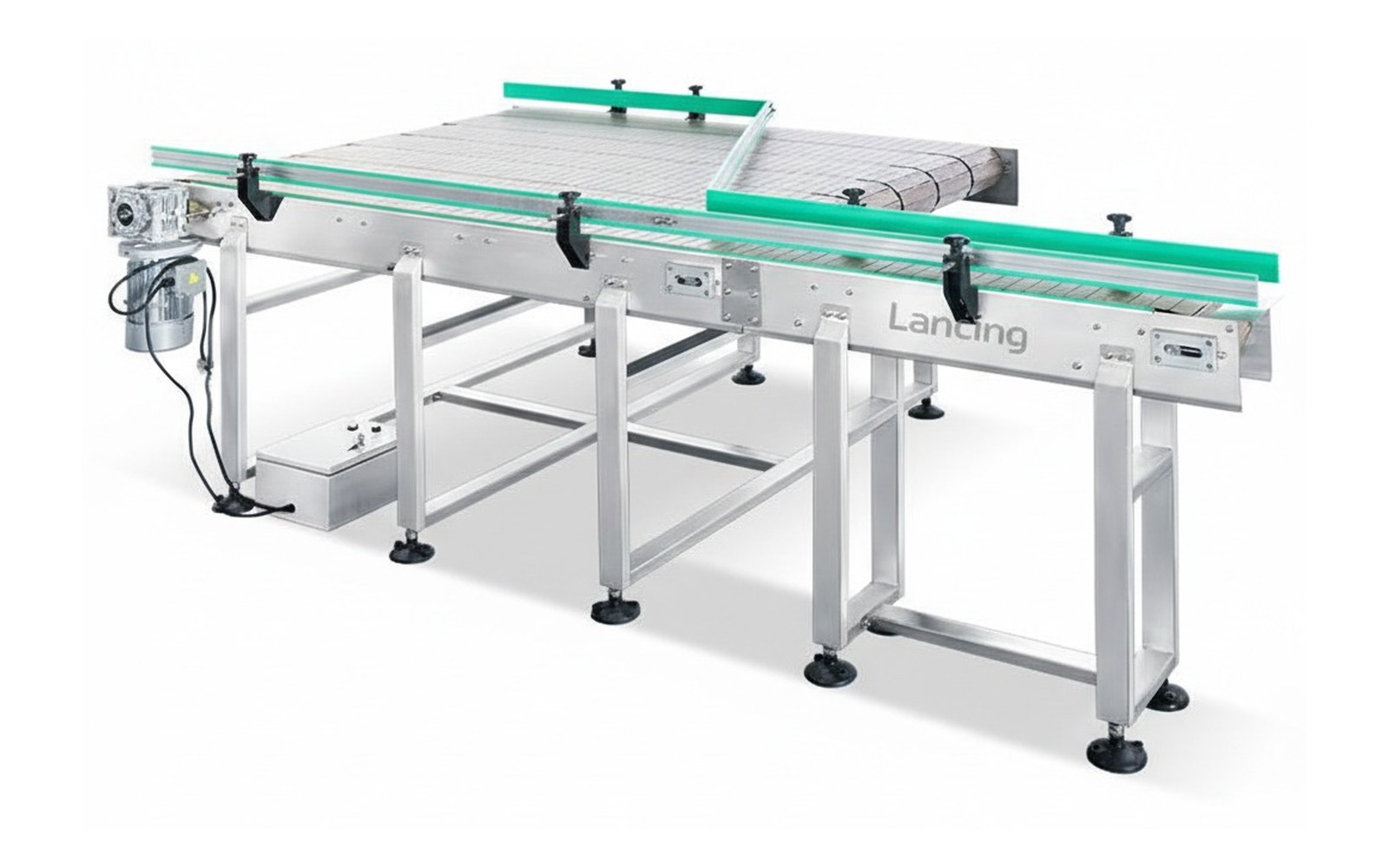 Machine interfaces
Connect fillers, cappers, labellers, coders, inspection systems and end-of-line packing equipment.
View conveyor type →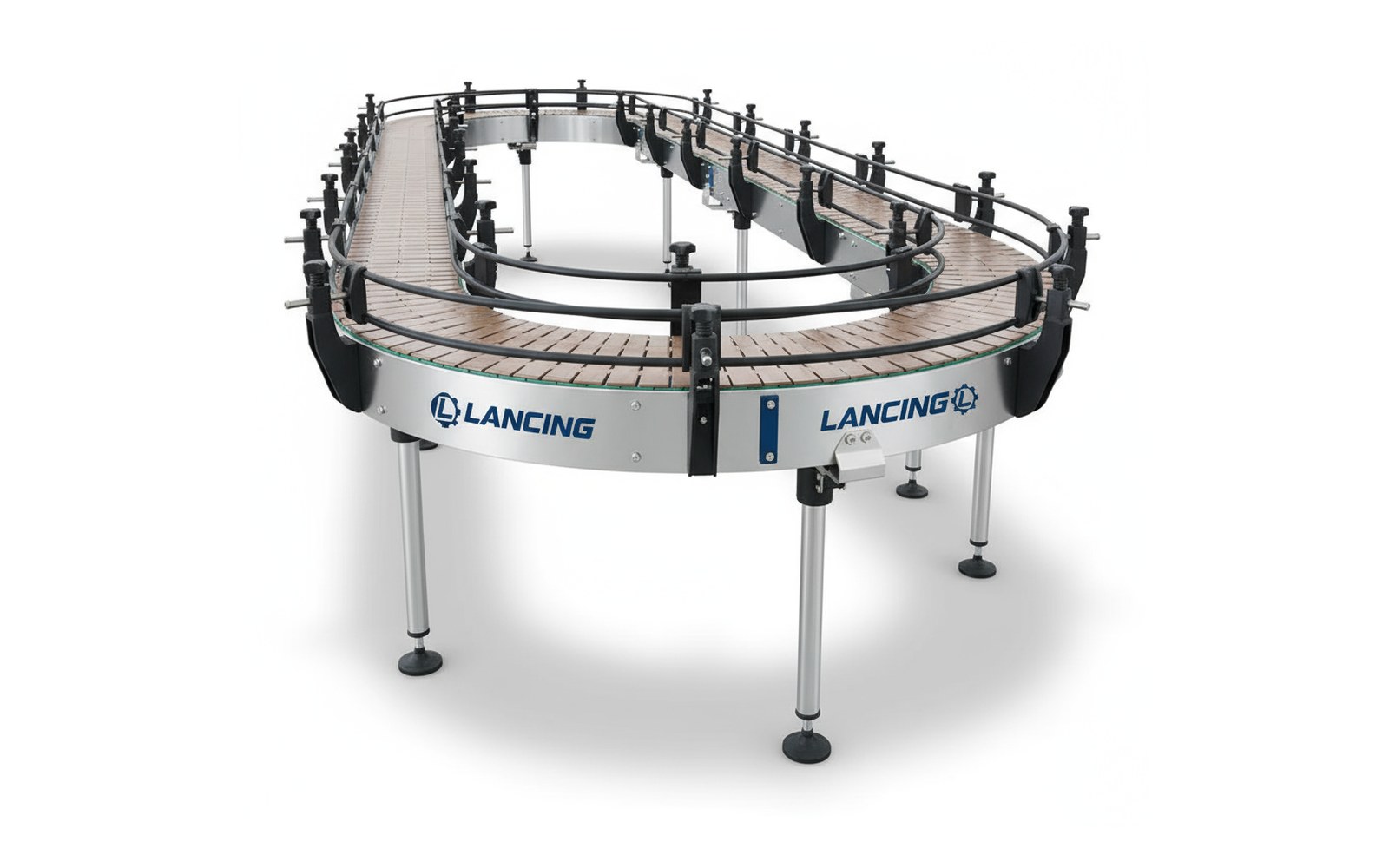 Buffering
Create controlled buffer zones where machines run at different speeds or short stoppages occur.
View conveyor type →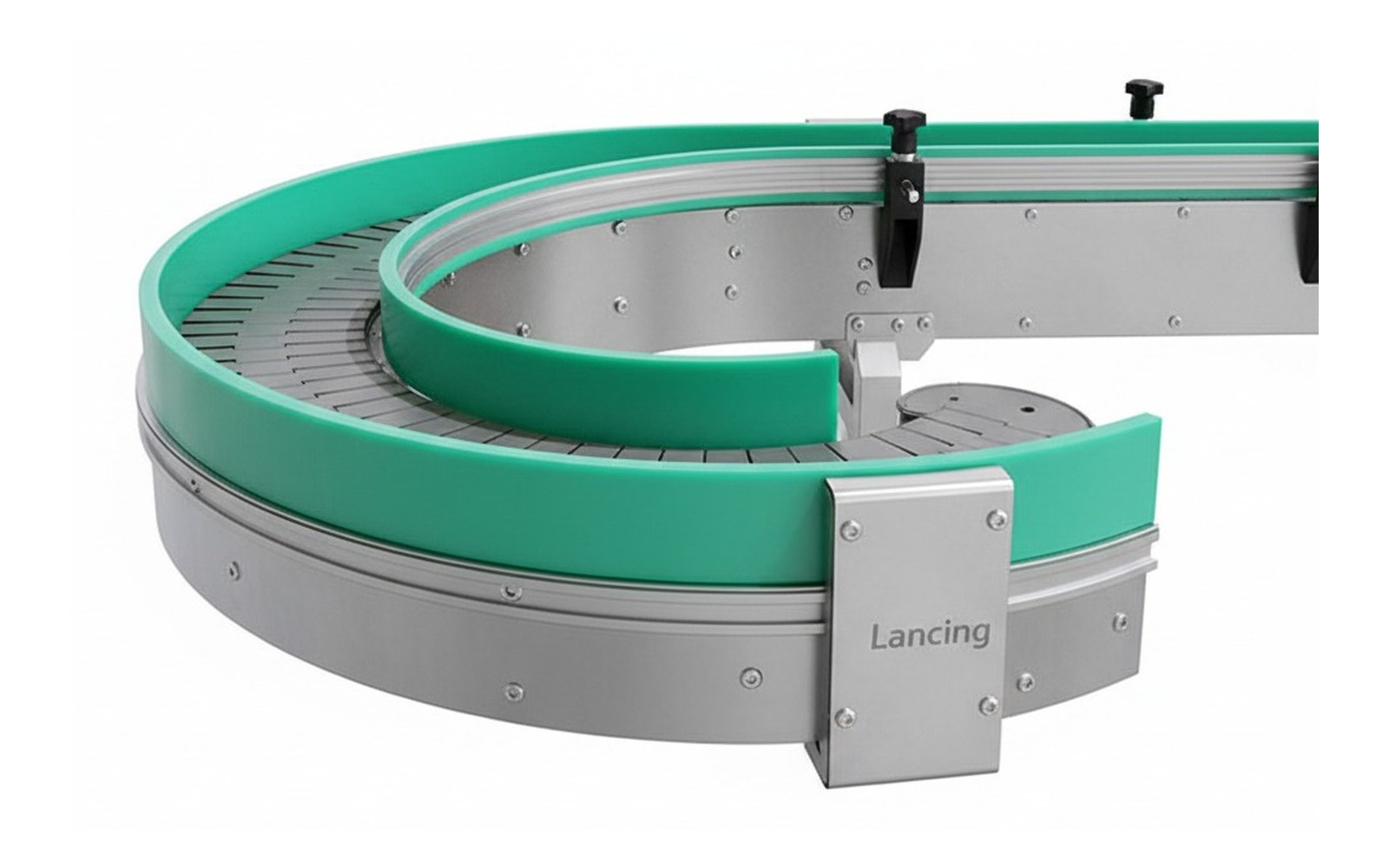 Feed or collect
Compact feed, collection and accumulation tables for bottles, jars, pots and other small containers.
View conveyor type →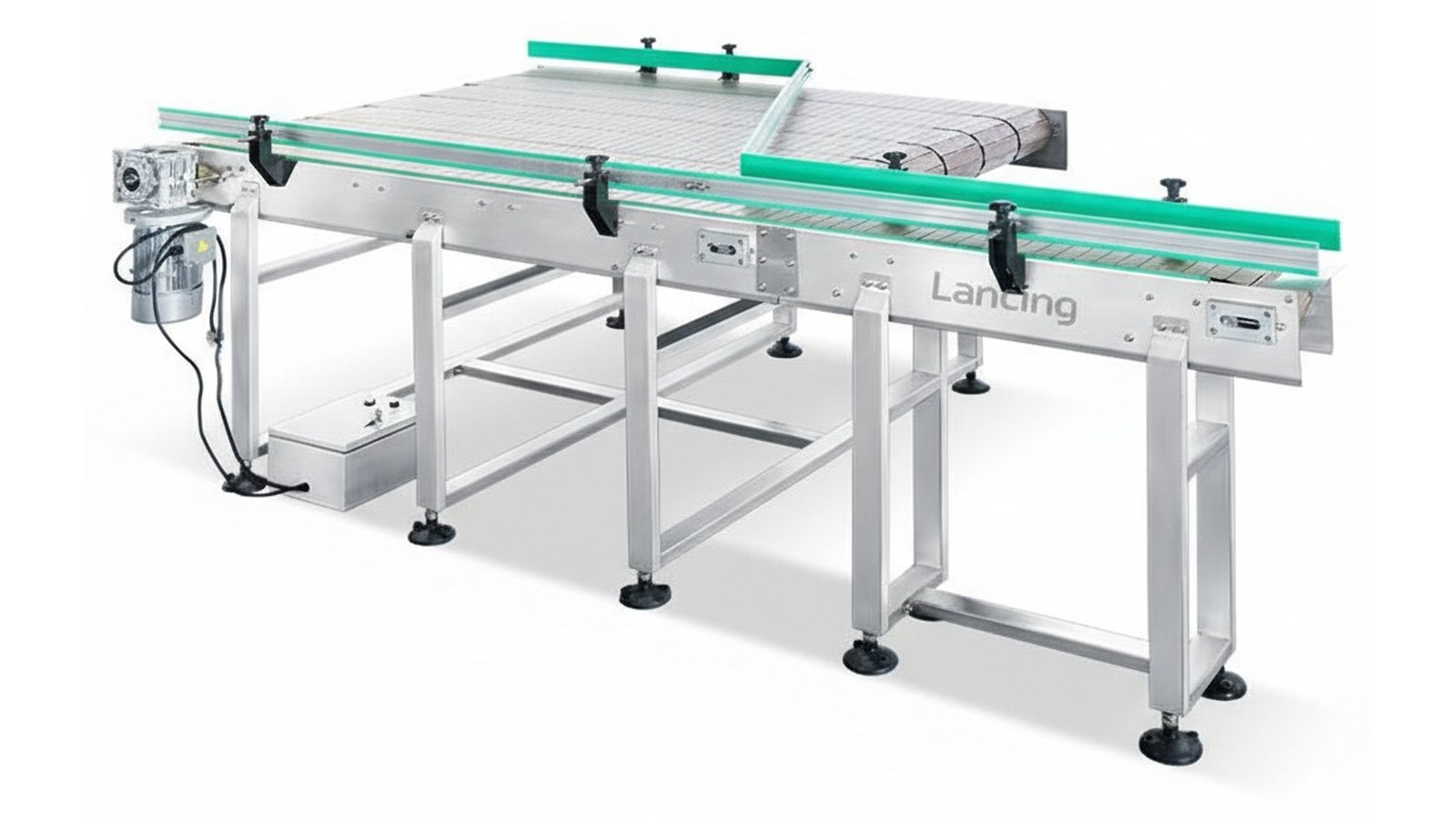 Line planning
Plan conveyors around machine heights, controls, access, guarding and future product changeovers.
View support →The correct conveyor depends on more than length and width. Pack stability, base shape, side guides, belt surface, incline angle, washdown needs, accumulation, operator access and the timing of adjacent packaging machines all influence the specification.
Clear answers for choosing conveyor options, planning a line layout and preparing quote details.
Start with the product or container, then check stability, spacing, transfer points, elevation changes, footprint, accumulation and integration with neighbouring machines.
Belt conveyors suit many stable packs and cartons. Slat chain conveyors are often selected for bottles and containers on filling, capping and labelling lines where guide rails and transfer control are important.
Yes. A conveyor layout can be planned around existing machines, heights, access points, operator routes and future expansion requirements.
Send your product details, line speed and available space to get advice on the conveyor route that fits your packaging line.
A conveyor family name is only the start of the specification. The useful design brief records what must be moved, where it enters and leaves, how quickly neighbouring machines can accept it, and what must happen during a stop. These details decide whether a belt, slat chain, side-grip, incline, curve, rotary table or accumulation route is technically appropriate.
Packaging Conveyors UK focuses on conveyors as part of filling, capping, labelling, coding, inspection and packing processes. General roller, warehouse and materials-handling applications are better compared through Powered Conveyors UK, while complete line scope is covered by Packaging Lines UK.
Product requirements include base support, stability, weight, friction, temperature, moisture, contamination risk and allowable contact. Interface requirements include working height, transfer gap, product pitch, start/stop logic, reject handling and access around the connected machinery. A conveyor can satisfy one set and still fail the other, so both must be reviewed together.
For example, a belt can support a soft pouch well but may not create the pitch required by a printer. A slat chain can guide bottles through a curve but may allow too much pressure if the downstream machine blocks. An accumulation table can add capacity but only if the product remains stable and the control logic releases it cleanly.
The schedule does not need guessed figures. Mark any unknown value for confirmation by measurement or trial. This is more useful than accepting a catalogue description that omits the actual working height, usable width, load case, speed range, drive location or environmental duty.
Use the detailed pages for belt conveyors, slat chain conveyors, machine infeed and outfeed, accumulation and rotary tables after the duty is defined.
| Field | What to record | How it is confirmed |
|---|---|---|
| Length, usable width and working height | Installed route, product-support width and agreed transfer datum. | Measured layout and machine-interface drawings. |
| Product and load case | Pack range, unit weight, contact area and maximum simultaneous load. | Representative samples and worst-case operating condition. |
| Line speed | Required good output, product pitch and speed range at each interface. | Production requirement plus neighbouring-machine data. |
| Motor and drive | Drive position, control method, torque duty, access and electrical supply. | Layout, control philosophy and supplier selection. |
| Frame and contact materials | Environmental, cleaning and product-contact requirements. | Site cleaning method and material-compatibility review. |
| Belt, slat or chain | Support surface, grip, transfer behaviour, wear and cleaning need. | Product trial and maintenance review. |
| Side guides and changeover | Rail height, contact points, adjustment range and repeatability. | Smallest and largest formats plus operator review. |
| Controls and sensors | VFD, photoeyes, permissives, blocked-line response, alarms and rejects. | Interface schedule agreed by responsible controls parties. |
| Ingress protection and guarding | Exposure to water, dust, chemicals and access to moving parts. | Site risk and environmental assessment; rating selected for the actual duty. |
The drawing should show the product path and the machine envelopes, not only the conveyor centreline. Include drive and tensioning access, removable guards, sensor positions, reject collection, cleaning clearance, operator routes and the space required to remove belts, chains or wear parts.
A line-interface schedule should state what happens when the upstream machine is ready but the downstream machine is stopped, when a product blocks a photoeye, when a reject container is full and when an emergency stop is operated. The schedule should also identify which supplier provides each cable, guard, support, control signal and final test.
These answers define the evidence needed for a reliable specification and quotation.
A catalogue speed does not define product pitch, transfer stability, machine response, accumulation or good output. The usable speed range must be checked with the real pack and the connected machinery.
The rating should follow the actual exposure to water, dust, cleaning chemicals and the site electrical standard. It should be agreed from the environmental and cleaning brief rather than assumed from the industry name alone.
Belt, slat-chain, incline, curved, infeed, outfeed, accumulation and rotary-table systems each solve different handling duties. Side-grip conveying is another option where the base must remain accessible or the product needs controlled support through a specific section.
Continuous base support is often the starting point for stable packs. Guided chains can suit upright bottles and jars, while dedicated infeed or outfeed zones manage machine timing and sensing. Side-grip handling should be considered only after the container contact zone, surface finish, rigidity and transfer into and out of the gripped section have been tested.
The final conveyor family must also fit cleaning, maintenance, guarding, controls and restart requirements. A product that runs in steady flow may behave differently when the downstream machine blocks or the line restarts.
Review side-grip conveyors alongside belt, slat-chain and machine-interface conveyors. Use the sample-trial guide before final selection.
A conveyor name is only a starting point. Product support, transfer duty, controls, cleaning and acceptance evidence decide the usable design.
No. Both use linked plastic elements in many packaging applications, but their construction, support surface, hinge geometry, widths, transfer options and curve arrangements can differ. “Modular belt” and “slat chain” should not be treated as interchangeable specification terms. Confirm the actual support surface, product contact, transfer detail, cleaning method and required route with the supplier.
Full-base support becomes critical when the pack is flexible, has a small or irregular footprint, can sag into a gap or must retain a flat datum for downstream processing. Side guidance controls lateral position but cannot correct an unsupported base. Review the smallest footprint and every transfer first; then use guides only to control the movement that remains.
Length and width do not define belt or chain construction, transfer geometry, frame alignment, drive position, speed range, guide layout, support stiffness, sensing, controls or the response to a blocked outfeed. Two nominally similar conveyors can therefore behave very differently with the same product. Compare the complete duty, interfaces and acceptance test rather than the headline dimensions alone.
Freeze the approved layout, working heights, usable product width, direction of flow, limiting formats, transfer datums, drive position, control interfaces, guarding boundaries, access requirements and acceptance conditions. Items that remain open should be recorded with an owner and closing evidence. Fabrication should not begin from assumptions that will later move a machine interface or restrict maintenance.
A mechanically suitable conveyor can still create production risk if a clear bottle is not detected, a quality reject is not confirmed or the drive cannot be accessed without moving another machine. These requirements influence straight lengths, guide positions, product pitch, control zones, guarding and the space around the conveyor.
Use the product-detection sensor guide when signals trigger coding, inspection, counting or machine release. Use the reject-handling guide where a checkweigher or inspection system must remove and confirm non-conforming product. Use the critical-spares guide to review service access and the released component schedule.
Continuous belt and slat conveying cover many packaging duties, but some operations need a deliberate position, a controlled lane decision or a stable external carrier.
Define the index distance, dwell, product support, station confirmation and upstream queue behaviour.
Control several incoming or outgoing product streams without losing pitch, orientation or destination tracking.
Give unstable bottles a repeatable footprint through multiple machines, then return and recirculate the empty carriers.