 Solution
Packaging conveyor systems for UK production lines
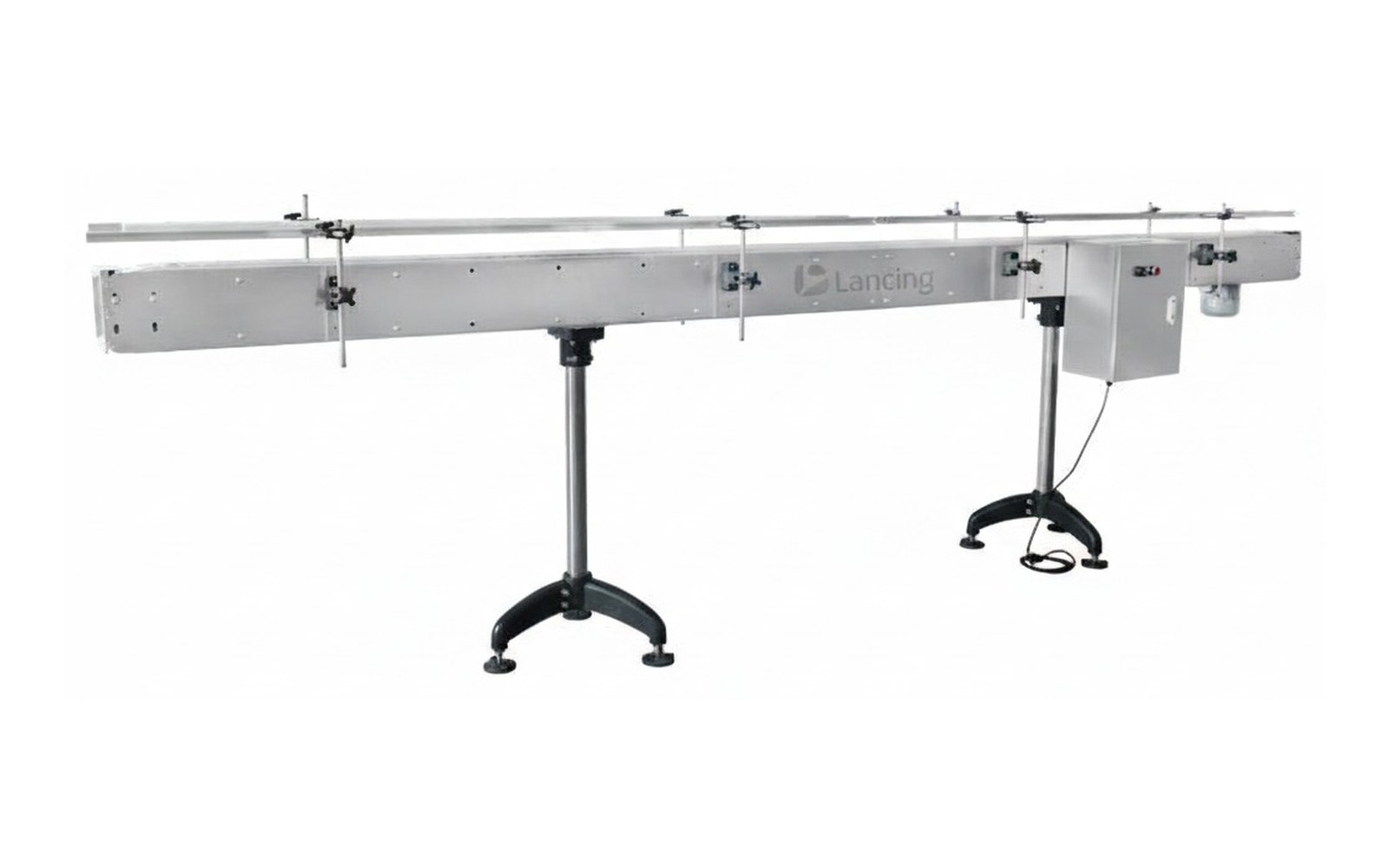
Packaging conveyor systems for UK filling, capping, labelling and packing lines. Compare belt, slat, incline, curved, infeed and accumulation conveyors.
View solution →Find practical conveyor guidance by product route, machine stage, application and layout issue. These pages help you prepare a clearer enquiry before asking for a conveyor quote.
Start with the product you run or the machine stage where the conveyor is needed.
SolutionPackaging conveyor systems for UK filling, capping, labelling and packing lines. Compare belt, slat, incline, curved, infeed and accumulation conveyors.
View solution →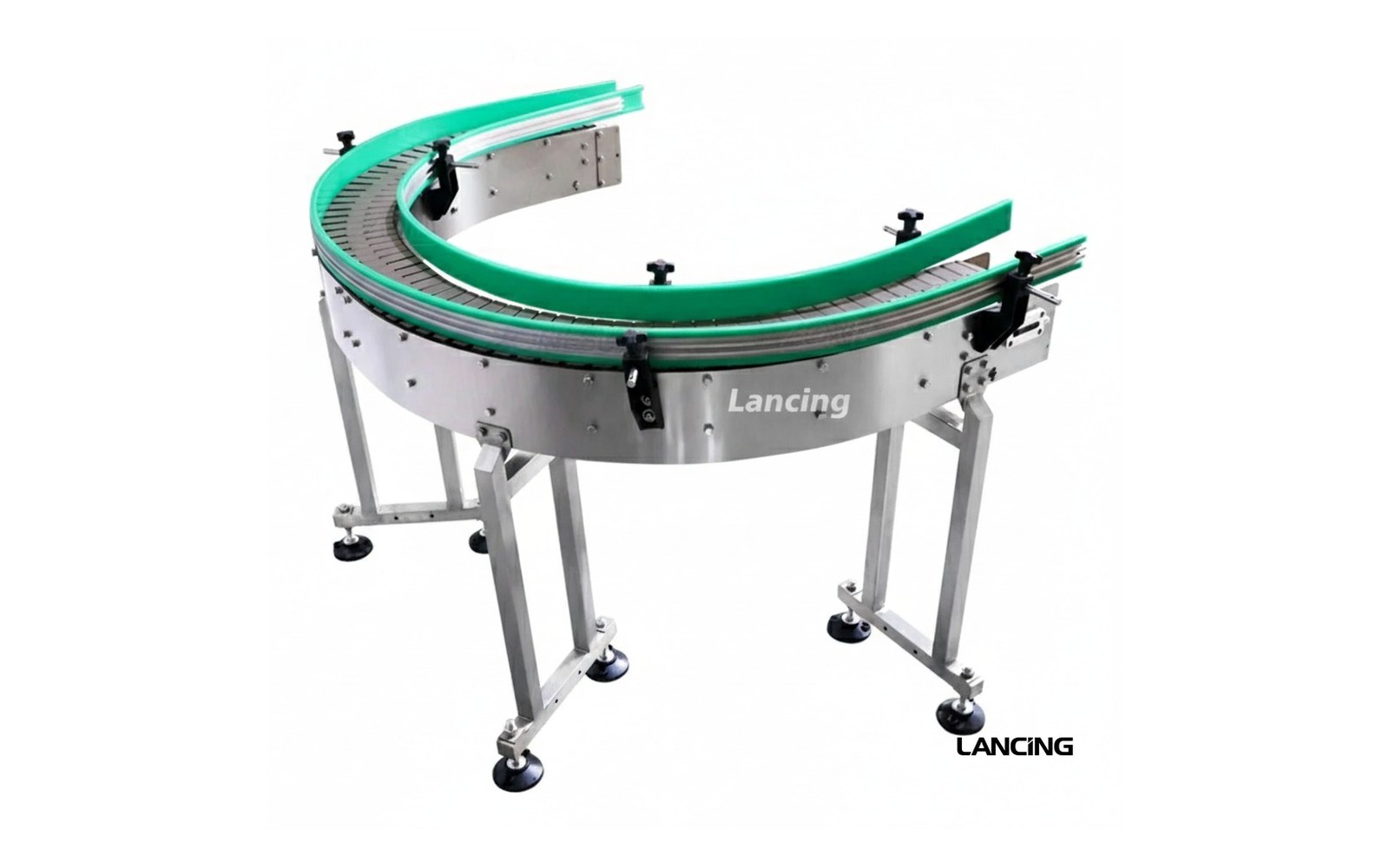 Solution
Bottle conveyor systems for UK filling, capping, labelling and accumulation lines. Get advice on slat chain conveyors, guide rails, transfers and bottle handling.
View solution →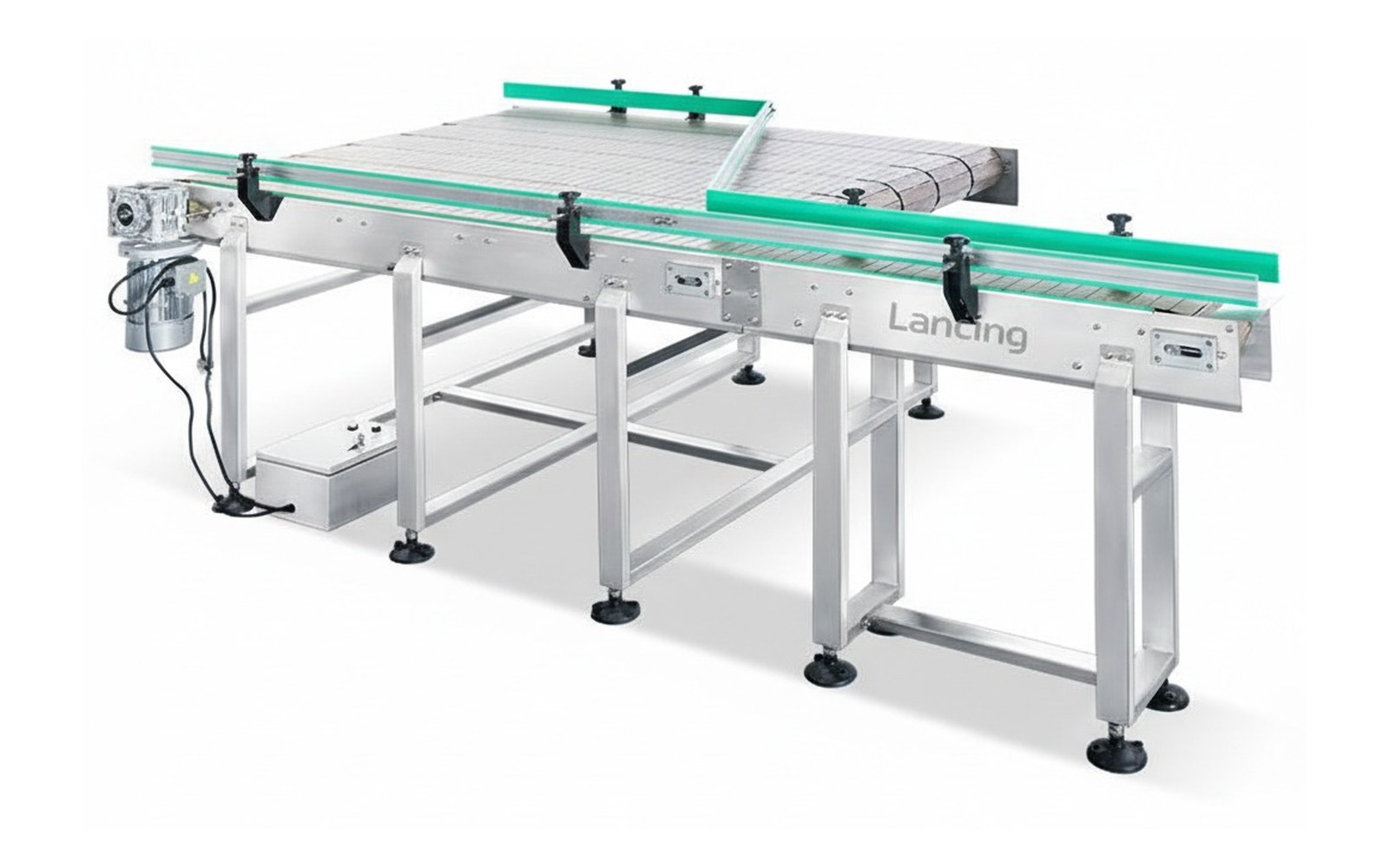 Solution
Filling line conveyors for bottles, jars, tubs and containers. Plan infeed, outfeed, transfer and accumulation conveyors for UK packaging lines.
View solution →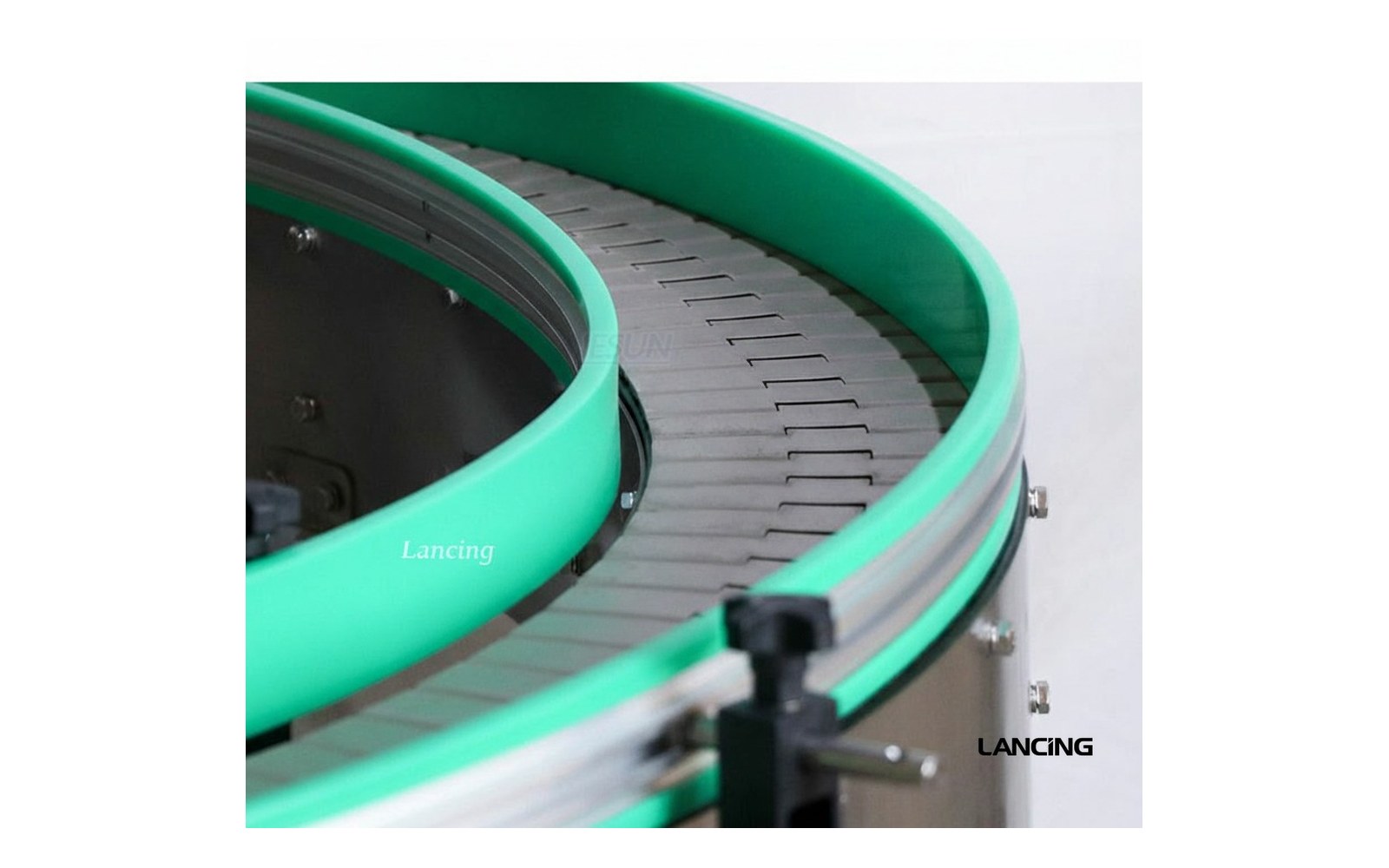 Solution
Capping line conveyors for UK bottle and container packaging. Plan stable infeed, outfeed, transfers and accumulation around automatic capping machines.
View solution →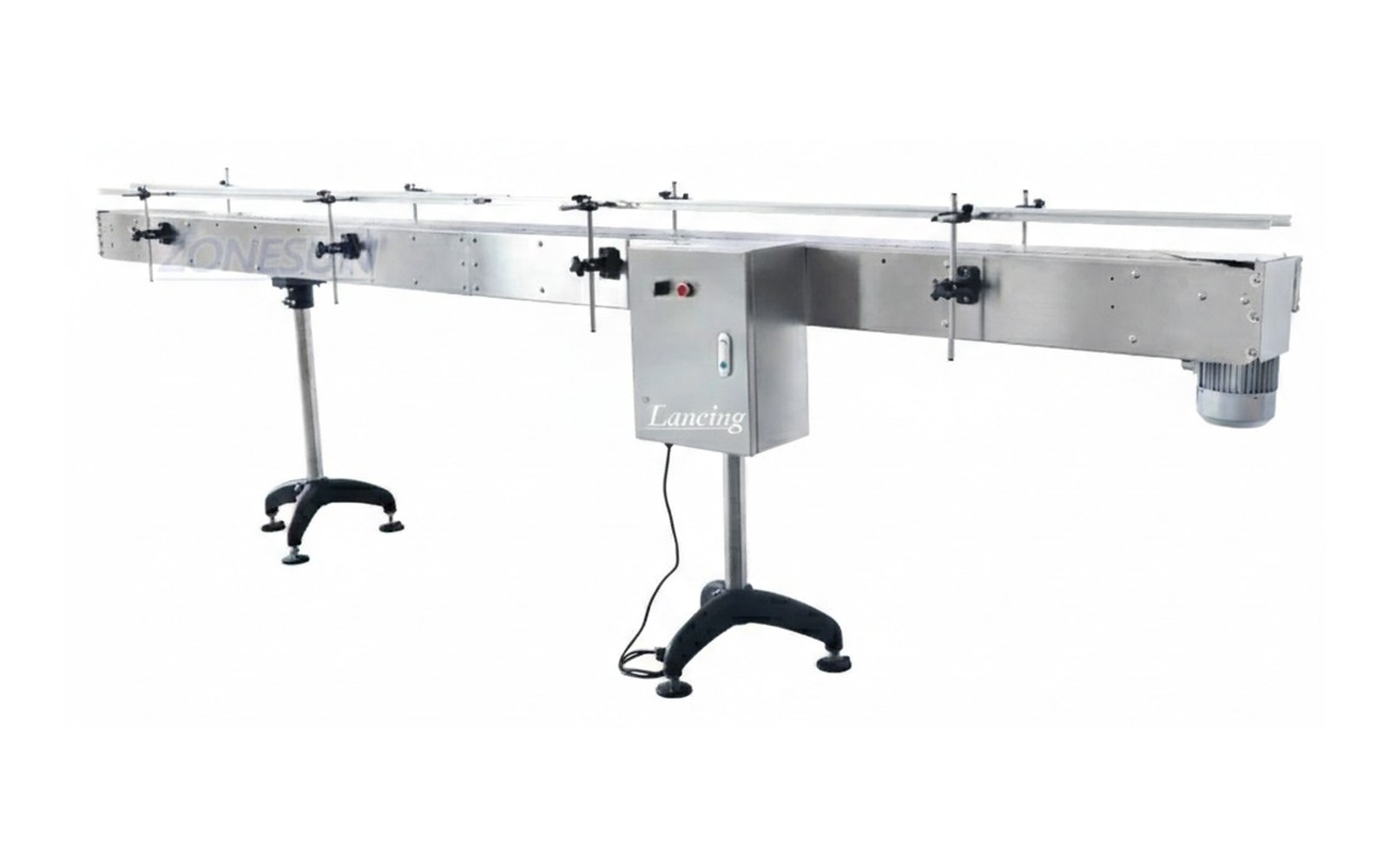 Solution
Labelling line conveyors for bottles, jars, tubs and packs. Plan stable product transfer, spacing, side guides and integration with UK labelling machines.
View solution →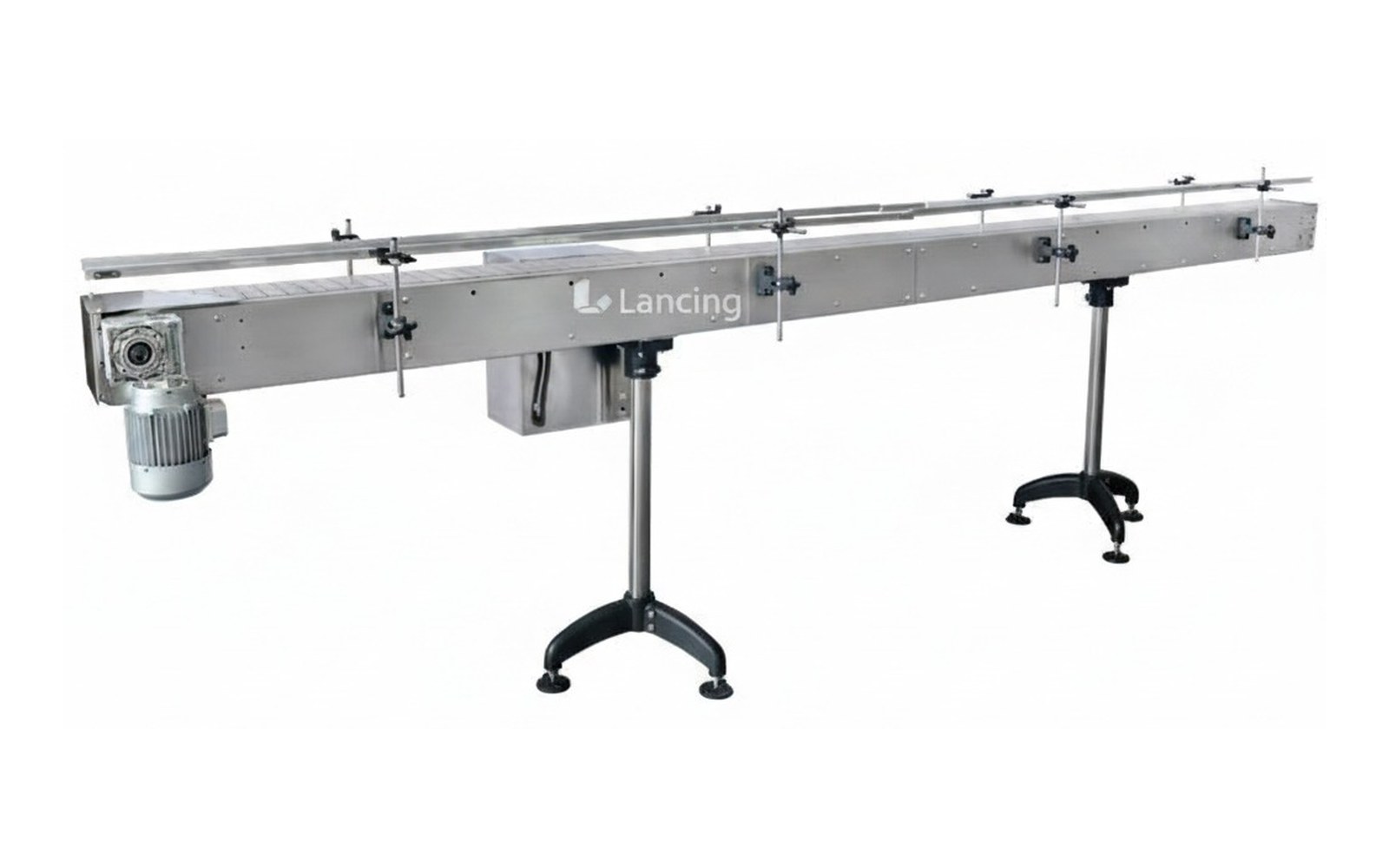 Solution
End-of-line conveyor systems for UK packaging lines. Move products from filling, capping, labelling or coding into packing, accumulation and dispatch preparation.
View solution →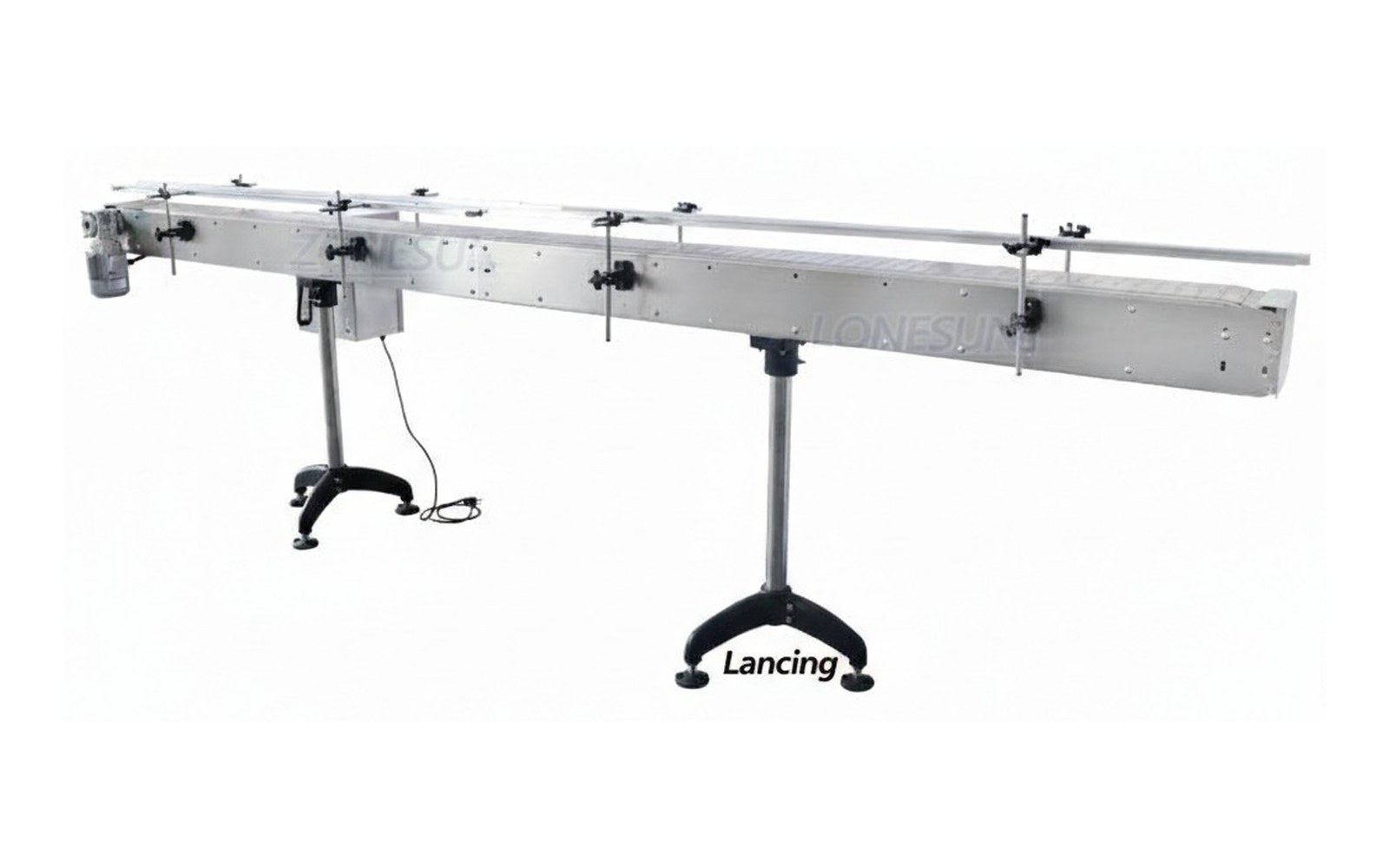 Solution
Food packaging conveyors for UK jars, tubs, trays, bottles and containers. Plan hygienic, practical conveyor routes for filling, sealing, labelling and packing.
View solution →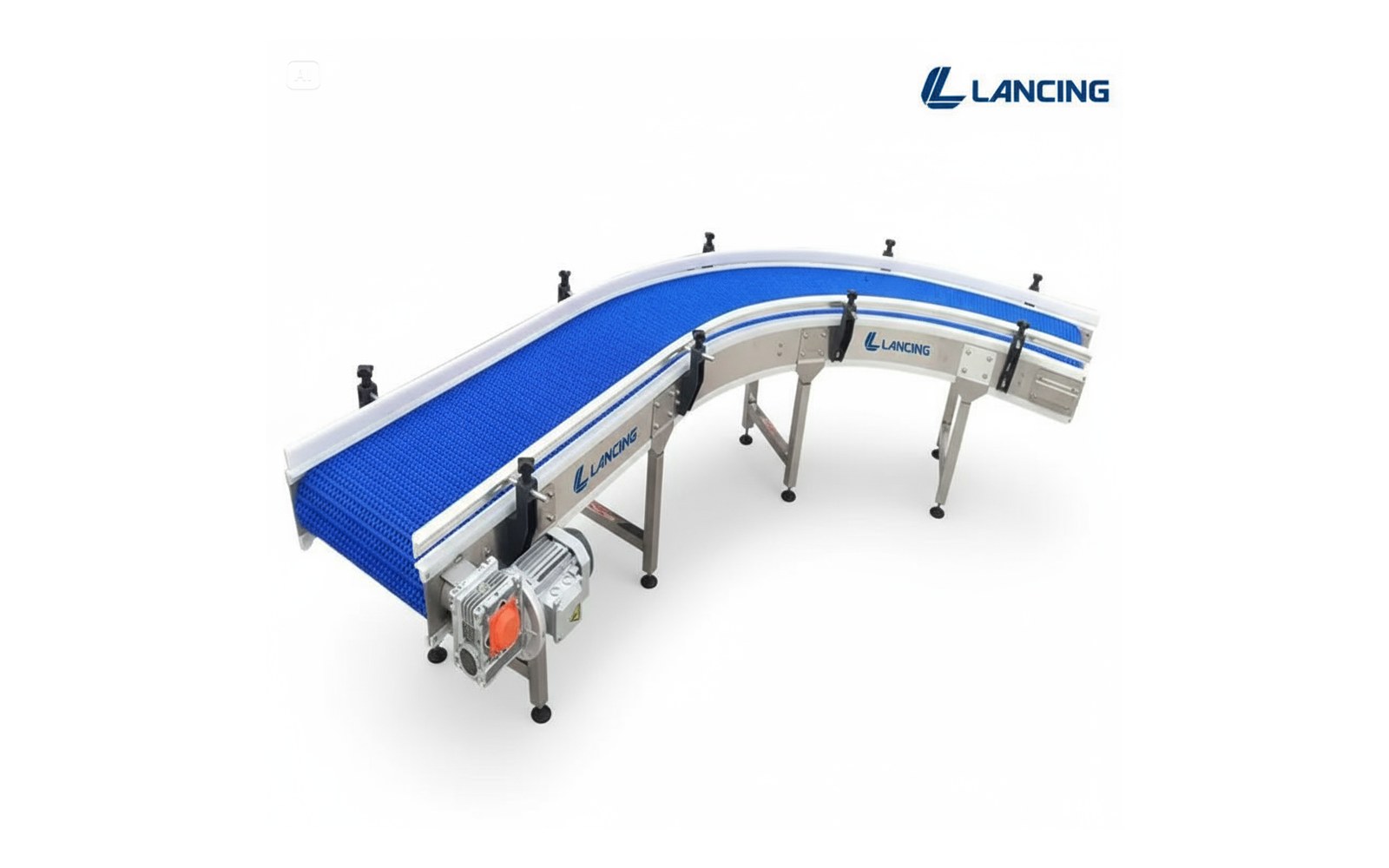 Solution
Cosmetic and personal care packaging conveyors for bottles, jars, tubs, pump packs and presentation-sensitive products. UK conveyor layout advice and quotes.
View solution →SolutionConveyors for household, chemical and industrial liquid packaging lines. Stable UK conveyor systems for trigger bottles, jerrycans, containers and detergents.
View solution →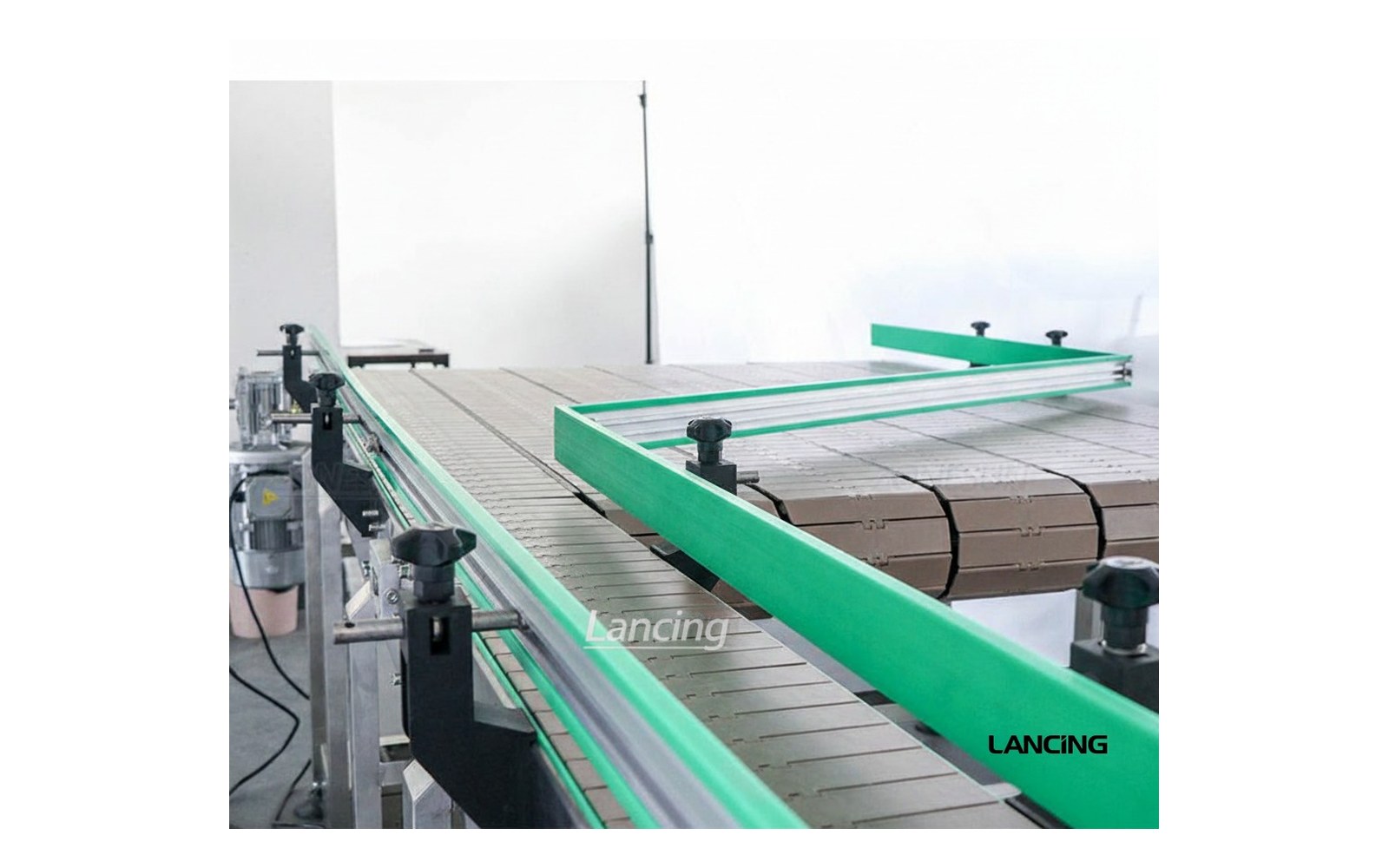 Solution
Contract packing conveyor systems for changing product ranges, short runs and flexible UK packaging line layouts. Get advice on conveyors and accumulation.
View solution →SolutionStainless steel packaging conveyors for UK production lines. Plan practical conveyor routes where cleaning, durability and appearance matter.
View solution →SolutionBespoke packaging conveyors for UK production lines. Get help with custom conveyor layouts, widths, heights, curves, accumulation and machine integration.
View solution →SolutionSmall footprint conveyor layouts for UK packaging lines. Use curved, incline, infeed, outfeed and accumulation conveyors to work around limited space.
View solution →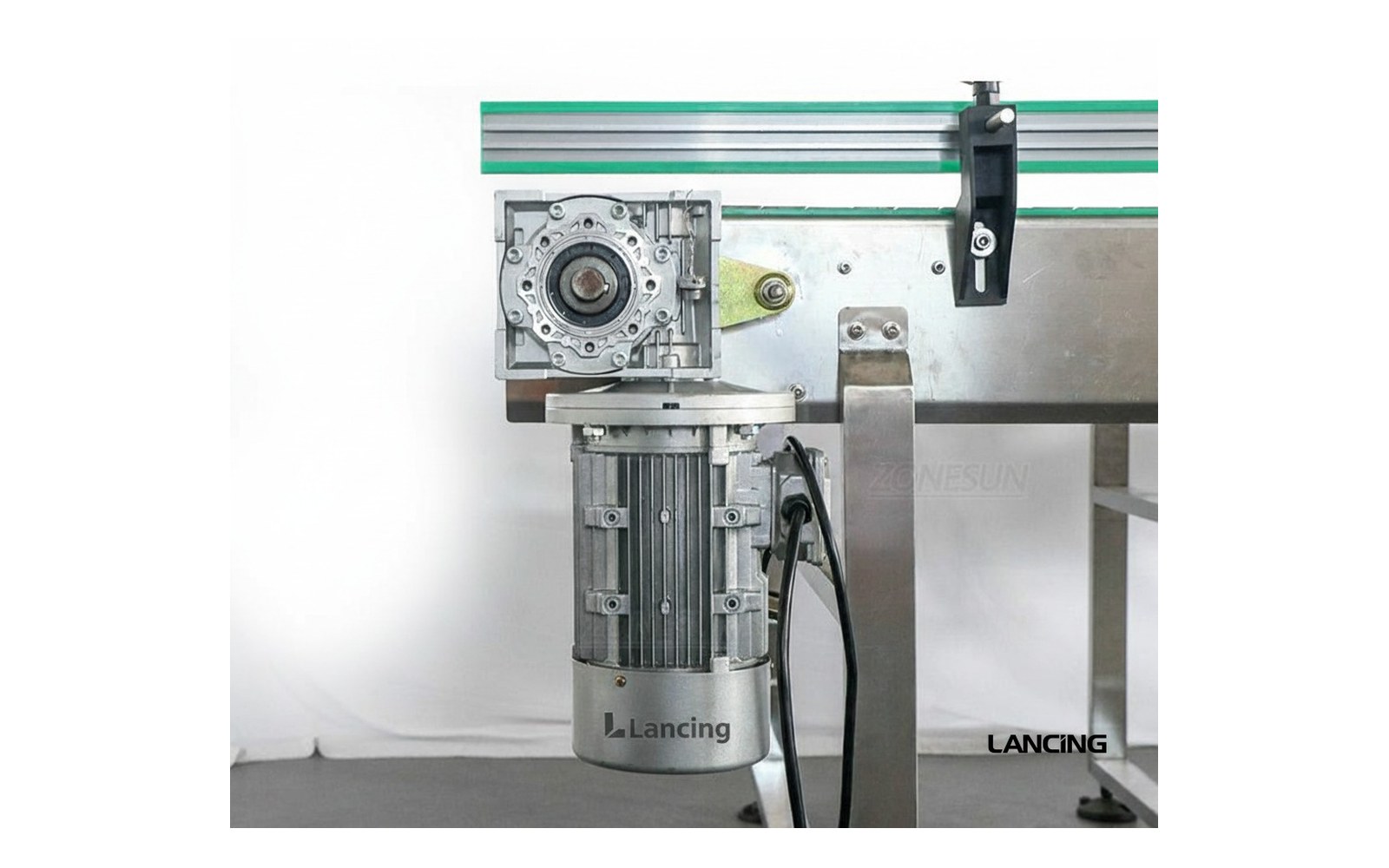 Solution
Packaging conveyor installation and commissioning support for UK production lines. Plan positioning, handover, operator access and machine integration.
View solution →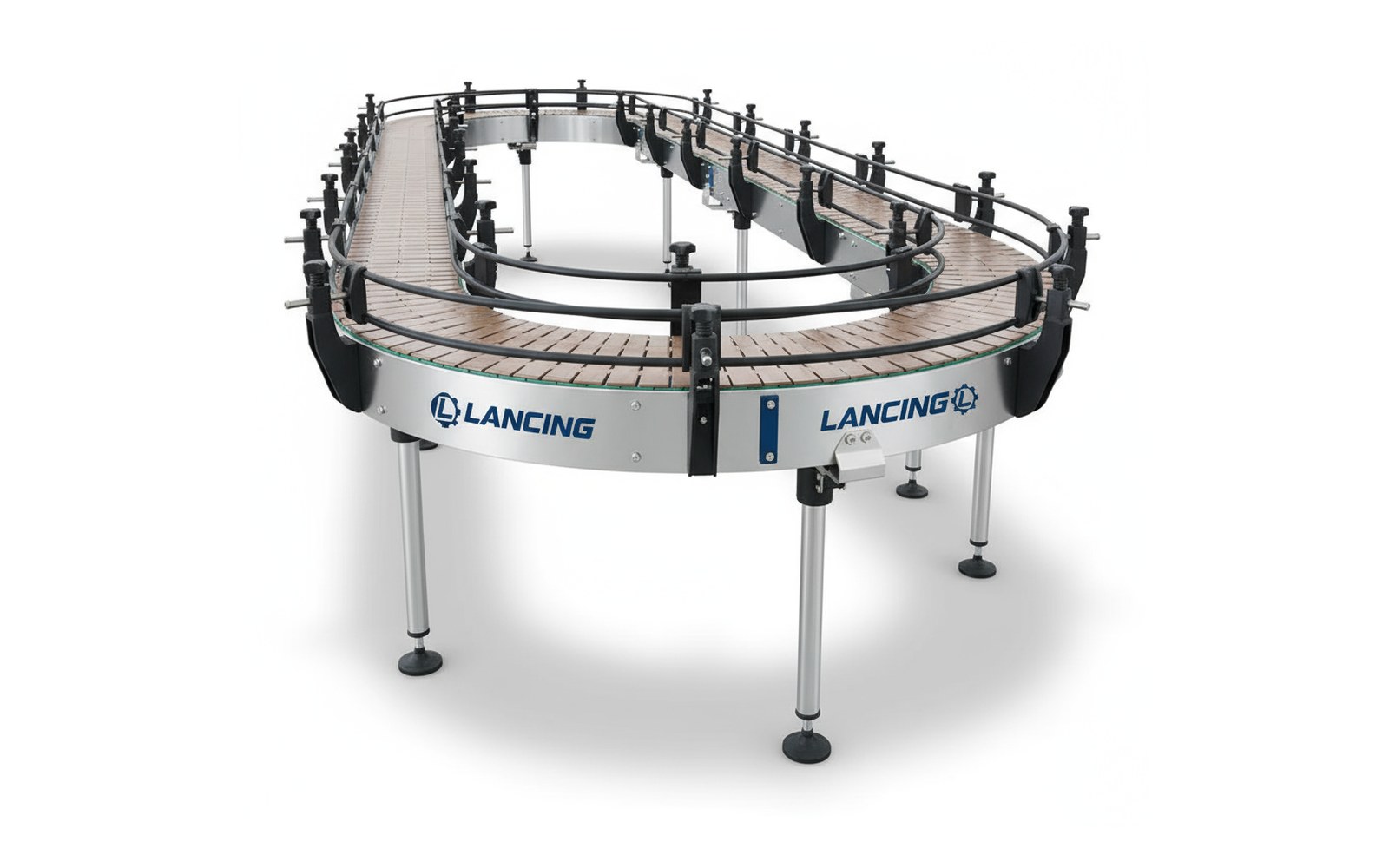 Solution
Accumulation and buffer conveyor systems for UK packaging lines. Reduce stop-start issues between filling, capping, labelling, inspection and packing.
View solution →SolutionPlan packaging conveyor transfer points for stable movement between fillers, cappers, labellers, coders, inspection systems and packing equipment.
View solution →SolutionJar and tub conveyor systems for UK packaging lines. Plan stable handling for filled jars, tubs, pots and containers through filling, labelling and packing.
View solution →SolutionProduction line conveyor layout advice for UK packaging operations. Plan product flow, operator access, accumulation, machine interfaces and future expansion.
View solution →SolutionRequest a UK packaging conveyor quote. Send product dimensions, filled weight, target output, line layout, machine heights and photos for practical advice.
View solution →SolutionConveyor systems for packaging machines including fillers, cappers, labellers, coders, inspection systems and end-of-line packing equipment.
View solution →SolutionModular belt conveyor options for UK packaging lines. Compare belt, modular and slat chain conveyor choices for bottles, cartons, tubs and packs.
View solution →SolutionCoding and inspection conveyors for UK packaging lines. Move bottles, cartons, tubs and packs through printers, vision systems, checks and manual inspection.
View solution →SolutionPackaging conveyor upgrades and replacement conveyors for UK production lines. Replace unreliable conveyors, improve flow and plan better machine interfaces.
View solution →Get practical conveyor advice based on the product, the machines and the layout you need to work with.
The solution pages describe common packaging-line problems, but the final purchase should always return to a core conveyor specification. A broad description such as “bottle conveyor”, “coding conveyor” or “line bottleneck” does not by itself define the belt or chain, dimensions, speed, controls, guarding or acceptance test.
Start with the problem that is limiting production, identify the evidence needed to prove the cause, and then move to the relevant conveyor family or application page. This avoids selecting equipment around a symptom while leaving the transfer, machine or control issue unresolved.
This service focuses on the interface between product handling and packaging processes: feeding machines consistently, controlling transfers, creating buffer time, presenting packs to inspection or coding, and moving finished packs into end-of-line handling. General warehouse, roller and broad materials-handling searches are covered more specifically by Powered Conveyors UK.
Where the project includes the complete filler, capper, labeller, coder, guarding, utilities and production handover, use Packaging Lines UK. Bottle bulk feeding and orientation belongs with Bottle Unscramblers UK, while printer and ink-selection detail belongs with Coding Machinery.
Describe the current failure in observable terms: packs tip at a named transfer, the filler is starved after a defined stop, a checkweigher receives double products, a coder sees variable pitch, or cleaning cannot reach a particular return section. Supply video, samples, layout dimensions and machine states. A specific failure statement gives the design and acceptance test a measurable boundary.
The most relevant next checks are transfer-point engineering, buffer and accumulation, checkweigher integration, coding and inspection, washdown planning and maintenance access.
| Observed problem | First engineering check | Evidence to collect |
|---|---|---|
| Product tips, twists or bridges | Transfer gap, level, guide position, speed change and product support. | Slow-motion video, sample range, dimensions, filled weight and both conveyor speeds. |
| Downstream machine starves after short stops | Available accumulation, release logic and upstream recovery. | Machine-rate data, stoppage duration, product pitch and blocked-line sequence. |
| Inspection or coding is inconsistent | Product spacing, constant presentation, sensor position and reject path. | Actual print or inspection samples, line speed, pitch and interface drawing. |
| Cleaning takes too long or leaves inaccessible areas | Frame access, return path, drainage, removable parts and cleaning method. | Cleaning procedure, chemicals, water exposure and photographs of restricted access. |
| An upgrade does not fit the existing line | As-built survey, machine envelopes, working heights, services and guarding. | Measured drawing, floor levels, photographs, controls list and responsible-party matrix. |
Compare quotations against the same product set, duty, interface list and test sequence. If one supplier includes controls, guarding, installation or transfer modifications and another does not, the prices are not directly comparable. Record exclusions and interface responsibilities in the same schedule as the technical requirements.
Avoid requesting a fixed performance number without defining product condition and test duration. Empty and filled bottles can behave differently; a clean dry carton can behave differently after a production spill; a line can achieve a short peak rate but fail repeated stop-and-restart cycles. The acceptance plan should represent the real operating case.
These answers define the evidence needed for a reliable specification and quotation.
A separate specification is useful when the product behaviour, conveyor duty, machine interface or acceptance test is materially different. Minor naming differences should normally remain within the strongest relevant conveyor or application route.
Use Packaging Conveyors when the key issue is a packaging-machine interface, container presentation, accumulation, inspection, coding or line flow. Use Powered Conveyors for broader warehouse, roller, dispatch or general materials-handling duties.
Use these routes when the product cannot be handled by a straightforward continuous single-lane conveyor.
Stop and hold a product at a controlled station, then release it through an agreed machine sequence.
Combine, divide or singulate product streams before packaging and quality-control machinery.
Carry unstable or shaped bottles inside a reusable holder through several line operations.